
Last updated November 15, 2026
 Wrought iron
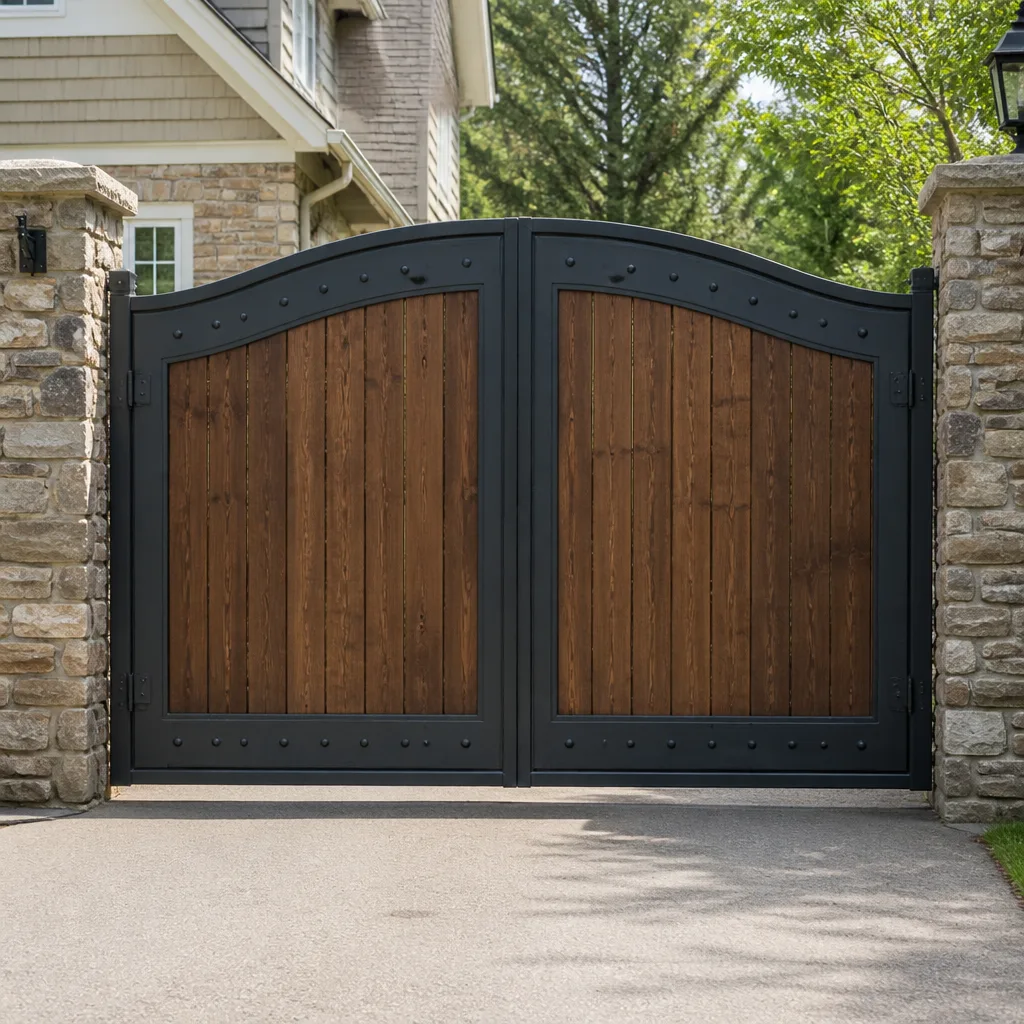 Wood & steel frame
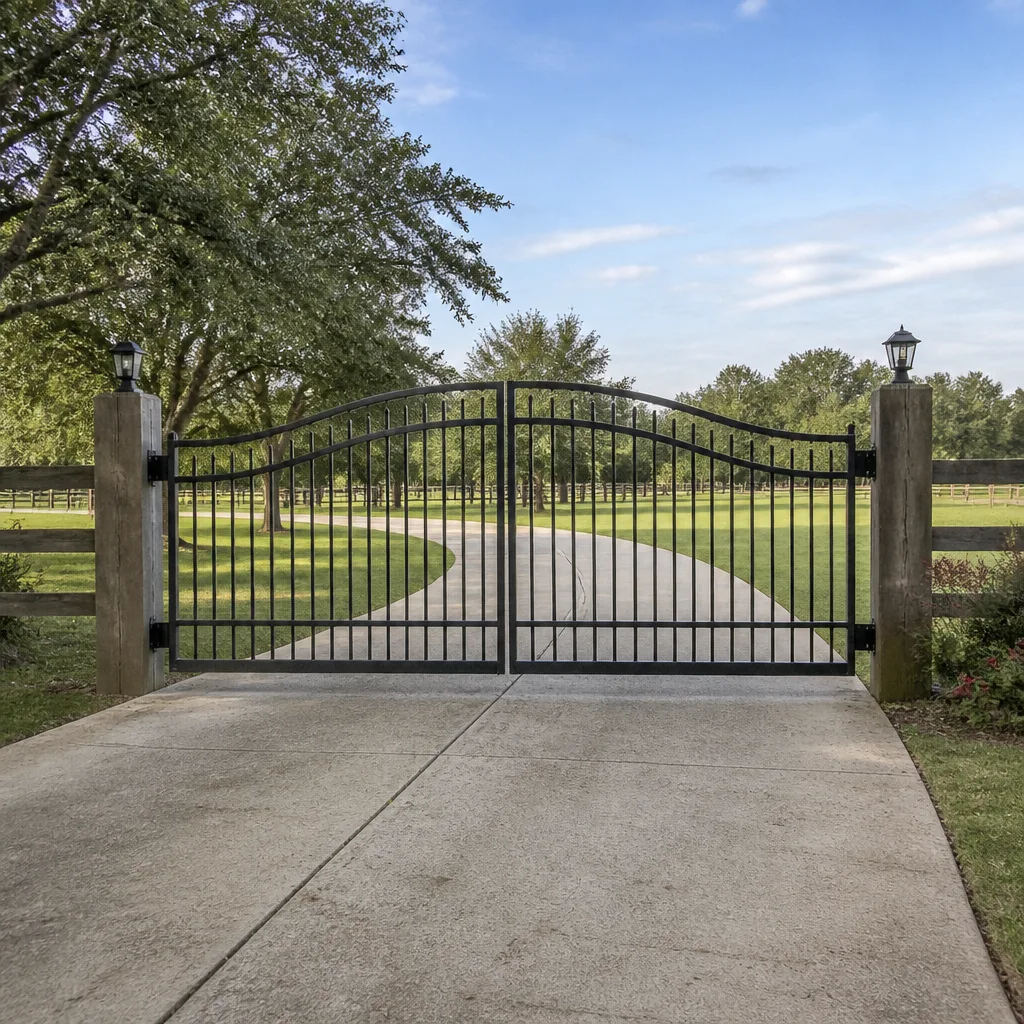 Farm & ranch
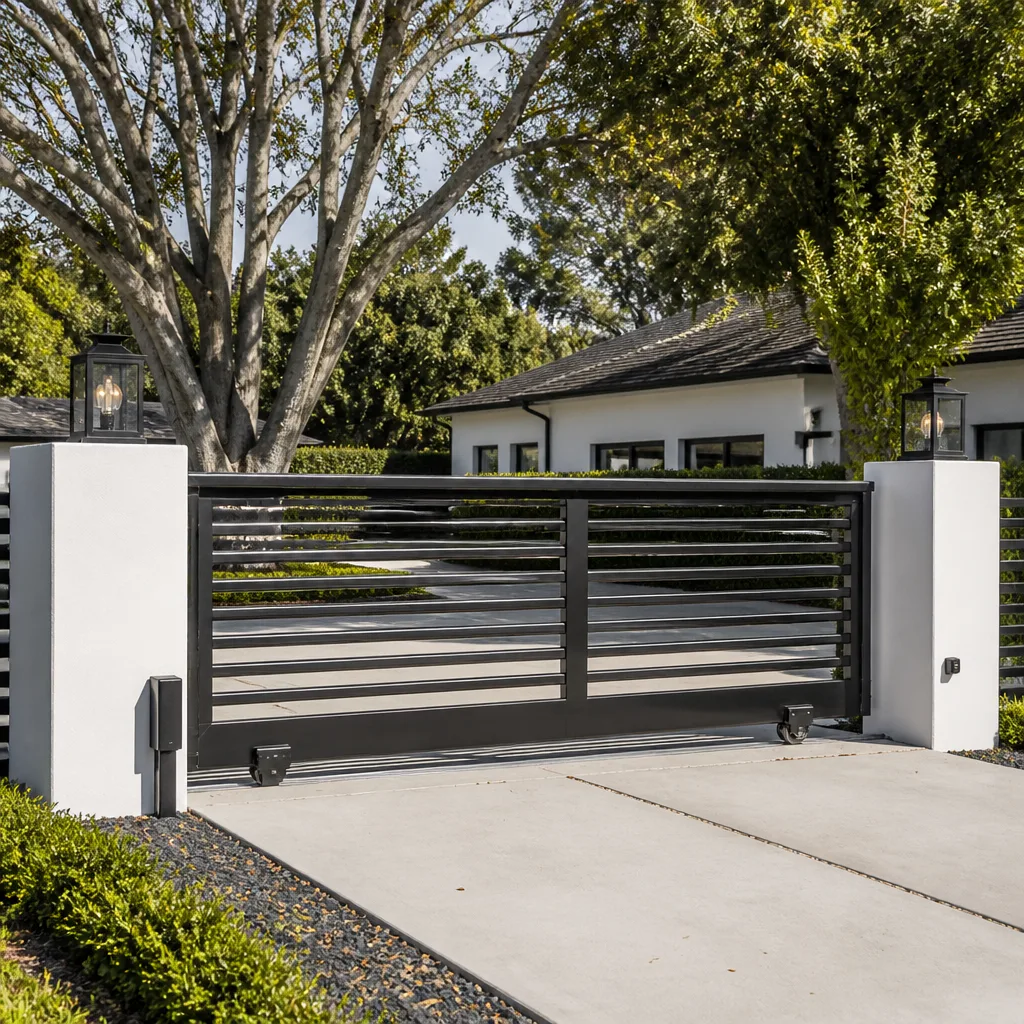 Sliding driveway gates
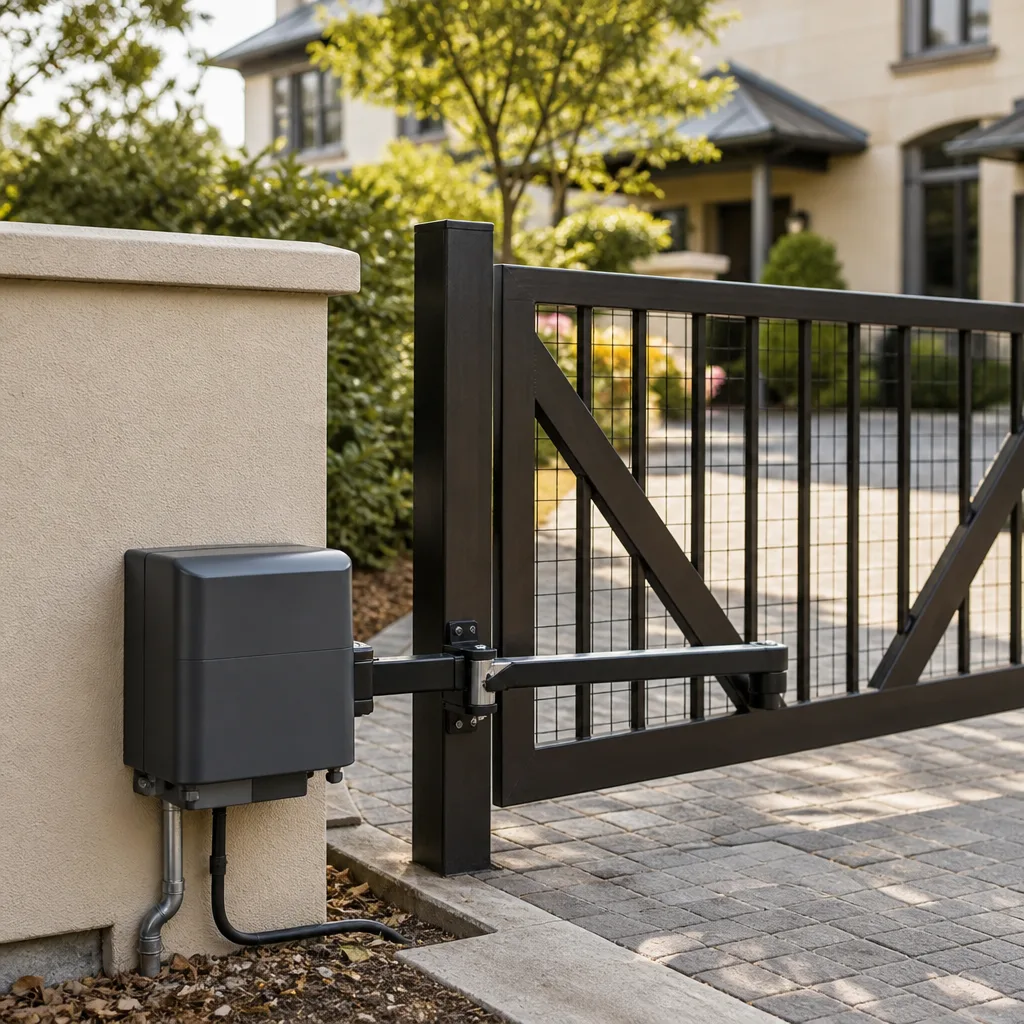 LiftMaster operators
Free on-site gate assessment - hinges, posts, and your LiftMaster or Nice gate operator checked before anything is quoted
The assessment is free and the quote is the invoice.
Get your free estimateDIY vs Professional Gate Repair: The Elizabeth Homeowner’s Decision Guide
Replacing a worn hinge pin on a driveway gate is a reasonable afternoon task for a careful homeowner with basic tools. Changing the entrapment protection settings on the operator that swings that gate is a different matter entirely, and getting it wrong can put you outside the safety standard the equipment was built to meet and leave you exposed if someone is hurt. The line between these two jobs isn’t about how handy you are. It’s about which layer of the gate you’re touching. This guide separates gate repair into its mechanical, electrical, and safety layers, shows exactly which jobs sit safely on your side of the line, and explains where an Elizabeth homeowner should stop and hand the work to a trained technician. By the end you’ll know, for any given problem, whether to reach for your toolbox or your phone.
Styles & brands we work with
- Wrought iron
- Wood & steel frame
- Farm & ranch
- Sliding driveway gates
- LiftMaster operators
Quick Answer
On an Elizabeth gate, DIY is fine for mechanical upkeep like lubricating hinges, clearing debris from the track, tightening visible bolts, and touching up paint. Anything that involves the operator’s wiring, the control board, the motor, or the safety sensors and entrapment settings belongs with a professional, because those parts carry shock risk, warranty consequences, and liability if the gate misbehaves. The dividing line isn’t skill; it’s whether the repair touches power or the safety system.
Table of Contents
- The Three Layers of Gate Repair
- Layer One: The Mechanical Gate (Mostly DIY-Friendly)
- Layer Two: The Electrical Gate (Professional Territory)
- Layer Three: The Safety and Compliance Layer
- Five Repairs Elizabeth Homeowners Try That Go Wrong
- The Warranty Risk of DIY Operator Adjustments
- A Legitimate DIY Maintenance List
- Liability Exposure in New Jersey
- Common Mistakes to Avoid
- When to Call a Professional
- Frequently Asked Questions
- The Bottom Line
The Three Layers of Gate Repair
Every automated gate is really three systems stacked on top of each other, and each one behaves differently when something goes wrong. Understanding them separately is the whole key to deciding what you can do yourself and what you shouldn’t touch. We think about every job this way, because it’s the fastest route to an accurate diagnosis and the safest answer for the homeowner.
The first layer is mechanical: hinges, rollers, tracks, latches, the gate leaf itself, posts, and the physical hardware that lets the gate swing or slide. The second is electrical: the operator, motor, control board, wiring, transformer, battery backup, and any access control like a keypad or remote receiver. The third is the safety and compliance layer: the entrapment protection devices, the force and sensitivity settings, photo eyes, and the way the whole system reacts when something is in its path.
Here’s the practical distinction. Mechanical problems usually show themselves plainly. A gate sags, a hinge squeals, a roller grinds. You can see and feel the fault. Electrical faults hide inside a control box or a run of conduit, and they can shock you. Safety-layer issues are invisible until something bad happens, because the settings that determine what the gate does when a child walks into its path aren’t things you can eyeball.
That’s why the DIY-versus-professional question resets for each layer. A homeowner with patience can handle most of layer one. Layers two and three call for a technician who knows the specific operator, because they carry real consequences. For a deeper look at how we approach each category, see Gate Repair Elizabeth.
Layer One: The Mechanical Gate (Mostly DIY-Friendly)
The mechanical layer is where DIY earns its keep. These parts wear out slowly, fail visibly, and rarely present a danger beyond a pinched finger or a dropped wrench. If your gate is manual or the operator is switched off at the breaker, the following jobs are within reach for a careful homeowner.
- Lubricating hinges and pivot points. A few drops of the right lubricant on schedule quiets squeals and slows wear.
- Clearing the track or guide. Leaves, grit, and debris jam slide gates. Sweeping the channel is safe and often solves a stalling gate outright.
- Tightening visible fasteners. Bolts that work loose on hinges and brackets can be snugged down with hand tools.
- Replacing a hinge pin or roller. Simple hardware swaps on a manual gate are straightforward.
- Touching up paint and treating rust spots. Cosmetic upkeep extends the life of steel hardware.
- Adjusting a manual latch or striker. If the gate closes but doesn’t catch, a small alignment tweak is fair game.
What tips a mechanical job into professional territory is when it stops being about a single part and becomes about the whole gate leaf. A gate that sags because a post has shifted, or a slide gate that has jumped its track, involves weight and alignment that can pin a person or drop suddenly. A heavy gate panel carries enough mass to crush a hand or worse. When the problem is the gate’s alignment rather than a worn part, that’s a job for a technician with the right equipment to support and rehang the leaf safely.
In Elizabeth, where a lot of properties have older gates that have seen many winters and wet springs, hardware seizes and posts settle over the years. Those are mechanical problems, but they’re the kind that need a trained eye to tell a cheap fix from a symptom of something structural.
Layer Two: The Electrical Gate (Professional Territory)
This is where we draw a hard line. Once you’re inside the operator housing, the control box, or a run of low-voltage or line-voltage wiring, you’re dealing with shock risk and equipment that’s easy to damage by guessing. The voltage in gate operators varies, but some components carry mains current, and a mistake there is dangerous whether the system looks intimidating or not.
Electrical-layer work includes the motor, the control board, the transformer, the battery backup, the receiver that pairs with your remote, keypads and access control, and any wiring between those parts. It also includes diagnosing why a gate has stopped responding altogether, why a remote no longer pairs, or why an operator runs for a moment and then quits.
These symptoms are where brand knowledge matters most. A Linear operator that won’t respond and a Viking operator that won’t respond can have completely different causes, because their control logic and programming sequences differ. A technician who works on these systems daily reads the fault by the brand and the model, not by trial and error. That’s the difference between a one-visit fix and a string of return trips while someone guesses. Our focus is electric gate repair, and it’s a core specialty rather than an add-on, which is why we keep a working fluency across the common residential and light commercial brands, including Linear, Viking, Ghost Controls, and DoorKing.
If you’re staring at a control board and the only plan you have is to “try a few things,” that’s the signal to stop. Call (844) 654-1710. We answer 24/7, with fast dispatch from 7am to 7pm, Sunday through Friday.
Layer Three: The Safety and Compliance Layer
The safety layer is the least visible and the most consequential. Automated gates are built to protect people who don’t know they’re in the way, especially children and pets. The devices that do that job include photo eyes that detect an obstruction, sensitive edges that reverse the gate on contact, and the force and sensitivity settings that decide how hard the gate pushes before it gives up.
These aren’t decorative. They are part of what makes the equipment meet the safety standard (UL 325) that governs automated gates in the United States. Getting the settings wrong doesn’t make the gate obviously break. It makes the gate operate in a way the manufacturer never intended, and that’s the danger. A gate that closes too forcefully, or that doesn’t reverse when something is in its path, behaves perfectly normally right up until the moment it matters.
For that reason, we treat any adjustment to entrapment protection devices, force settings, or sensor alignment as professional-only work, full stop. This isn’t gatekeeping for its own sake. It’s that these settings are invisible in daily use and only reveal themselves in the moment of a failure, and by then the consequence is already real.
Here’s how to think about the three layers in one glance:
- Mechanical layer: visible, slow-wearing, low immediate danger. Mostly DIY-friendly with care.
- Electrical layer: hidden, shock risk, and easy to damage by guesswork. Professional.
- Safety layer: invisible in normal operation, liability-bearing, standard-governed. Professional only.
Five Repairs Elizabeth Homeowners Try That Go Wrong
We’ve spent enough time on gate repair to see the same handful of DIY attempts cause trouble. Each of these starts as a reasonable idea and ends with a bigger problem, a voided warranty, or a genuine hazard. Here they are, with the reason each one backfires.
- Bypassing or disconnecting a photo eye. When a sensor keeps tripping, one tempting fix is to defeat it so the gate will close. This removes the very device that stops the gate on a person or vehicle, and it takes the system outside its intended safety configuration.
- Cranking up the force setting. If a gate stalls on a small obstruction, raising the force setting can make it push through. That also means it pushes through with more force on a child, and it masks the real mechanical cause, which is usually a binding track or a worn roller.
- Re-wiring or swapping a control board without brand-specific procedure. Boards and motors aren’t universal. A wiring or pairing sequence that’s right for one brand is wrong for another, and reversing polarity or mismatching a component can damage the operator.
- Resetting and reprogramming the operator by trial and error. Remote pairing, travel limits, and reverse settings all follow brand-specific steps. Guessing at them, especially on a DoorKing system with access control wired in, tends to leave the gate in a partial state that’s neither correct nor safe.
- Cutting a gate leaf or track to “make it fit” after a misalignment. When a slide gate jumps its track, modifying the gate to force a fit can weaken a panel that then fails suddenly under its own weight.
Every one of these is understandable in the moment. The trouble is that gate systems don’t fail gently. They fail with weight and momentum behind them.
The Warranty Risk of DIY Operator Adjustments
Here’s a cost most homeowners don’t factor in: adjusting an operator incorrectly can void its warranty. Gate operators from major brands, including LiftMaster, FAAC, BFT, Linear, Viking, Ghost Controls, DoorKing, Elite, and Mighty Mule, are warranted on the assumption they’re installed and adjusted to the manufacturer’s specifications. Change the settings outside those specs, or wire a component in a way the manual never describes, and you can lose coverage on a repair that would otherwise have been free under warranty.
That matters more than it might seem. A control board or motor replacement can be one of the more expensive parts of a gate system, and if the failure traces back to a homeowner modification, the manufacturer has a legitimate reason to decline. The savings from a DIY attempt can evaporate the moment a warranted part fails.
It works the other way too. When a technician who knows the brand does the work, the adjustment follows the manufacturer’s procedure, the right parts go in, and the programming matches the model. That’s the “get it fixed right the first time” principle, and it’s why brand-specific familiarity reduces callbacks. We work on your brand by name, so the diagnosis starts from the system itself rather than a generic checklist. If your operator is under warranty and misbehaving, involving a specialist early is the surest way to keep that coverage intact.
A Legitimate DIY Maintenance List
We’re not going to tell you that every gate task needs a technician. Plenty of routine upkeep is safe, effective, and worth doing yourself. Here’s the list we’re comfortable handing to any Elizabeth homeowner. It keeps your gate running longer and reduces the chance you’ll be calling for a repair in the first place.
- Clear the track or channel of debris, leaves, and grit every couple of weeks, especially after storms.
- Lubricate hinges, rollers, and pivot points with a lubricant suited to the hardware, typically a few times a year.
- Inspect visible hardware for loose bolts or missing fasteners and tighten what you can reach safely with the power off.
- Test the gate’s safety function monthly by placing an obstruction in the path and confirming the gate reverses or stops. You’re testing, not adjusting; if it fails, that’s a call to a technician.
- Keep the area around the gate clear of growth and stored items that could interfere with its travel or block a sensor’s line of sight.
- Wash and touch up the gate leaf to slow rust and keep the finish intact.
- Check the battery backup indicator if your operator has one, and note any warning light so you can describe it accurately when you call.
Notice what’s not on the list: nothing with a screwdriver inside the control box, nothing that changes a setting, and nothing that touches the wiring. Testing the safety devices is smart and safe. Reconfiguring them is not a DIY task. For more local context on how these systems behave across the city, visit our Elizabeth page.
Liability Exposure in New Jersey
This is the part homeowners underestimate most. When an automated gate injures someone, whether a family member, a visitor, a delivery driver, or a tenant, the question that follows is whether the gate was maintained and configured as it should have been. If the entrapment protection was disabled, the force setting was raised beyond spec, or the safety devices were modified without proper procedure, that becomes hard to explain.
For a single-family home, that exposure sits with the property owner. For a landlord or a small commercial or multi-family property in Elizabeth, it’s sharper still, because the gate guards a shared entrance used by people who rely on the owner to keep it safe. A gate that operates outside its intended safety configuration is a liability waiting for a trigger.
We’re careful not to overstate the law here, because every situation is different and this isn’t legal advice. What we can say plainly is that the safety layer exists to protect people, and modifying it creates risk that a properly configured gate doesn’t carry. If you own or manage a property with an automated gate, the safe course is to keep the safety devices intact and let a trained technician handle anything that touches them. That’s a decision that costs little now and can matter enormously later.
Common Mistakes to Avoid
- Treating a stuck gate as purely mechanical. A gate that won’t move may have a binding track, or it may have a failed safety sensor telling the operator to hold. Diagnosing it as one when it’s the other wastes time and money, especially on a busy Elizabeth property.
- Ignoring a sensor that “keeps acting up.” A photo eye that trips repeatedly is usually misaligned or obstructed, not broken, and disabling it is the wrong fix. Have it properly aligned instead.
- Buying a replacement part by guesswork. Control boards, receivers, and remotes are brand- and model-specific. The wrong part can fail to fit or fail to function, and it isn’t returnable once installed.
- Assuming an operator will “relearn” itself after a power cut. Some systems need specific steps to restore travel limits and safety settings, and skipping them leaves the gate operating on defaults it shouldn’t be on.
- Cranking the force setting to beat a stall. This is the most common and most dangerous DIY shortcut. It hides a mechanical fault and raises the risk of injury.
- Putting off a small mechanical fix until it becomes structural. A sagging hinge or a worn roller in an Elizabeth gate that sees wet winters and hot summers compounds quickly into an alignment problem that costs more to correct.
- Letting a handyman “have a look” at an automated system. Gate operators are a specialized trade. A generalist who doesn’t know the brand tends to guess, and guesswork on the safety layer is exactly what this guide warns against.
When to Call a Professional
Call a professional whenever the work touches the operator’s wiring, the control board, the motor, the safety sensors, or any entrapment setting. Call if the gate behaves unpredictably, reverses for no reason, or fails to reverse when tested. Call if the gate has come off its track, if a heavy panel has shifted, or if the problem is alignment rather than a single worn part. Call if your operator is under warranty and you don’t want to risk it. And call if you’ve already tried a fix and the gate is still misbehaving, because the cause is usually not the one it appears to be. Gate Repair Elizabeth offers free estimates in Elizabeth. Call (844) 654-1710. We answer 24/7. Fast dispatch from 7am to 7pm, Sunday through Friday. Our technicians have up to 14 years of experience, and we’re licensed and insured.
Frequently Asked Questions
No, replacing a gate motor or control board is professional work. These parts involve mains voltage or low-voltage wiring that’s easy to misconnect, and the replacement has to match your specific operator brand and model. A wrong board or a miswired component can damage the system or create a shock hazard, so this is a job for a technician who knows the brand. Call (844) 654-1710 for an exact quote; estimates are free.
No. The force and sensitivity settings control how the gate reacts when something is in its path, and they’re part of the safety standard the equipment is built to meet. Changing them without proper procedure can leave the gate operating outside its intended safety configuration, which is a real hazard and a liability risk. A trained technician should make any change to these settings. Call us to have it checked properly.
It can. If a warranty failure traces back to a homeowner modification, incorrect wiring, or settings changed outside the manufacturer’s specifications, the manufacturer may decline the claim. Adjustments made by a brand-trained technician follow the proper procedure and keep coverage intact. If your operator is under warranty, it’s worth having a specialist look before you touch it.
You can safely clear the track, lubricate hinges and rollers, tighten visible hardware, touch up paint, and test the safety devices monthly by placing an obstruction in the path. Keep the area around the gate clear too. What you shouldn’t do is open the control box, change any settings, or touch the wiring. Testing is fine; reconfiguring is not.
Sometimes, but often not. If the cause is debris in the track or a misaligned latch, a homeowner can usually sort it. If the gate stops and reverses for no visible reason, a safety sensor is usually telling the operator something is in the way, and that needs proper diagnosis rather than a workaround. Don’t defeat the sensor to force the gate closed. Call (844) 654-1710 and we’ll take a look.
That depends on the scope and the property, so ask the city’s building department directly before any structural or electrical work. Minor repairs and routine maintenance generally don’t require a permit, while structural changes or new electrical runs often do. We can talk through what your specific job involves, and you can confirm the permit question with the city.
The Bottom Line
The DIY-versus-professional question for gate repair comes down to which layer you’re working on. Mechanical upkeep like lubrication, debris clearing, and hardware tightening is yours to handle. The electrical layer and the safety layer belong with a trained technician, because they carry shock risk, warranty consequences, and real liability if something goes wrong. In Elizabeth, where older gates and shifting weather work hardware loose over time, most jobs that start as a small mechanical fix turn out fine, and most that touch the operator deserve a specialist’s eye. Know the line, respect it, and you’ll protect both your gate and the people who use it.
Written by the team at Gate Repair Elizabeth.
See the difference
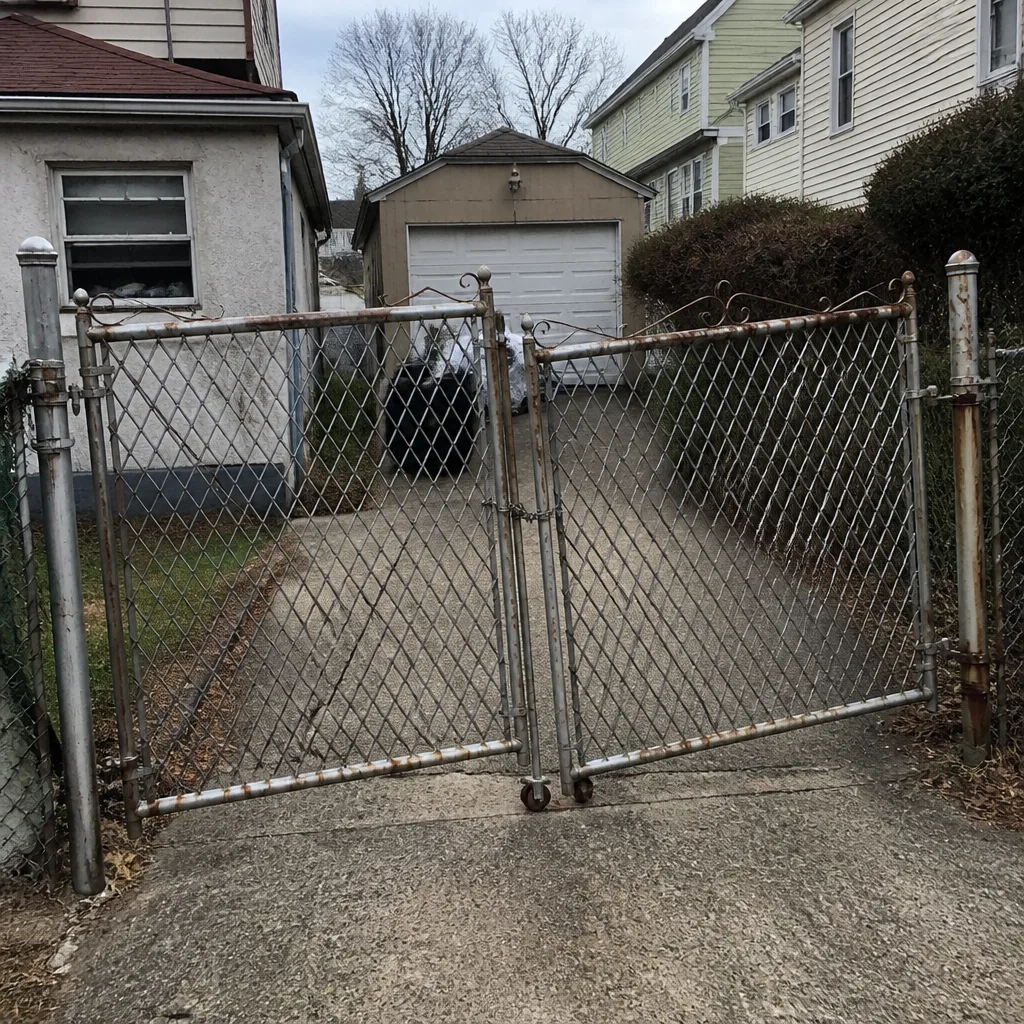 Before
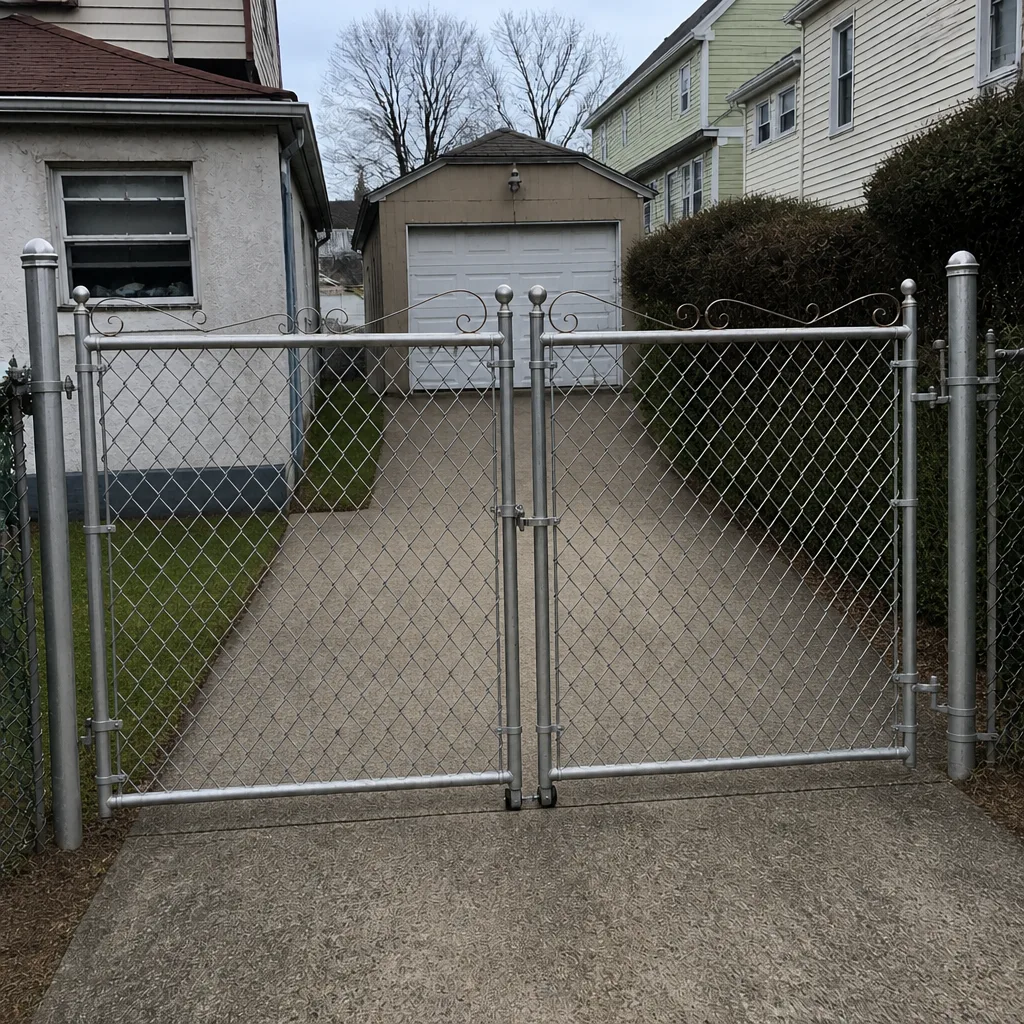 After
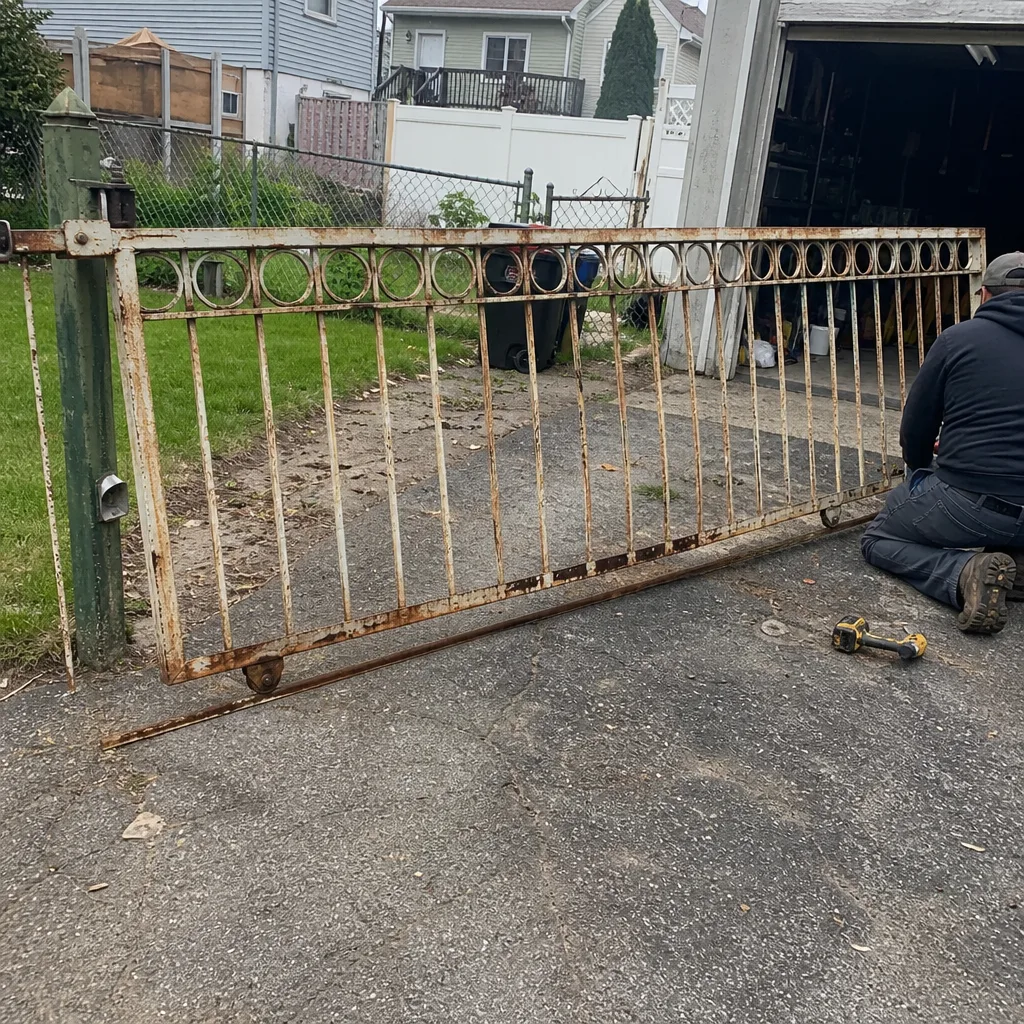 Before
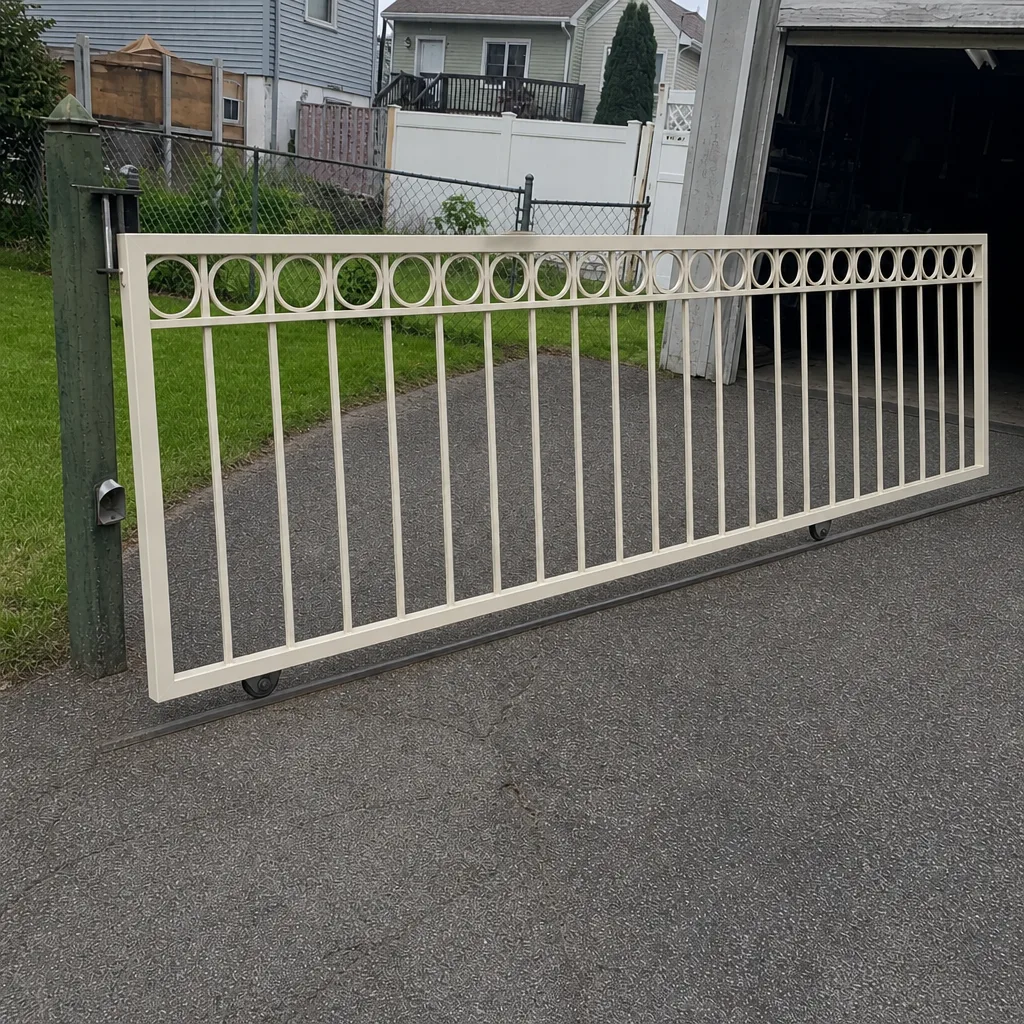 After
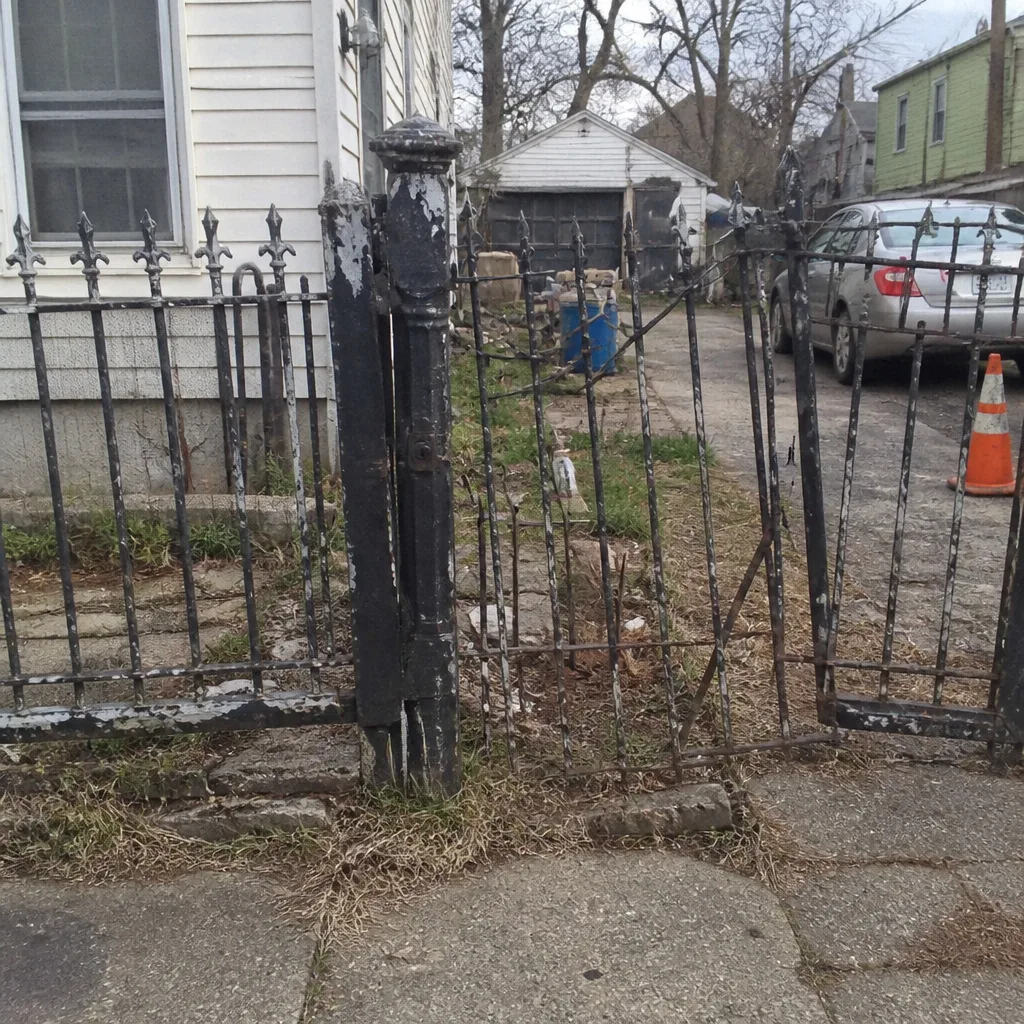 Before
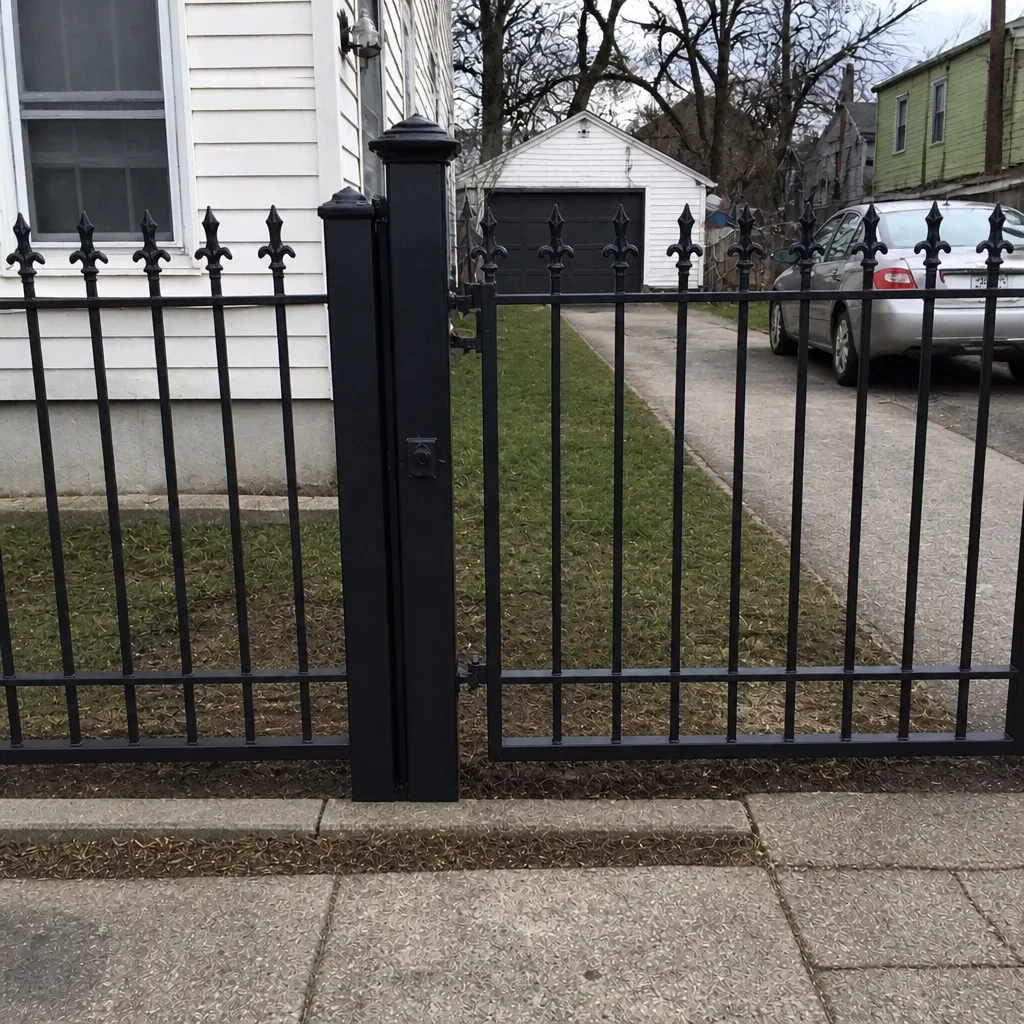 After