
Last updated November 15, 2026
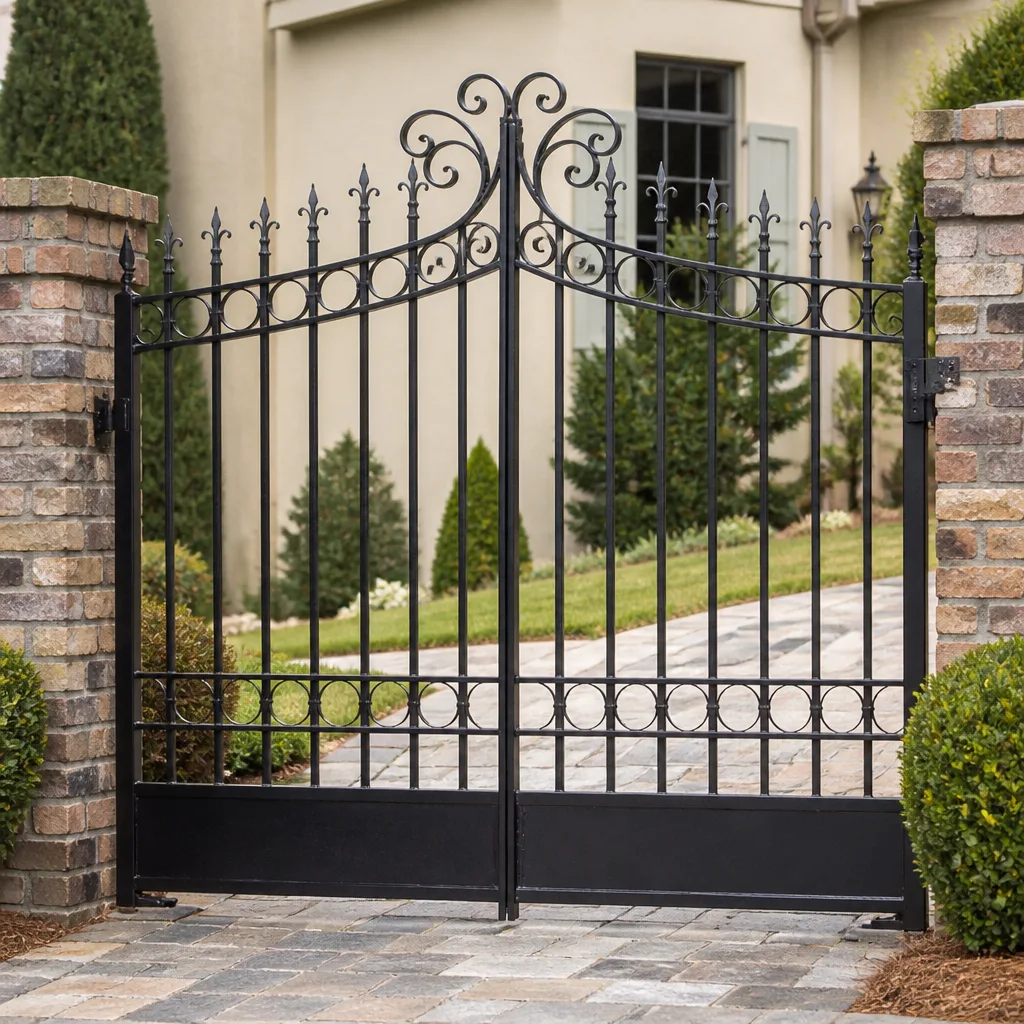 Wrought iron
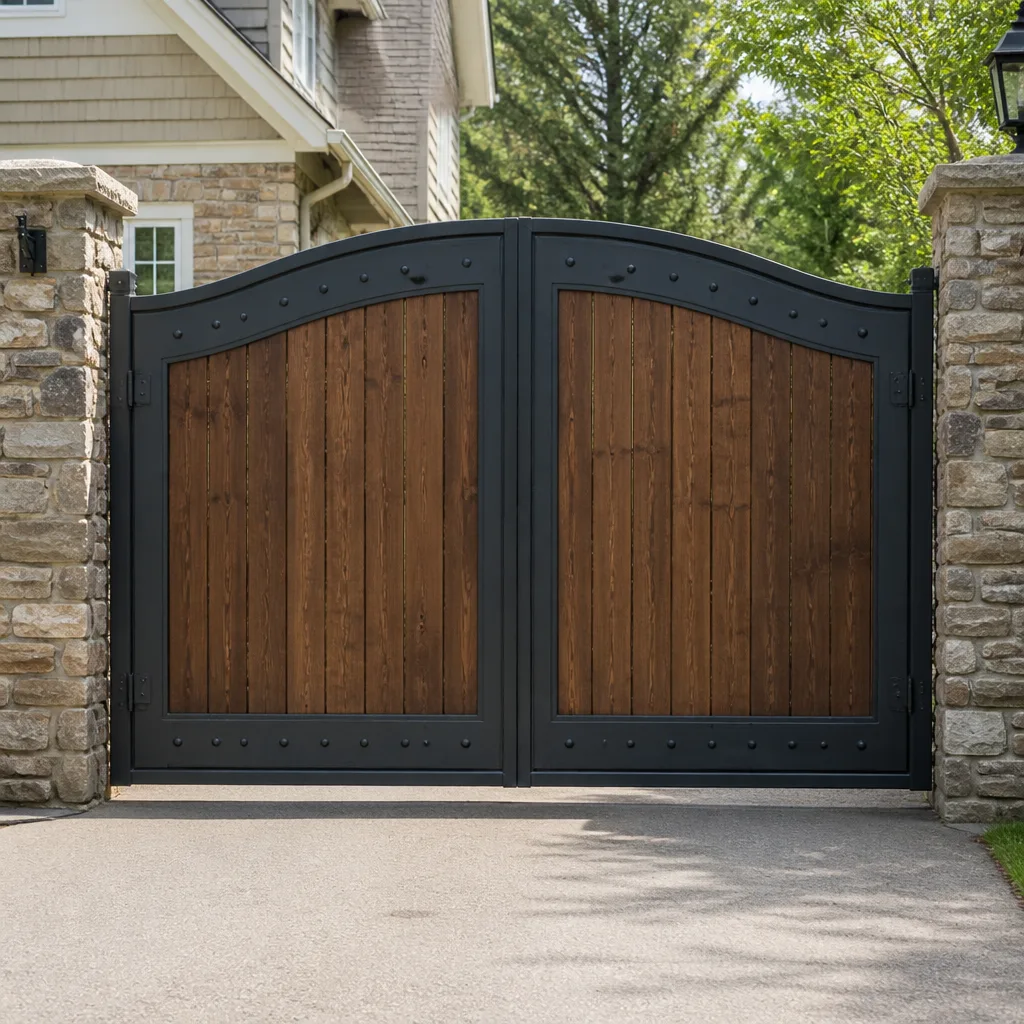 Wood & steel frame
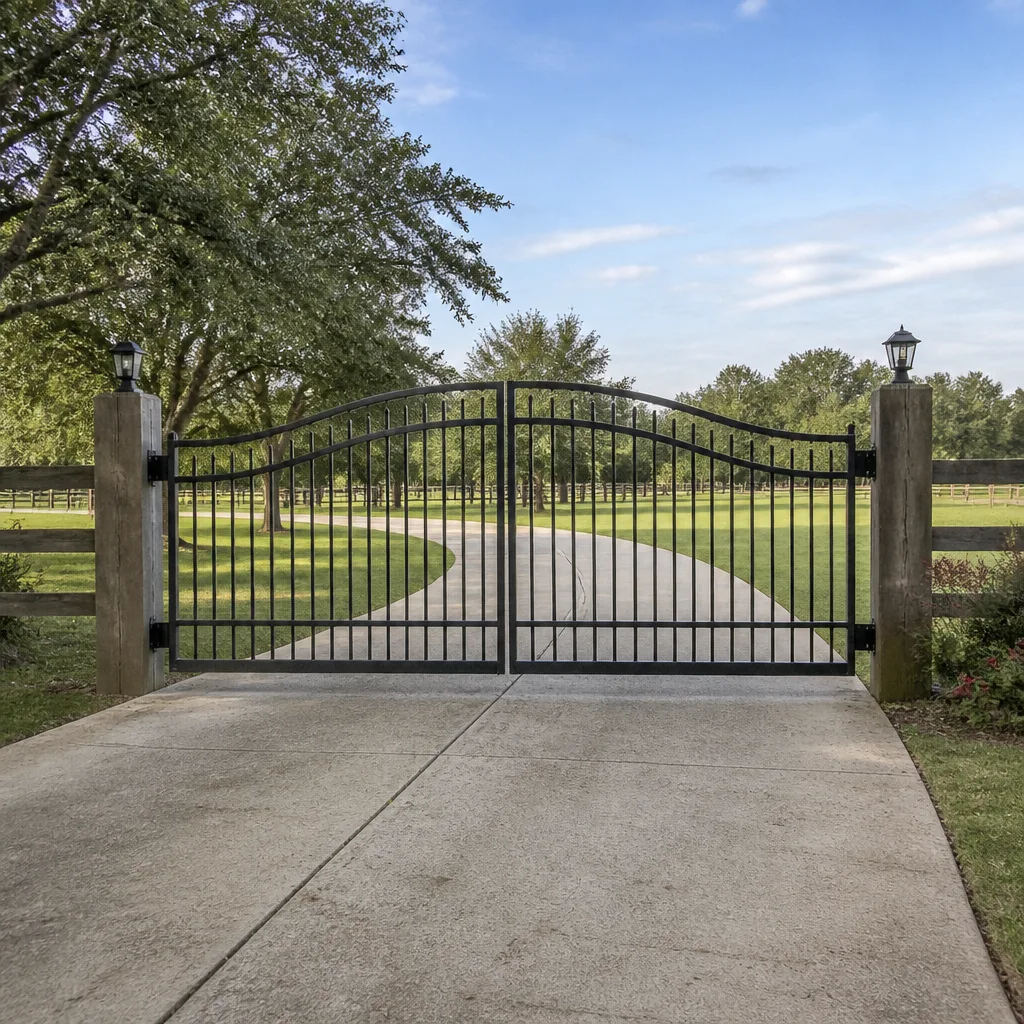 Farm & ranch
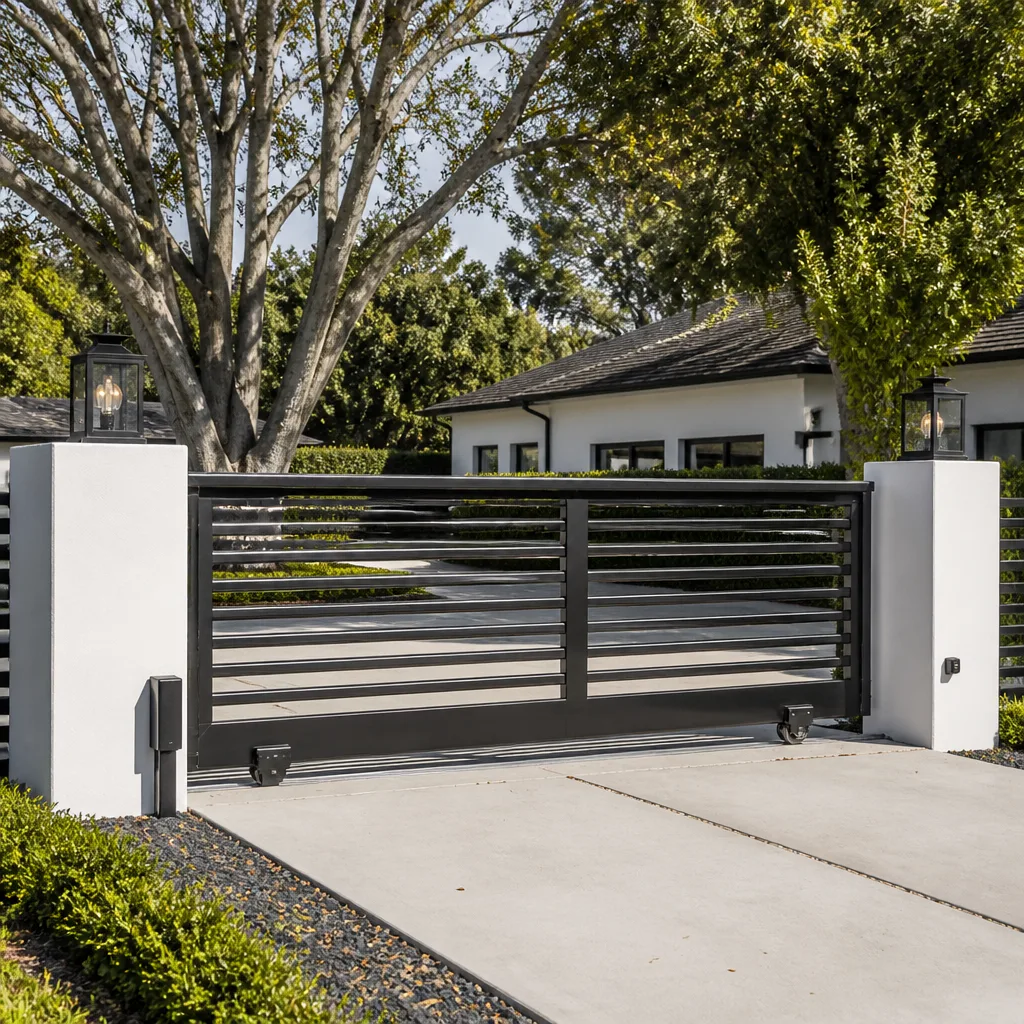 Sliding driveway gates
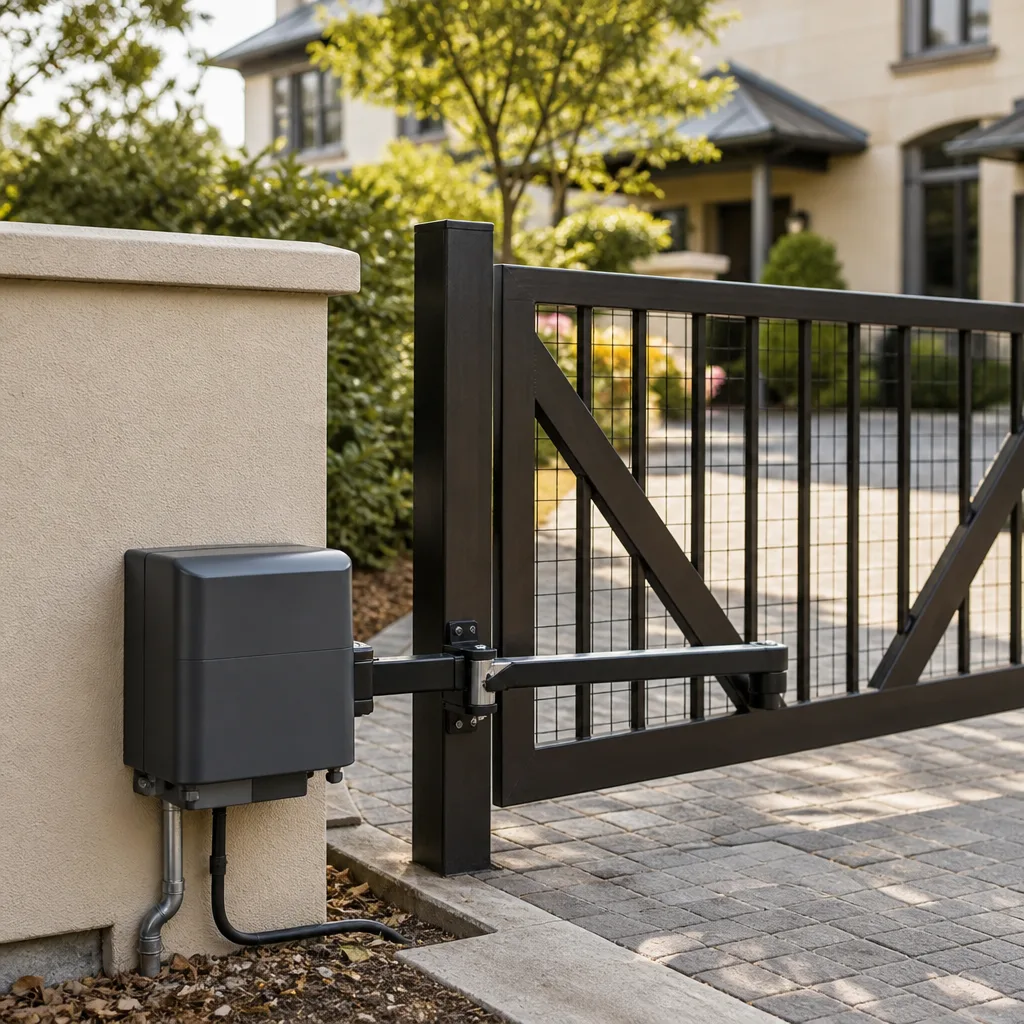 LiftMaster operators
Free on-site gate assessment - hinges, posts, and your LiftMaster or Nice gate operator checked before anything is quoted
The assessment is free and the quote is the invoice.
Get your free estimateGate Repair Maintenance Schedule: What to Do and When
The advice you’ll find on most gate company websites is to lubricate your gate twice a year and call it done. That advice gets more gates into trouble than it prevents. Over-lubrication is a real failure mode, especially on swing gate operators where excess grease and spray collect grit that grinds away at seals and moving parts faster than dry metal ever would. A gate is a mechanical system with four separate wear clocks running at once – visual, mechanical, electronic, and structural – and each one comes due on its own schedule. This guide maps every task to the month it actually prevents failure, with notes specific to how gates behave in Elizabeth.
Quick Answer
A residential gate needs a quick visual check every month, a mechanical inspection every three months, an electronic and battery check twice a year, and a full structural and safety review once a year. The tasks that matter most are lubricant selection by gate type, battery backup testing before storm season, and control board protection heading into summer heat. Skipping any one of these doesn’t fail immediately – it fails at the worst possible moment, usually during a power outage or a holiday when you need the gate most.
Styles & brands we work with
- Wrought iron
- Wood & steel frame
- Farm & ranch
- Sliding driveway gates
- LiftMaster operators
Table of Contents
- Monthly Visual Check: 10 Minutes That Catch Most Problems
- Quarterly Mechanical Inspection: What Actually Wears
- Biannual Electronic and Battery Backup Service
- Annual Structural and Safety Review
- Lubricant Selection by Gate Type
- Elizabeth Seasonal Prep: Winter Cold and Summer Heat
- How to Keep a Maintenance Log That Doubles as Evidence
- Common Mistakes to Avoid
Monthly Visual Check: 10 Minutes That Catch Most Problems
A monthly walk-around of your gate takes about ten minutes and it’s the single highest-value item on this schedule. You’re not fixing anything – you’re looking for changes since last month. A gate doesn’t usually fail without warning; it gives you small signals for weeks beforehand that most homeowners don’t recognize because nobody told them what to look for.
Here’s what to inspect:
- Gate sag and alignment: Stand back and look at the gate in the closed position. Any visible tilt, or a gap that’s opened up on one corner, means the hinges, rollers, or posts are moving.
- Hinge play: With the gate open, try to lift it by the outer edge. Any vertical movement means worn hinges or bushings.
- Track or roller wear on slide gates: Look for flat spots on rollers, debris in the track, and any track section that looks bent or tilted.
- Hardware tightness: Bolts and screws on hinges, brackets, and operator mounts work loose over time. Hand-check the visible ones.
- Obstruction and clearance: Leaves, gravel, and dirt mound up at the gate’s travel path. Clean these out so the gate isn’t straining against them.
- Fence line condition: Loose fence panels or posts next to the gate translate stress into the gate structure.
- Visible rust or paint failure: Early rust is easy to treat; advanced corrosion means replacement.
If your gate is automated, run it through one full open-close cycle while you watch. Listen for new noises, hesitation, or speed changes. Those three symptoms alone account for most of what we diagnose on electric gate repair calls in Elizabeth. A gate that hesitates at a certain point in its travel is usually telling you about a worn component, not a control board.
Quarterly Mechanical Inspection: What Actually Wears
Every three months, get hands-on with the moving parts. This is when you check things the monthly visual can’t confirm – actual torque, actual wear, actual alignment. In our experience, gates that get a proper quarterly check go years longer between major repairs than gates that get only an annual service.
Walk through this in order:
- Lubricate hinges and pivot points. Apply a small amount of the correct lubricant (see the section on lubricant selection below) to each hinge and pivot. Wipe off excess with a rag – this is critical.
- Check operator mounting bolts. The bolts holding the operator arm or motor assembly should be tight with no play. Loose mounts cause premature motor wear.
- Inspect the drive chain or rack on slide gates. Look for tight spots, kinks, or stretched sections. Check chain tension – it should have slight slack, not be tight as a bowstring or drooping.
- Test the manual release. Every automated gate has a manual release mechanism. Practice using it. If it’s seized or stiff, you’ll find out during a power outage when you don’t want to find out.
- Examine the gate frame and hinges for cracks. Small cracks at hinge welds or brackets propagate fast. A crack you can see now is a crack you can weld now.
- Check guide rollers and slide gate tracks for wear. Replace any roller with visible flat spots or free-play.
On LiftMaster and Elite swing operators, pay attention to how the arm travels through the full arc. Binding at the end of the swing usually means the arm geometry has shifted or the hinge has sagged. That’s the kind of thing a quarterly check catches before it burns out a motor.
Biannual Electronic and Battery Backup Service
Twice a year, focus on the electronics. Automated gates have more electronic surface area than most people realize – the control board, the receiver, the safety sensors, the battery backup system, and the operator’s internal circuitry. Most of these either work or they don’t, but the battery is different. Batteries degrade slowly and silently until the day you need them, then fail completely.
Here’s the electronic service sequence:
- Test battery backup under load. With the gate closed, kill power to the operator at the breaker. The gate should complete at least one full open cycle on battery alone. If it moves slowly, stalls, or won’t complete the cycle, the battery is failing.
- Check battery terminals and voltage. Clean any corrosion at the terminals. A voltmeter reading below the battery’s rated voltage under load confirms it needs replacement.
- Test safety sensors and photo eyes. Block each sensor with your hand or a piece of cardboard. The gate should stop or reverse immediately. If it doesn’t, stop using the automated function and get it serviced.
- Inspect the control board for moisture or insect intrusion. Control boards fail from humidity and insects more often than from electrical faults, especially in older operators.
- Test the remote and keypad from full range. Weak reception from normal range means the receiver or antenna needs attention.
- Check the access control system if you have one. On DoorKing systems and similar entry controls, verify the keypad codes, card readers, and call-box functions still work.
Battery backup is the maintenance item most Elizabeth homeowners skip until a power outage exposes a dead backup during an emergency. Do this twice a year – spring and fall are the natural checkpoints because those are the seasons when grid reliability is most likely to be tested by storms.
Annual Structural and Safety Review
Once a year, take the long view. The annual review is where you assess the whole system, not just the parts. It’s also when you address things that don’t show up in monthly or quarterly checks – post footing integrity, gate frame straightness, and the safety devices that protect people from a serious injury.
Cover these items:
- Post integrity: Posts should be plumb and firm. Any rocking, leaning, or visible rot at ground level is a structural issue. On slide gates, the entire weight of the gate rides on these posts, so any movement needs attention before it cascades.
- Gate frame straightness: Run a string line along the top rail and compare it to the frame. Any bow means a hinge, post, or frame issue is developing.
- Full safety device test: Photo eyes, safety edges, reversing sensors, and any load-sensing feature need to be tested end-to-end. A gate that fails to reverse on obstruction is a hazard, especially with children or pets on the property.
- Operator load and travel speed: The gate should run smoothly at its rated speed. Slowing down over months means increased mechanical resistance somewhere.
- Manual release under load: Re-test the manual release with the gate in the mid-travel position, not just closed. Some releases work when closed and seize mid-travel.
- Battery age assessment: Even if the battery passes its load test, anything over three years old should be on a replacement watch list.
If you’re comfortable checking this yourself, great. But this is the one section where a professional review genuinely earns its cost on complex or commercial systems. Heavy gate panels that swing or slide under power can crush fingers or worse if a safety edge fails, and the operator’s electrical connections carry real voltage. For any of that work, use a trained technician.
Lubricant Selection by Gate Type
The same silicone spray that works well on a slide gate chain will degrade the O-rings inside a swing gate operator. This is the single biggest maintenance mistake we see on automated gate systems, and it’s not obvious because the wrong lubricant usually doesn’t fail immediately – it works its way in and causes damage over months.
The reason comes down to what each component is made of and how it’s exposed:
- Slide gate chain and rack: Use a chain-specific lubricant or a dry-film PTFE spray. Silicone spray works too here, but avoid heavy grease because it collects grit from the environment and turns into an abrasive paste.
- Slide gate rollers and track: A dry lubricant on the rollers and a light coat on the track. Heavy grease here attracts debris – worse than no lubrication at all.
- Swing gate hinges: Light grease or a specific hinge lubricant is fine. Hinges see high load and low speed, so they tolerate heavier lubricants better than most components.
- Swing gate operator internals (via the manufacturer’s lubrication ports, if any): Follow the operator manufacturer’s lubricant – LiftMaster, Elite, and Mighty Mule swing operators are not interchangeable in this respect. Some use sealed gearboxes that shouldn’t be touched; some have specific service points.
- Hydraulic operators: Never substitute lubricant into the hydraulic fluid. Hydraulic operators use a specific hydraulic oil, replaced on the manufacturer’s schedule, not a spray lubricant.
- Lock mechanisms and latches: Dry graphite or a specific lock lubricant. Not WD-40 – it attracts dust and turns into sludge in lock cylinders.
The rule of thumb: dry, specific, and minimal. Over-lubrication accelerates wear on more gate components than under-lubrication does. If you’re not sure what your operator needs, ask before you spray. Our technicians have up to 14 years of experience across the major gate brands and we can tell you what your specific operator takes – and what it absolutely does not.
Elizabeth Seasonal Prep: Winter Cold and Summer Heat
A gate’s maintenance schedule in Elizabeth has to account for two real seasonal stresses that warmer climates don’t face. Winter cold stiffens hydraulic operators and shrinks metal components, and summer heat cooks control boards and accelerates electronic drift. Both are manageable with prep work done ahead of them.
Fall prep (October-November):
- Service the hydraulic operator if you have one. Cold thickens hydraulic fluid, and weak fluid turns a smooth operator into a slow one that stalls in freezing weather.
- Test the battery backup – the grid is most likely to fail in winter storms, and finding out your backup is dead then is not a good moment.
- Lubricate all hinges and pivot points with the correct lubricant for cold weather – some lubricants thicken and bind in freezing temperatures.
- Clear the track or travel path of debris and leaves that will freeze solid over the winter.
- Inspect for any existing cracks or damage that cold weather will worsen.
Spring prep (April-May):
- Re-test the battery backup after winter.
- Look for winter damage – frost heave that shifted posts, cracked hinges from cold, rust from melted snow and ice.
- Clean and protect the control board area ahead of summer humidity. In Elizabeth the July-August combination of high humidity and heat is the most common control board failure window we see.
- Re-lubricate all pivot points for the warm season.
- Test all safety devices before summer use increases.
This split – heavy prep in fall, recovery and electronics focus in spring – matches how gates actually fail in Elizabeth. Ignore it and you’ll find out about most of these items only after they’ve already cost you a repair.
How to Keep a Maintenance Log That Doubles as Evidence
A simple maintenance log is one of the lowest-effort things you can do, and it’s the item most homeowners skip. It serves two purposes: it tells you when each task was last done so the schedule doesn’t drift, and it becomes documented evidence if you ever need to file a warranty claim or an insurance claim after a gate failure or injury event.
Here’s what to record, if you keep a log (a notebook or a shared document both work):
- Date of every maintenance task. Monthly visual, quarterly mechanical, biannual electronic, annual structural – each one gets a dated line.
- What was checked and the result. “Photo eyes tested, pass” or “Drive chain tension reset, noted slight wear” – specific enough that a future reader knows what the state was.
- Any parts replaced. Model numbers if you have them. This matters for future service and for warranty claims.
- Any professional service – who and when. If a technician serviced your gate, keep the invoice with the log.
- Photographs of any wear or damage. A smartphone photo taken during inspection is worth the ten seconds it costs.
- Battery installation dates. Cycle count and start date. This is the single best predictor of battery failure.
If your gate fails and an insurer or the gate manufacturer asks what maintenance was done, a documented log answers that question. Without a log, you’re relying on memory, and in our experience that rarely goes well. It’s also useful for gate repair diagnostics – we can see exactly what’s been done and when, which shortens the diagnostic window.
Common Mistakes to Avoid
- Over-lubricating. Excess lubricant on a gate component collects grit and turns into an abrasive paste that wears things faster than dry friction would. Wipe off the excess every time.
- Using the same lubricant everywhere. A silicone spray that belongs on a slide gate chain will degrade swing gate operator O-rings. Match the lubricant to the component, not the gate.
- Skipping the battery backup test. Elizabeth homeowners tend to skip this until a storm knocks out power and the backup turns out dead. Test twice a year, no exceptions.
- Ignoring safety device failures. A photo eye that no longer reverses the gate is a hazard, not an inconvenience. Never keep using an automated gate with a failed safety device.
- Not cleaning the track or travel path. Debris in the slide gate track is one of the most common causes of strain – which wears motors and drive components faster than they should.
- Doing electrical work without training. The operator wiring, control board, and battery connections carry real voltage. If you don’t know what you’re doing, don’t open the operator housing. Call a trained technician.
- Skipping the log. A maintenance log takes two minutes to update and answers every “when was this last done” question, plus it becomes your evidence if a claim ever surfaces.
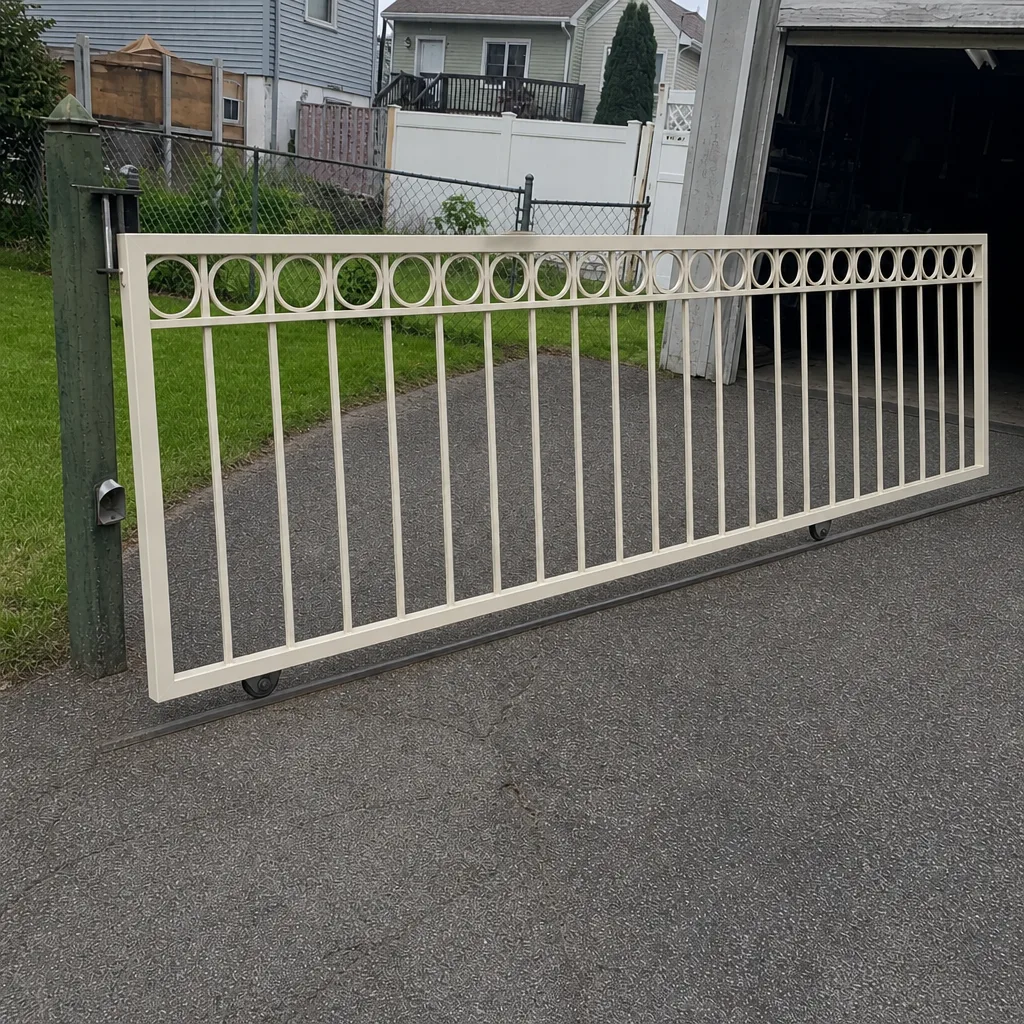
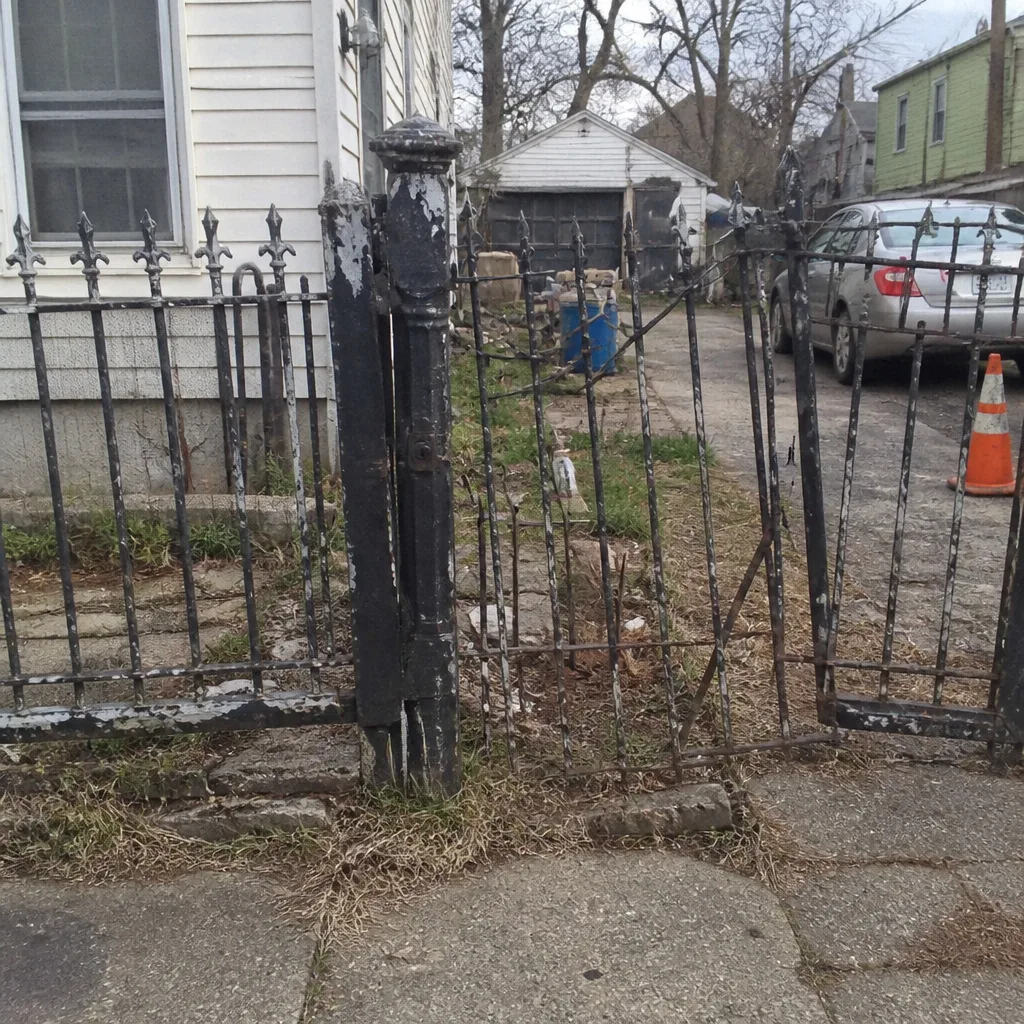
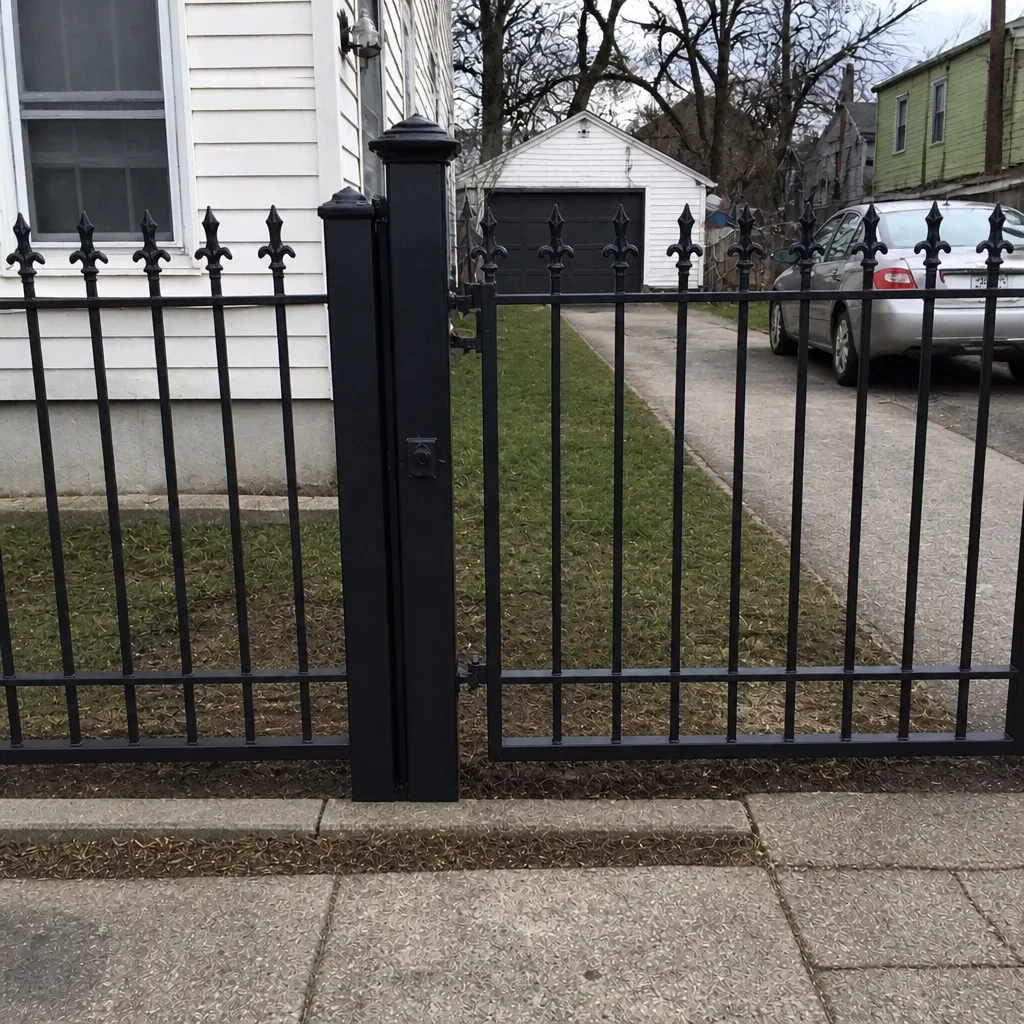
See the difference
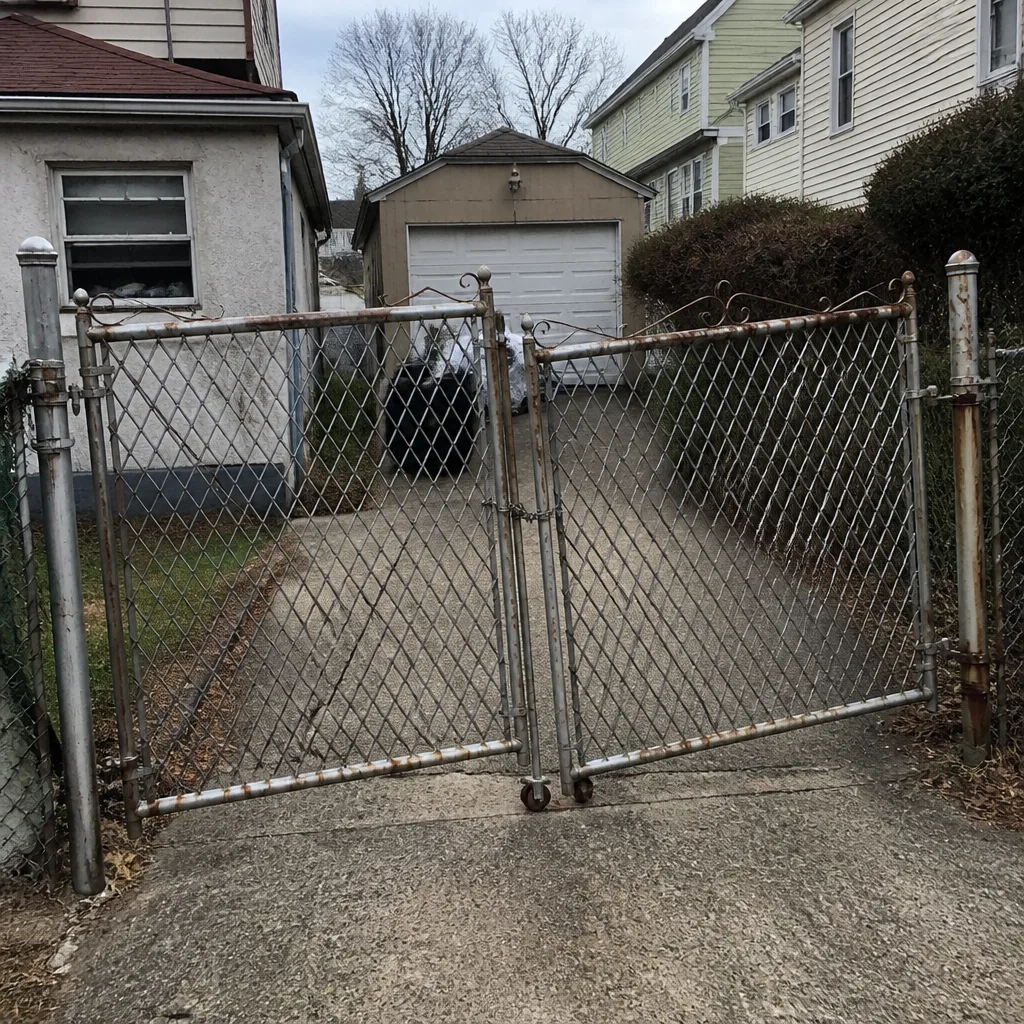 Before
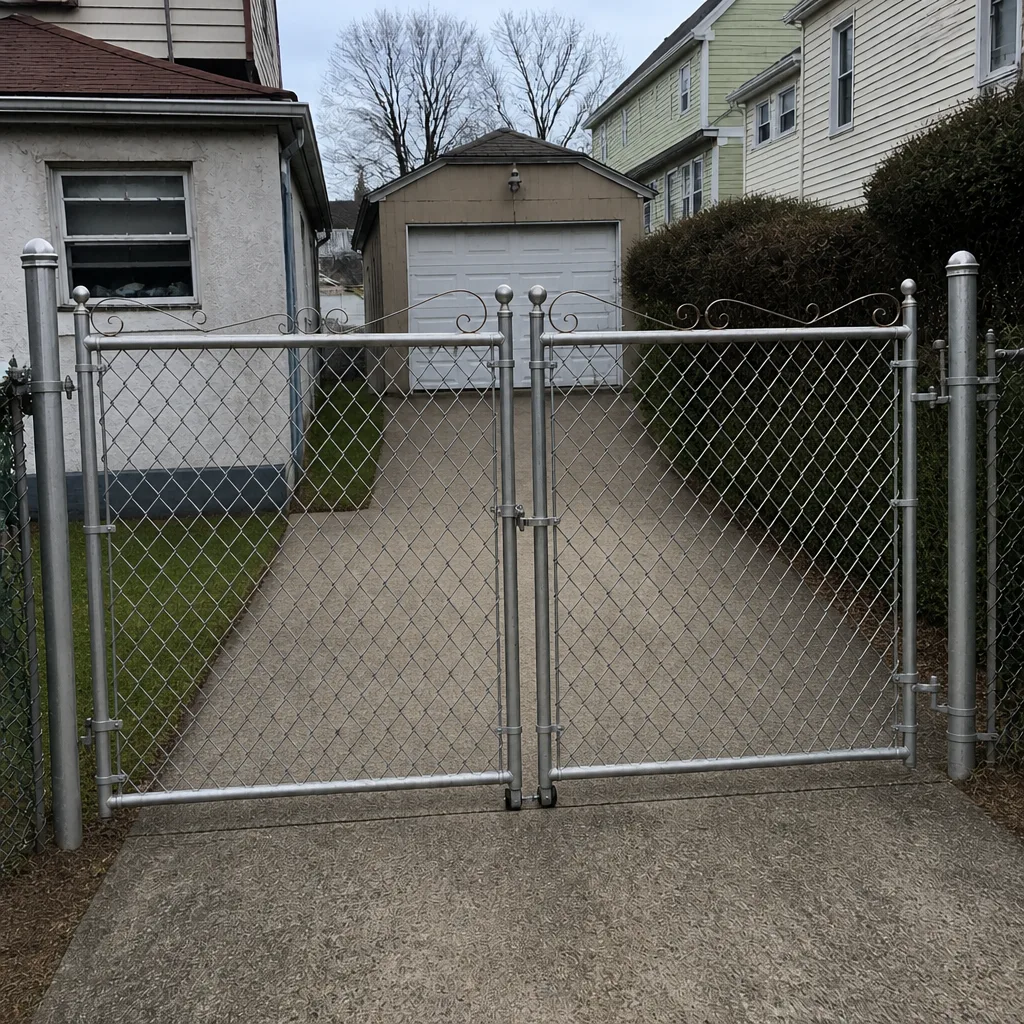 After
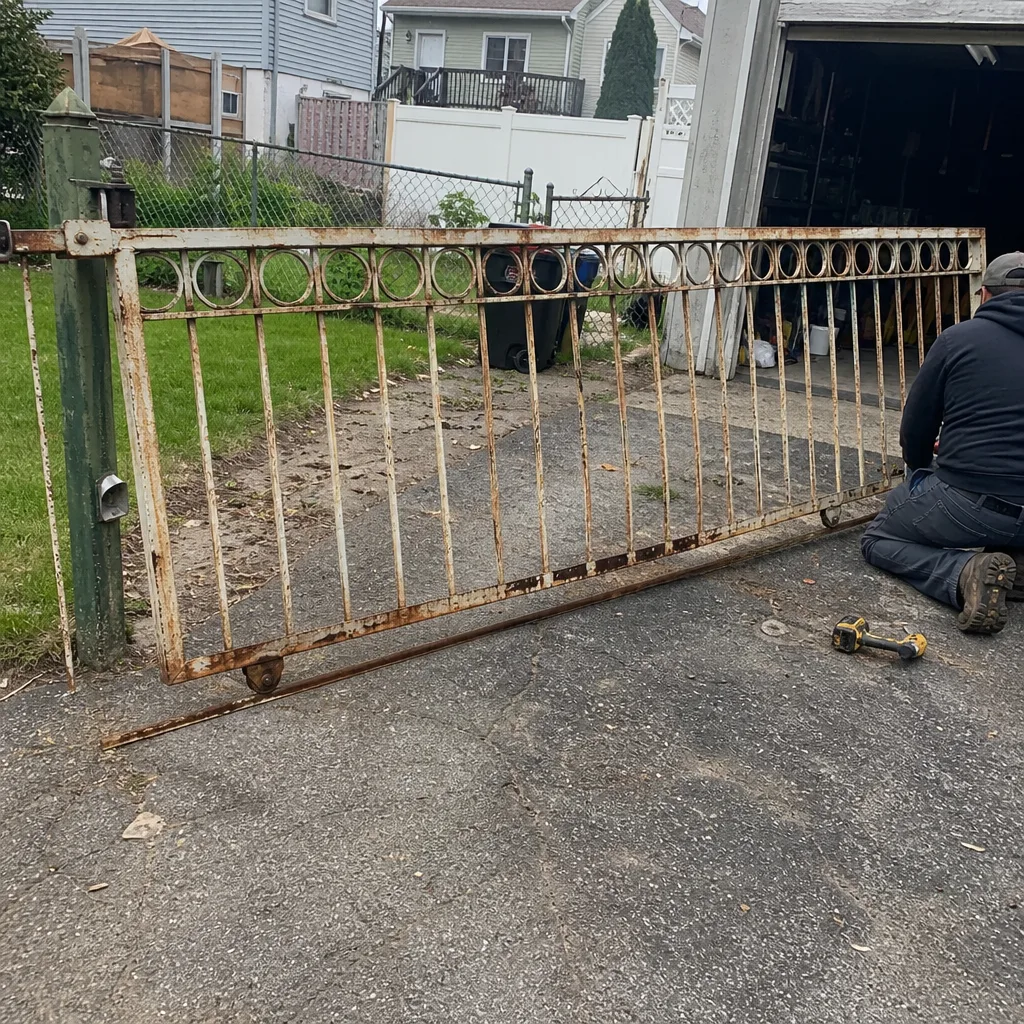 Before
 After
 Before
 After
When to Call a Professional
Some maintenance tasks are genuinely DIY – checking hinges for play, wiping down a track, testing photo eyes. But several items on this schedule cross the line where a trained technician is the right call. If your automated gate no longer reverses when it hits an obstruction, stop using it and call immediately – that’s a safety device failure, not a maintenance item. If your battery backup fails under load, if the operator hesitates or slows, if control board moisture or insect damage is visible, or if a post or frame has moved, get a professional involved before the small problem becomes a large one. The operator wiring and control board carry real voltage, and a heavy gate panel that swings under power can crush a hand or worse if a component fails. Do not open the operator housing or work on the electrical side yourself. Gate Repair Elizabeth offers free estimates in Elizabeth. Call (844) 654-1710 for brand-specific diagnosis on LiftMaster, DoorKing, Elite, Mighty Mule, and the industry’s other major gate brands.
Frequently Asked Questions
A residential gate should get a quick visual check monthly, a mechanical inspection every three months, an electronic and battery check twice a year, and a full structural and safety review annually. If you only do one service visit per year, make it the annual structural review – that’s the one that catches the biggest safety issues. Call (844) 654-1710 for an exact quote – estimates are free.
Testing the battery backup under load is the most important task to not skip. A dead battery backup doesn’t reveal itself until power fails, usually during a storm when the gate matters most. Test it by killing power to the operator and confirming the gate completes a full cycle. If it doesn’t, the battery needs replacement. Call (844) 654-1710 to schedule a battery check.
Yes, in most cases it is. Excess lubricant collects grit and environmental debris and turns into an abrasive paste that accelerates wear more than dry metal does. The same principle applies to the wrong lubricant – a silicone spray that works on a slide gate chain will degrade the O-rings inside a swing gate operator. Wipe off the excess after every lubrication and use only the lubricant your component specifies. Call (844) 654-1710 if you’re not sure what your operator takes.
Prepare for winter by servicing hydraulic operators in October or November, testing the battery backup, lubricating hinges with a cold-weather appropriate lubricant, clearing the travel path of debris, and checking for existing damage that cold will worsen. That sequence handles the biggest winter failure points in Elizabeth’s climate. Call (844) 654-1710 for a pre-winter service visit.
Control boards fail more often in summer because the combination of July-August heat and humidity creates condensation inside the operator housing. Insect intrusion also peaks in summer. Both cause corrosion and short circuits on the board. Cleaning and protecting the control board area in spring is the cheapest defense. Call (844) 654-1710 if you have a failing control board on your gate.
Yes, keeping a maintenance log is worth the small effort. It tracks when each task was last done, records parts replacements and professional service, and becomes documented evidence if you ever need to file a warranty claim or an insurance claim. Even a simple notebook with dated entries works fine. Call (844) 654-1710 for a diagnostic visit and we can help you start a proper log.
The Bottom Line
Gate maintenance is four schedules running in parallel, not a single annual task. Monthly visual checks catch the changes, quarterly mechanical service prevents wear, biannual electronic and battery work prevents silent failures, and the annual structural review keeps the whole system within spec. Elizabeth’s winter cold and summer humidity mean both seasonal prep windows matter more here than in most markets. Skip the silly “lubricate twice a year” advice – use the right lubricant on the right component, test the battery, and keep a log. Every one of those tasks costs minutes and prevents a repair. For brand-specific diagnosis across LiftMaster, DoorKing, Elite, and Mighty Mule – or any of the other major gate brands – our technicians have up to 14 years of experience and we can build a maintenance schedule for your specific system. Alongside gate repair and installation, we work on the full arc of the gate lifecycle in Elizabeth, and if you’d rather have a specialist look at it first, Gate Repair Elizabeth offers free estimates. Call (844) 654-1710. We answer 24/7. Fast dispatch from 7am to 7pm, Sunday through Friday.
Written by the team at Gate Repair Elizabeth.