
Last updated November 15, 2026
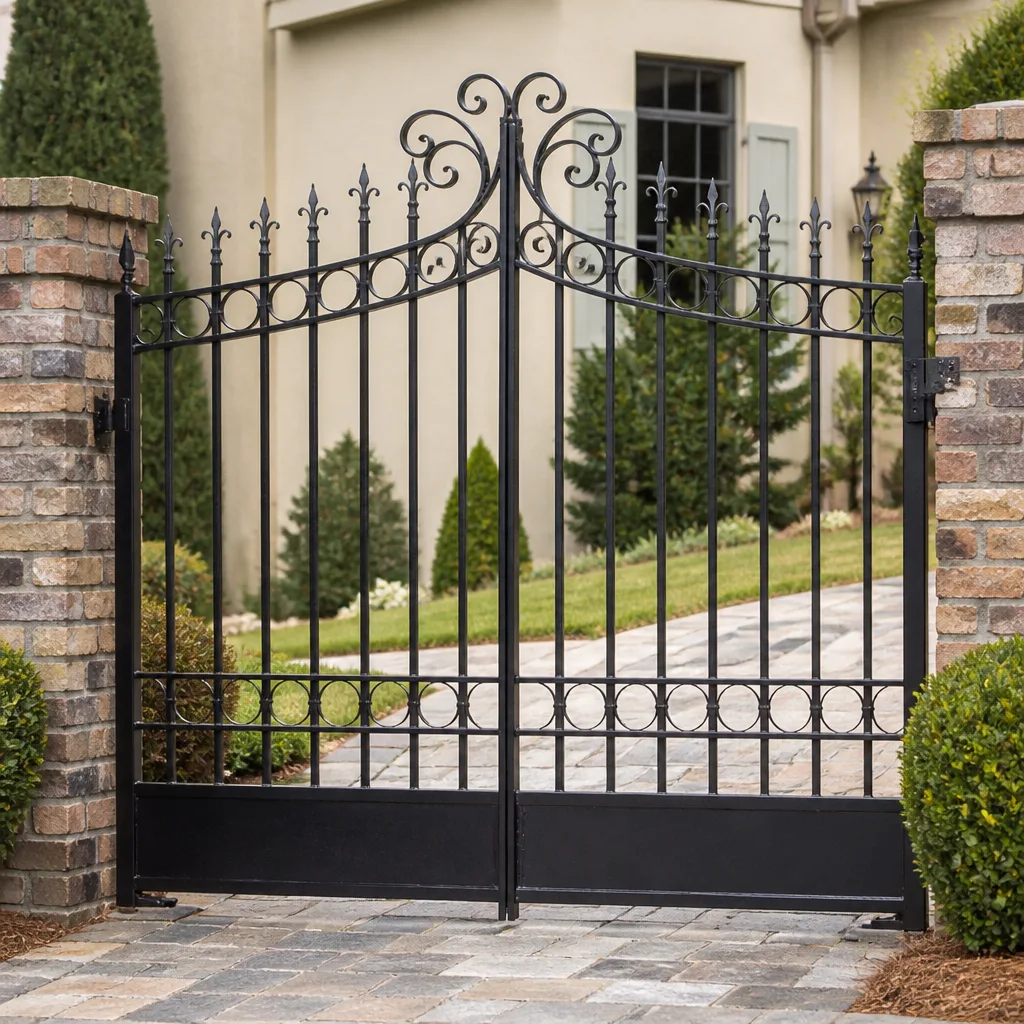 Wrought iron
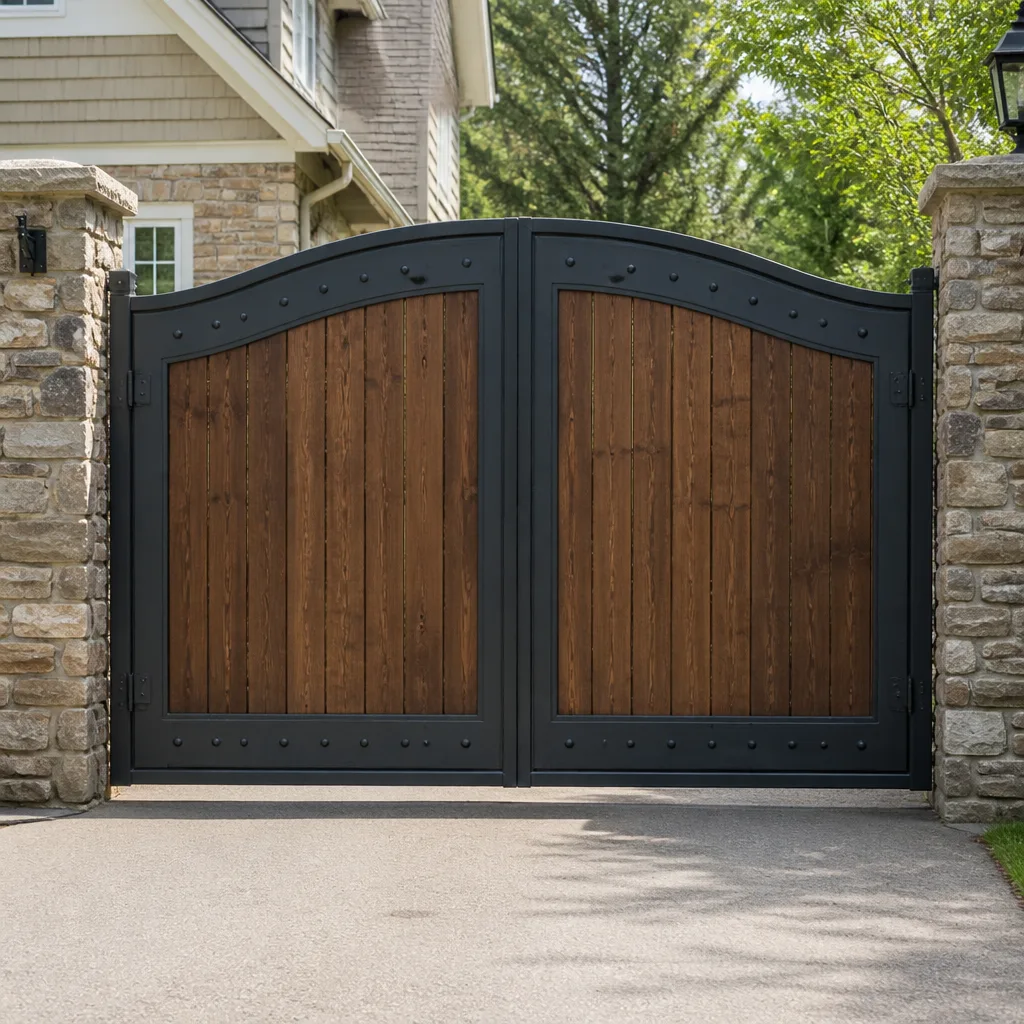 Wood & steel frame
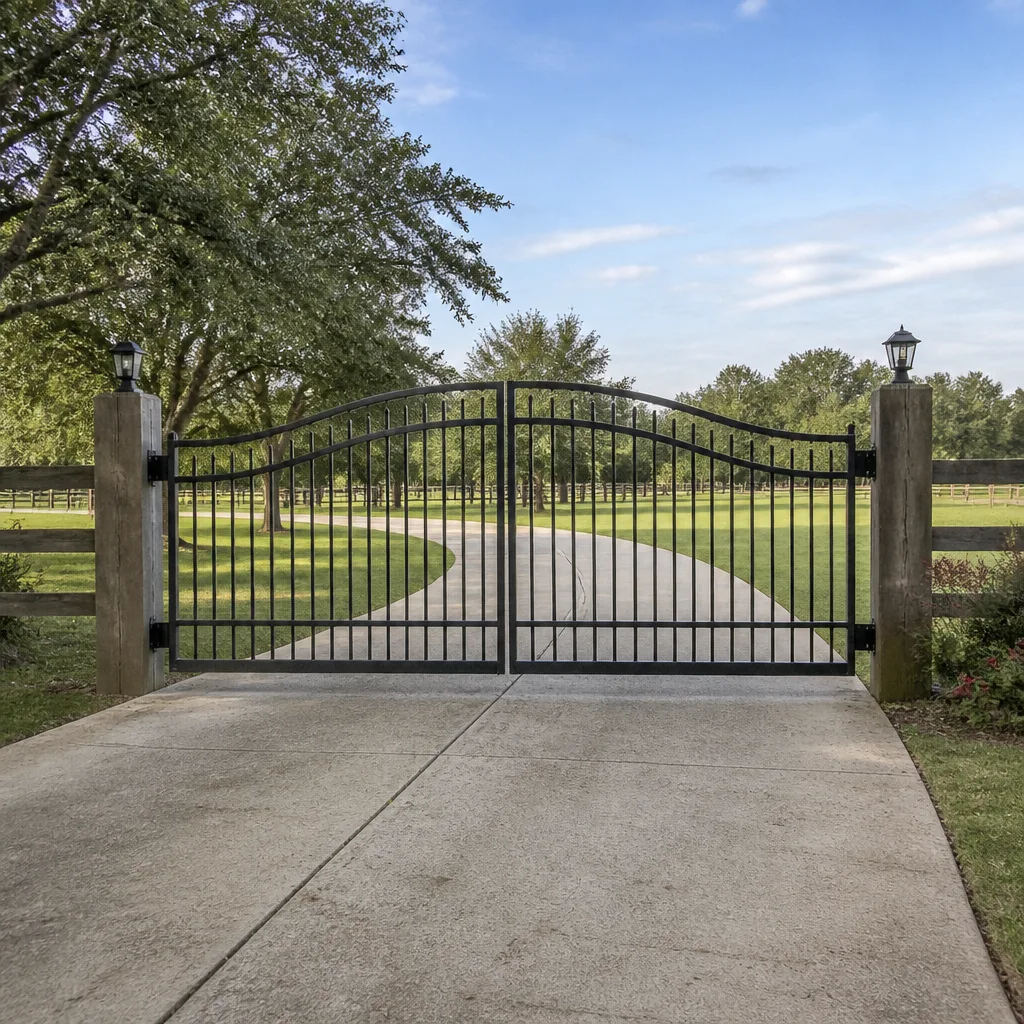 Farm & ranch
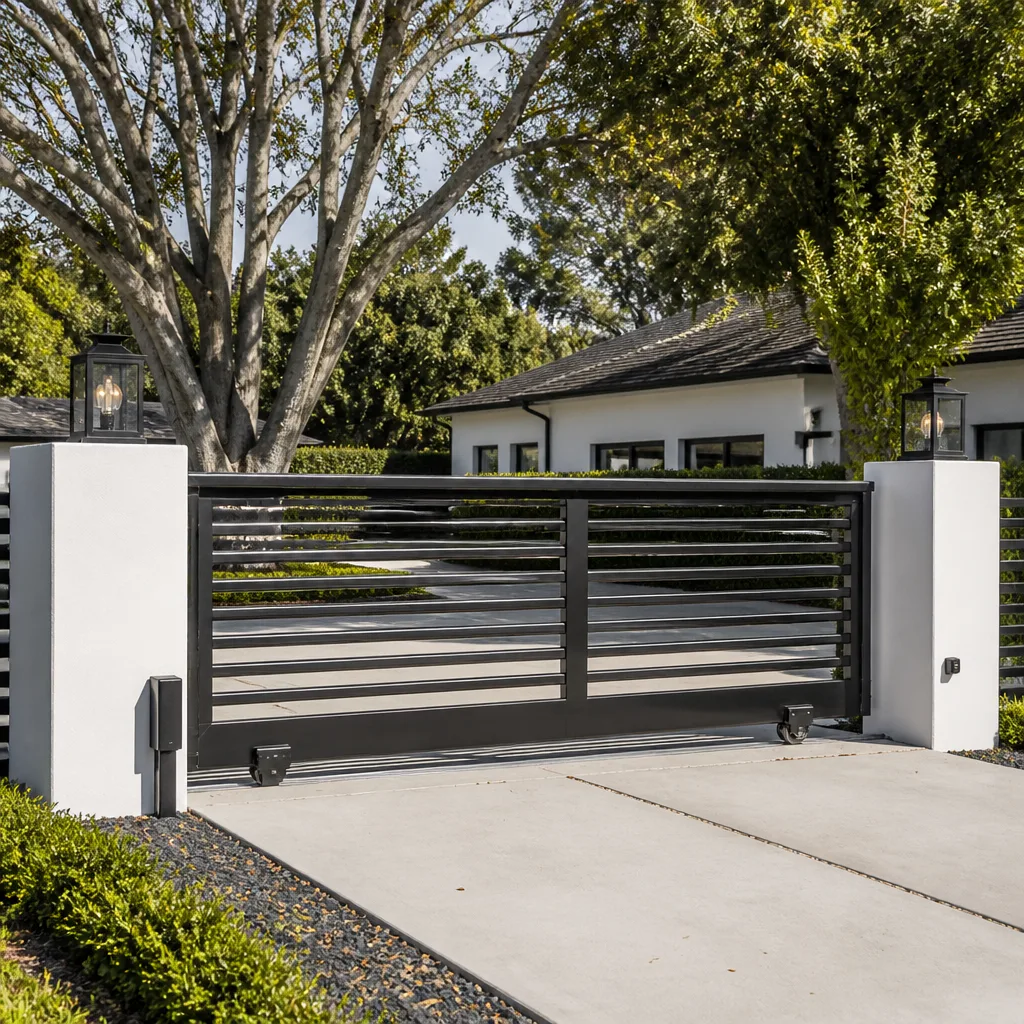 Sliding driveway gates
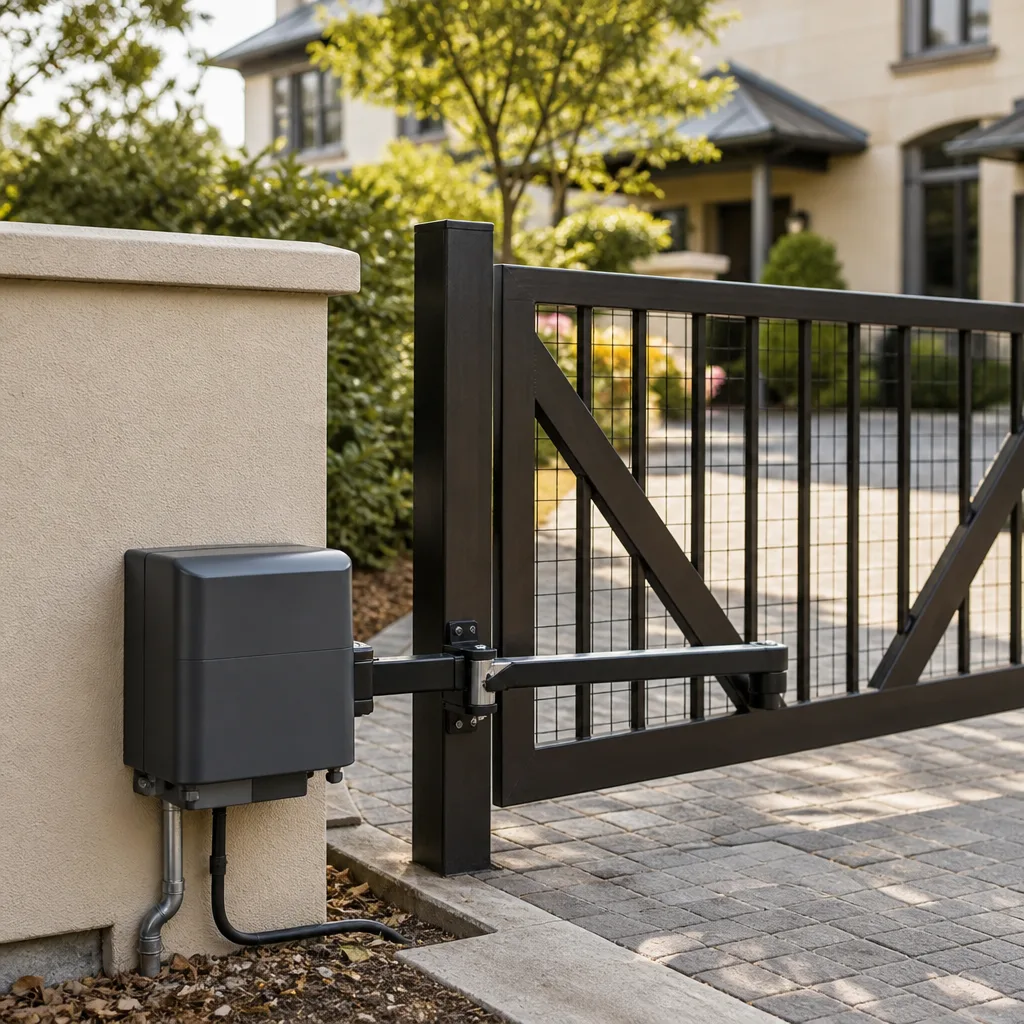 LiftMaster operators
Free on-site gate assessment - hinges, posts, and your LiftMaster or Nice gate operator checked before anything is quoted
The assessment is free and the quote is the invoice.
Get your free estimateGate Repair Permits, Codes & Inspections in Elizabeth, NJ: What You Need to Know
Most property owners assume a permit only matters when a whole new gate goes in. In Elizabeth, that assumption gets expensive. Replacing the operator on a gate that’s been standing for years can pull the job into electrical permit territory even though the panels, posts, and hinges never change. That distinction sits quietly in the paperwork until a sale, a refinance, or a municipal inspection surfaces an unpermitted electrical connection, and then it becomes everyone’s problem at once. This guide walks through which gate projects trigger permits, how the New Jersey Uniform Construction Code interacts with local Elizabeth rules, what UL 325 safety standards inspectors actually check, and where HOA and commercial requirements stack on top. We’ll give you a decision path you can use before you spend a dollar.
Quick Answer
In Elizabeth, NJ, gate repairs that restore an existing gate to working condition (hinges, latches, bent frames, sagging posts) generally do not require a building permit. New gate installations, structural alterations, and any new or replaced electric gate operator that involves wiring or a power connection typically do require permits, often an electrical permit handled by a licensed electrical contractor. Automated gates must also meet UL 325 safety standards, which inspectors verify during the electrical inspection. When in doubt, call the Elizabeth building department before work begins.
Styles & brands we work with
- Wrought iron
- Wood & steel frame
- Farm & ranch
- Sliding driveway gates
- LiftMaster operators
Table of Contents
- Repair vs. Alteration: Where Elizabeth Draws the Line
- Which Gate Projects Trigger a Permit in Elizabeth?
- The Electrical Permit: The Part Everyone Misses
- UL 325 and What Gate Inspectors Look For
- HOA and Commercial Rules in Elizabeth’s Mixed-Use Zones
- A Decision Tree: Does My Project Need a Permit?
- How the Inspection Process Actually Works
- Permits, Records, and Selling an Elizabeth Property
Repair vs. Alteration: Where Elizabeth Draws the Line
The single most important distinction in gate permitting is between a repair and an alteration. A repair restores something to its original working condition. An alteration changes the structure, the footprint, the height, or the way the gate operates. New Jersey’s construction code treats those two categories very differently, and Elizabeth applies that framework to both residential and commercial gate work.
Here’s the practical version. If a gate swings but drags because a hinge has worn out, replacing that hinge is a repair. If the gate has sagged because the post footing has shifted, resetting the footing may be treated as a structural repair, or it may cross into alteration territory depending on how much of the post assembly changes. If you’re widening the opening, raising the gate height, or switching from a manual swing gate to a sliding gate, that’s an alteration and a permit is usually required.
Where property owners get caught is the middle ground. These situations tend to be judgment calls:
- Replacing a gate panel with an identical or near-identical one on the same posts and hinges: usually a repair, no permit.
- Rebuilding a gate frame that’s rotted or bent, reusing the same posts and dimensions: often treated as a repair, but confirm with the building department.
- Changing the gate material (wood to aluminum, for example) on the same opening: this can be classified as an alteration because the weight and load change.
- Adding automation to a manual gate: the gate itself may not need a building permit, but the operator and wiring almost always need an electrical permit.
- Replacing a failed operator with a new unit: electrical permit territory, even though the gate structure is untouched.
We’ve seen the classification question come up most often in Elizabeth’s denser residential blocks, where a gate often shares a property line, a shared driveway, or a fence run with a neighbor. In those cases even a “simple” repair can raise a boundary question, and it’s worth a phone call to the city before the work starts rather than after. The people who do the actual gate repair in Elizabeth know this pattern well; the ones who don’t are the ones who end up explaining a stop-work order to a client.
Which Gate Projects Trigger a Permit in Elizabeth?
Permit triggers split cleanly into three buckets: structural, electrical, and site-related. Most projects touch only one. The confusing ones touch two or three.
Structural triggers
A building permit is generally required when the gate work changes the structure itself. That includes:
- Installing a new gate where none existed before.
- Changing the gate’s dimensions, height, or opening width.
- Replacing posts or footings, especially when the new post is a different size or sits in a different location.
- Changing the gate type (swing to slide, single to double, manual to automated, etc.).
- Adding or modifying a gate that forms part of a property boundary or fence line where setbacks or height limits apply.
Electrical triggers
Any new or replaced gate operator that connects to line voltage needs an electrical permit, and that permit has to be pulled by a licensed electrician in most cases. This is true whether the gate is residential or commercial. It’s also true whether the operator is a LiftMaster unit on a residential driveway or a DoorKing system on a commercial lot. Swapping in a new operator to replace a dead one triggers this, even though nothing about the gate itself changed.
Site-related triggers
Less obvious but worth flagging: if the gate installation touches a retaining wall, a shared property line, a drainage path, or a flood-zone edge, additional review can enter the picture. Elizabeth has areas where stormwater flow matters, and a solid gate that blocks a drainage channel can technically be a site plan issue. That’s rare but real.
When a project lands in any of these three buckets, the smart move is to call the Elizabeth building department with a one-sentence description of what’s changing. They’ll tell you whether you need a permit faster than any contractor can guess.
The Electrical Permit: The Part Everyone Misses
Adding automation to a manual gate is the most common “I didn’t know I needed a permit” scenario we encounter. A property owner decides they want an automated driveway gate, buys a Mighty Mule or Elite operator kit, and assumes the work is no different from swapping a garage door opener. It isn’t. The operator connects to the home’s electrical system, runs low-voltage control wiring, and typically involves a photo-eye or safety-edge circuit. That’s electrical work, and Elizabeth expects it to be permitted and inspected.
Replacing a failed operator is the same story. Even when the gate, posts, and hinges are untouched, installing a new operator means new wiring, new power connections, and new safety circuits. A straight like-for-like swap still needs the electrical permit because the electrical connection itself is the thing being inspected. If the new operator draws more current than the old one or requires a new circuit, that adds to the scope.
What this means in practice:
- The electrical permit is usually filed separately from any building permit and often by a different contractor (the electrician, not the gate installer).
- The permit keeps an unbroken record of who did the wiring and when, which matters for resale and insurance.
- The inspection happens after wiring is complete but before the operator is in normal service, so the inspector can see the safety components in place.
- Skipping the permit doesn’t make the work invisible. It just makes the record vanish until someone asks for it.
We work with electric and motorized gate systems as a core specialty, not an add-on, and we see the electrical permit issue from both sides: the operator install and the inspection. When we’re quoting electric gate repair that involves a new or replaced operator, we tell clients upfront that the electrical permit is part of the job. It’s cheaper to plan for it than to discover it during a sale.
One important safety note: gate operator wiring and power connections involve line voltage and low-voltage safety circuits that interact with heavy moving panels. This is not a do-it-yourself job. A properly trained electrical contractor should pull the permit and do the connection, and the gate technician should handle the mechanical and safety setup. Trying to shortcut either step is how people get hurt or inspectors fail the job.
UL 325 and What Gate Inspectors Look For
UL 325 is the safety standard that governs automated gate operators in the United States, and New Jersey inspectors apply it to residential and commercial automated gates alike. Its job is to make sure a motorized gate can’t crush, pinch, or trap a person, vehicle, or animal. Every operator we install or service, whether it’s a LiftMaster residential unit or a commercial DoorKing slide operator, needs to meet UL 325 in the way it’s set up, not just in the model number on the box.
Here’s what inspectors actually look at during the electrical inspection:
- Primary entrapment protection. A photo-eye or equivalent non-contact sensor at the gate’s travel path. If the beam is broken, the gate must stop or reverse.
- Secondary entrapment protection. Edge sensors, safety edges, or monitored contact sensors that trigger a reversal when the gate meets resistance.
- Reversal behavior. When the gate hits an obstruction, it needs to reverse or stop within the standard’s required travel distance.
- Placement of sensors. Photo-eyes placed where the gate’s pinch points actually are, not where they’re convenient.
- Control placement. The operator’s control must be positioned so the user has a clear line of sight to the gate.
- Warning signage. Gate operators are required to have warning signs mounted where they’re visible from both sides of the gate.
- Manual release. The gate must be able to be manually released in a power failure.
We’ve seen inspections fail on sensor placement more than anything else. A photo-eye mounted two feet too high misses a child. A safety edge wired but not monitored doesn’t register a fault. Those fail the inspection because the gate isn’t set up to meet the standard, not because the hardware is wrong. Gate-only specialists get this right the first time; generalists often don’t.
If you’re in Elizabeth and adding automation to a gate, plan to have the operator installed, wired, and adjusted before the electrical inspection. The inspection isn’t a paperwork formality. It’s a functional test.
HOA and Commercial Rules in Elizabeth’s Mixed-Use Zones
Municipal code is only one layer. In Elizabeth’s mixed-use areas, where residential blocks butt up against storefronts and light industrial properties, HOA rules and commercial lease requirements can add a second and third layer on top of what the city requires. We’ve seen properties where the city permit cleared in a week and the HOA review took a month.
What these extra layers typically cover:
- Gate style and material. Many HOAs restrict the color, height, and finish of driveway and side gates so they match the community’s look.
- Automation and noise. Some HOA documents address whether an automated operator is permitted and what noise level it can produce at the property line.
- Commercial egress. Light commercial properties in mixed-use zones often have gate requirements tied to fire egress and pedestrian safety. A gated lot needs a clear exit path that stays operable.
- Shared access. Properties that share a drive or gate with a neighbor need agreed access rights in writing. That’s not technically a permit issue, but it becomes one if a dispute reaches the city.
- Insurance and liability. Commercial landlords often carry insurance requirements specific to automated gates, and documentation of UL 325 compliance helps with those renewals.
For commercial and light industrial properties in Elizabeth, we recommend keeping a project file with the permit, the operator spec sheet, the UL 325 compliance details, and any inspection sign-off. It’s the difference between a smooth conversation with a landlord’s insurer and a messy one. Single-trade focus pays off here too: because every job we take is a gate job, the records stay clean and specific, and the person who diagnosed the system is the same person who knows the operator’s model and setup.
If your property is under an HOA or commercial landlord, ask before you order hardware. Changing your mind after the gate is installed is expensive. Questions before ordering it are free.
A Decision Tree: Does My Project Need a Permit?
Use this path to sort your project before you call anyone. It’s not a substitute for the Elizabeth building department’s answer, but it gets you into the right conversation.
Step 1: Is the gate structure changing?
- No (same panels, same posts, same opening): go to Step 2.
- Yes (dimensions, posts, gate type, material change): go to Step 4.
Step 2: Is there an electric operator involved?
- No (manual gate repair, latch, hinge, alignment): likely no permit. Proceed with repair.
- Yes, and it’s already installed: go to Step 3.
- Yes, and it’s new or being replaced: electrical permit required. Go to Step 5.
Step 3: Is the operator being repaired, replaced, or rewired?
- Repair (adjusting travel limits, replacing a battery in a low-voltage operator, resetting a control board): usually no permit.
- Replacement or new wiring connection: electrical permit required. Go to Step 5.
Step 4: Structural change confirmed. Building permit required. Bring a simple plan or description of the change to the Elizabeth building department and confirm scope. If the project also involves an operator, add the electrical permit.
Step 5: Electrical permit required. A licensed electrician pulls the permit, wires the operator, and the work gets inspected for UL 325 compliance before it goes into normal service. Coordinate the gate install with the electrician so the mechanical setup is complete when the inspector arrives.
Step 6: Any HOA, commercial, or shared-property layer? Confirm with your HOA board or landlord before ordering hardware. If there’s a shared driveway or property line, get written agreement from the neighbor.
The pattern: manual repair is usually simple, structural change is always a permit, and anything electrical is always a permit. When in doubt, that third rule catches almost everything.
How the Inspection Process Actually Works
The inspection is not a surprise. If the permit was filed correctly, the process follows a predictable sequence, and the smoother it goes, the less it costs. Here’s what it looks like on a typical Elizabeth gate project.
- Permit application. The electrician or contractor submits the application with a scope of work. For structural work, that’s a drawing or clear description. For electrical, it’s the operator model, the circuit it will connect to, and the safety devices.
- Permit issuance. The city reviews and issues the permit. Timelines vary with workload, so plan a buffer.
- Wiring and physical installation. The gate and operator get installed. Wiring is done to the permit scope. Photo-eyes, safety edges, control placement, and manual release are all in place.
- Inspection. The inspector visits, verifies the work matches the permitted scope, tests reversal behavior and sensor function, checks the warning signage, and signs off (or issues corrections).
- Corrections if needed. If the inspector flags a sensor placement, a wiring issue, or a missing sign, the correction is made and a re-inspection is scheduled.
- Sign-off on record. The permit closes, and the sign-off is recorded with the property.
Where clients lose time is Step 3, not because of the gate, but because the electrical contractor and the gate technician aren’t talking to each other. The electrician finishes the wiring, the gate tech shows up a week later to set the travel limits and sensors, and the inspector arrives before the operator is actually set up. Our approach is to sequence both parts so the inspection sees a complete system, not half of one. That’s the practical payoff of gate-only focus: we know what the inspector needs to see from the mechanical side, and we can coordinate the electrical side to match.
If your gate repair in Elizabeth involves an operator and the electrical permit wasn’t filed in advance, this is where the process goes sideways. Get the permit before the work starts, not after.
Permits, Records, and Selling an Elizabeth Property
Here’s the section that saves people years of pain. Permit records follow the property, not the person. That means if a previous owner added an automated gate to an Elizabeth home without the electrical permit, the record surfaces during a title search, a buyer’s inspection, or a lender’s review. And the current owner gets to solve it.
What typically happens during a sale or refinance:
- A title search or disclosure turns up unpermitted electrical work on an automated gate.
- The buyer’s inspector flags a UL 325 safety feature that’s missing or not functioning.
- The lender requires documentation that the electrical connection was inspected.
Fixing it after the fact is doable but slower and messier than doing it right the first time. The electrician has to retro-permit the work, the operator needs to be brought to current UL 325 standards, and the inspection has to happen while the property is under contract. It’s the definition of a bad time to be doing this.
The cleanest path is the one that keeps permits attached to the property from day one. When a new gate system goes in, or an operator gets replaced, keep the following in a folder:
- Permit application and approval paperwork.
- Inspection sign-off with the inspector’s name and date (attached to the permit, not the property owner).
- Operator spec sheet and UL 325 compliance documentation.
- Any manufacturer’s manual and safety instructions.
- HOA approval or commercial lease sign-off, if applicable.
When buyers and lenders see a clean record, they move on. When they don’t, they ask questions that cost time. That’s the sales argument for doing the permit, and it’s worth more than the permit fee.
Common Mistakes to Avoid
- Assuming an operator replacement is “just a repair.” It isn’t. Any new or replaced operator with line-voltage wiring requires an electrical permit in Elizabeth, even when the gate structure is untouched.
- Skipping the permit to save money. The permit fee is a fraction of the cost of retro-permitting an automated gate during a home sale, and it’s the permit that keeps the record clean.
- Letting the electrician and gate tech work in isolation. If the wiring is done but the safety sensors aren’t set up when the inspector arrives, the inspection fails and the work gets re-scheduled.
- Mounting photo-eyes in the wrong place. Sensors need to sit at the actual pinch points of the gate’s travel. High-mounted or off-center sensors fail UL 325 inspection.
- Ignoring HOA or commercial lease rules until after hardware is ordered. A gate that meets Elizabeth code can still violate HOA documents or a lease, and that’s a fight you can’t win after the fact.
- Forgetting warning signage and manual release. Both are small items that inspectors check every time, and both are easy to forget when the focus is on the operator.
- Assuming shared-driveway gate work is purely a private matter. If the gate crosses a shared property line, the neighbor’s agreement in writing is worth more than a handshake when questions arise.
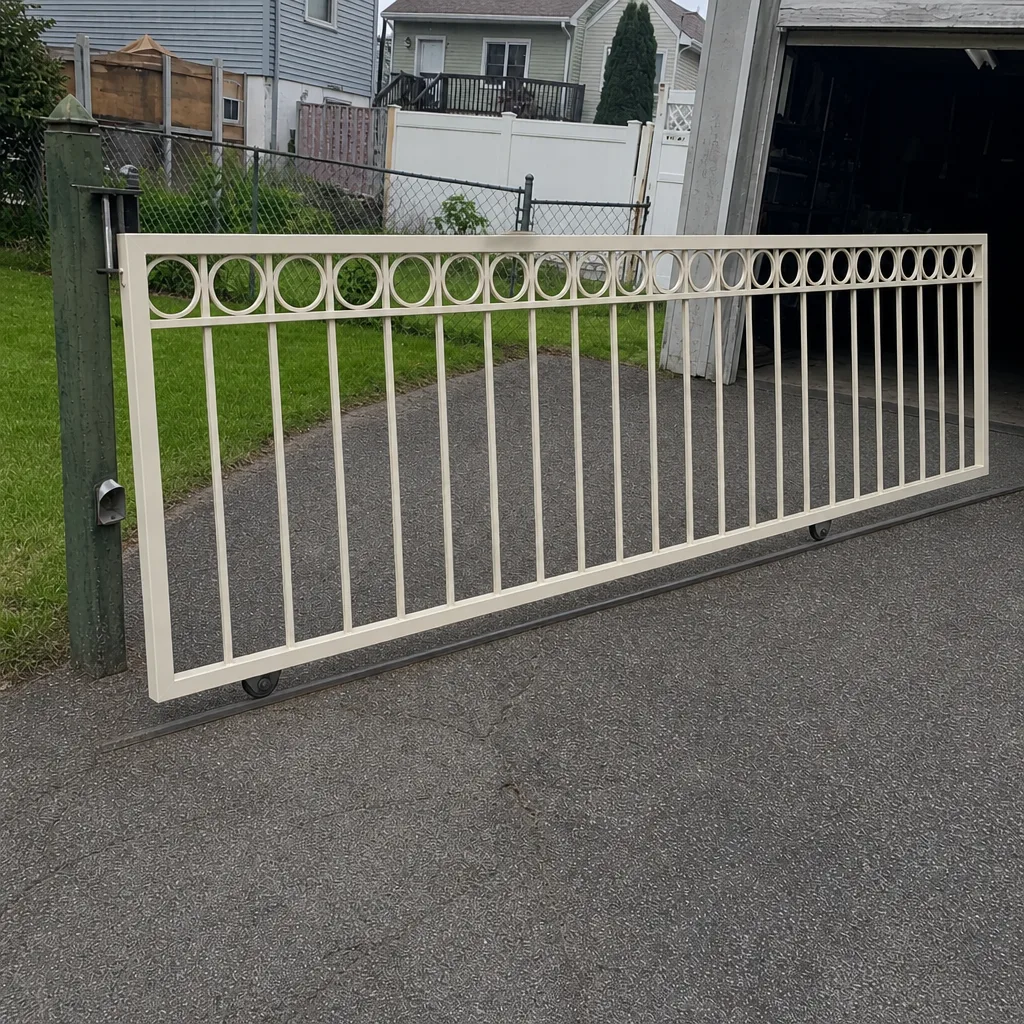
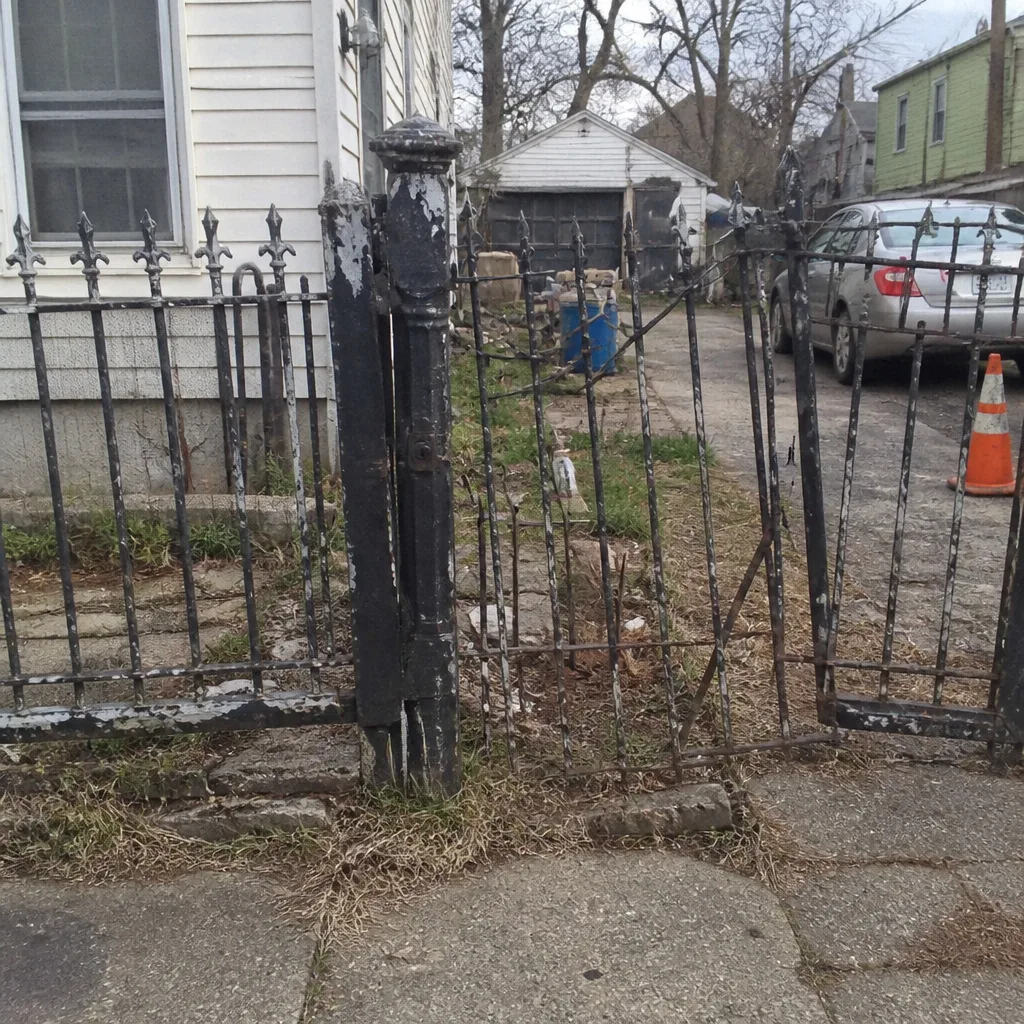
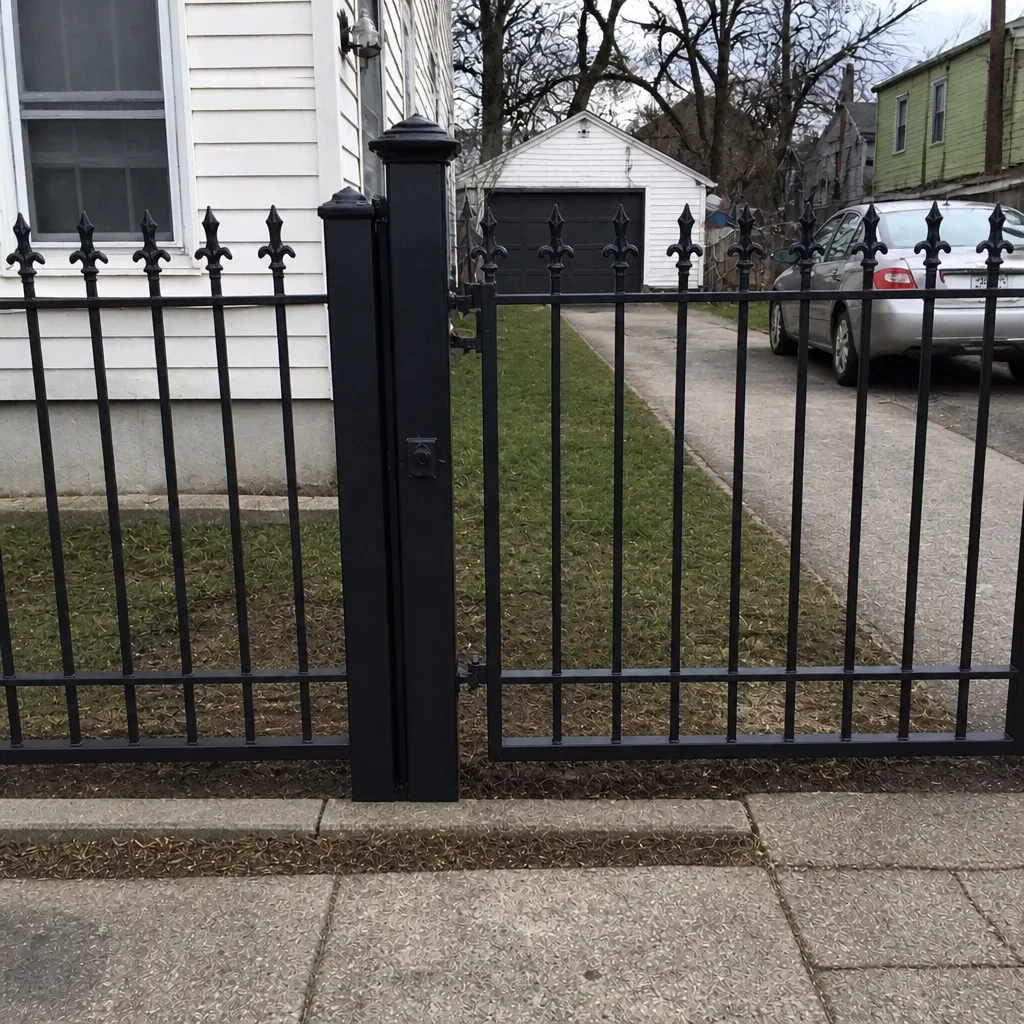
See the difference
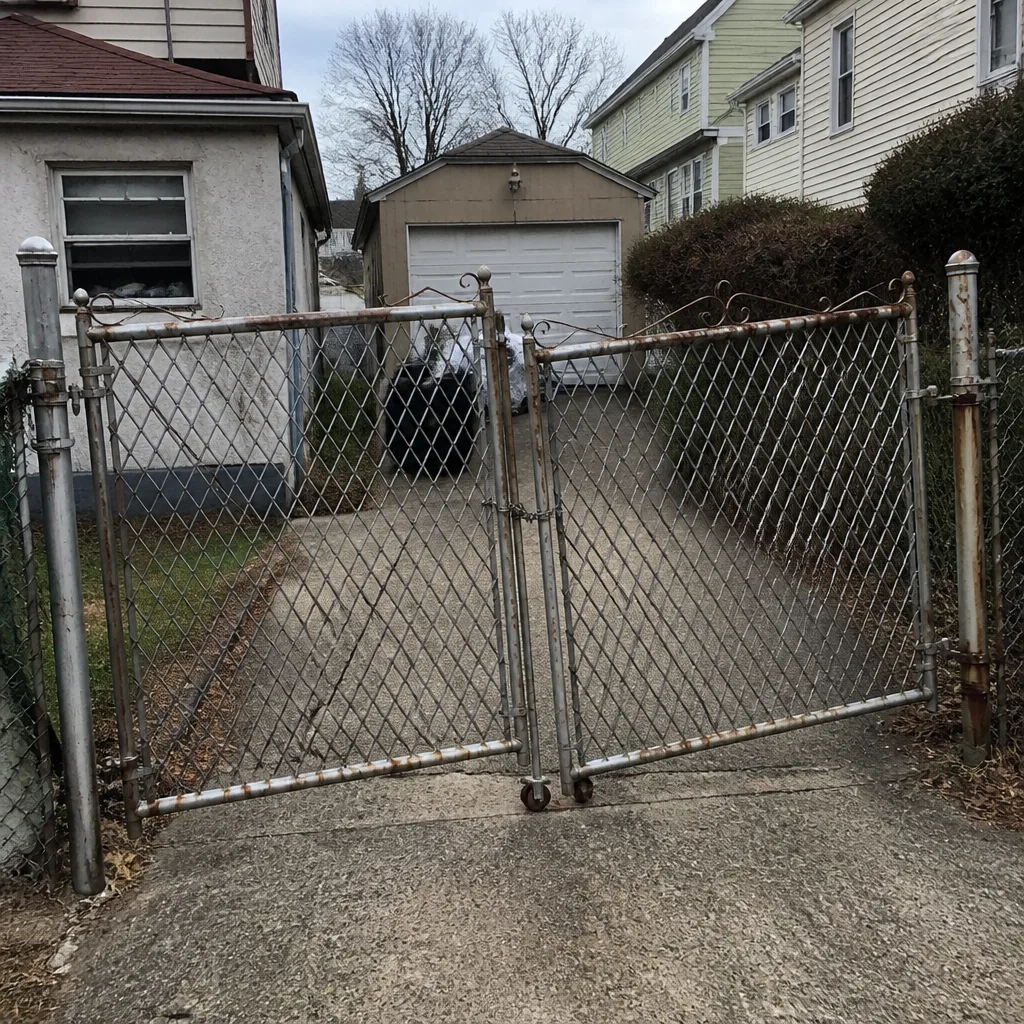 Before
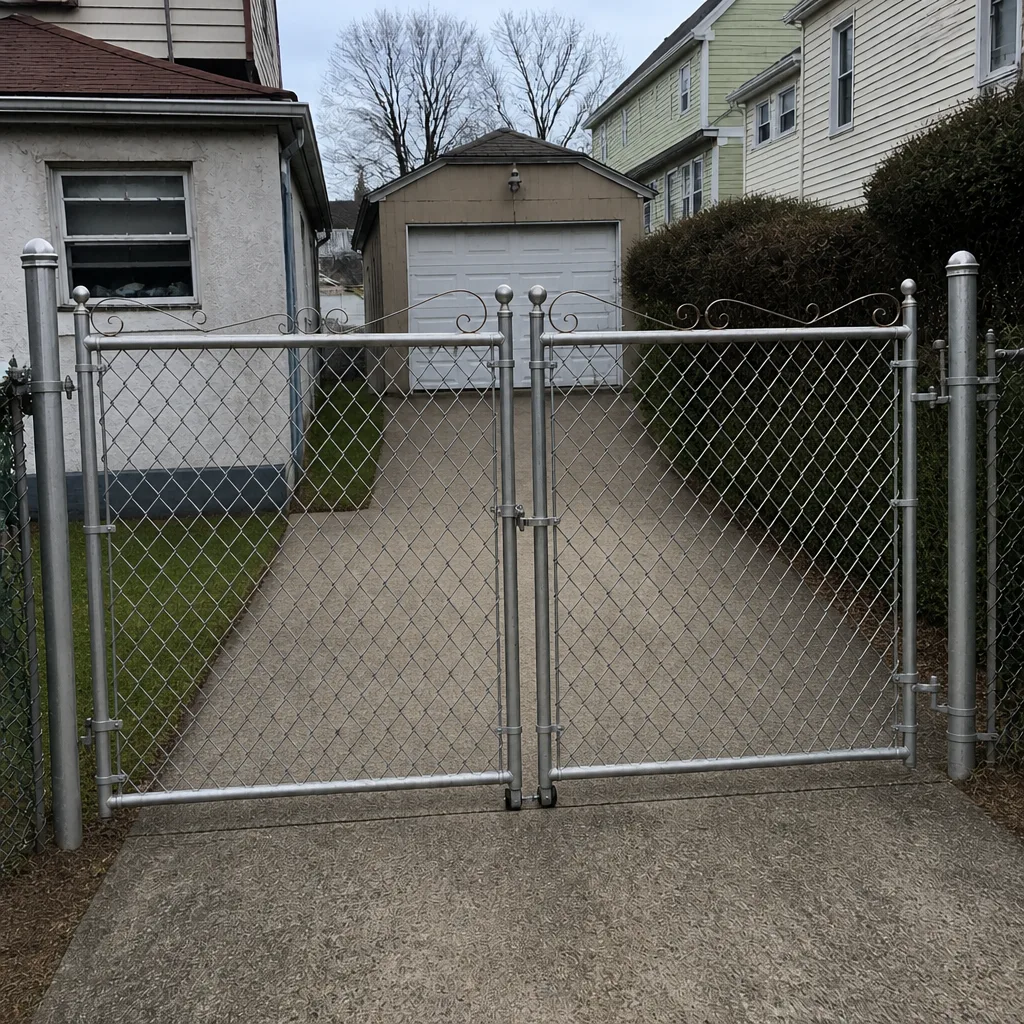 After
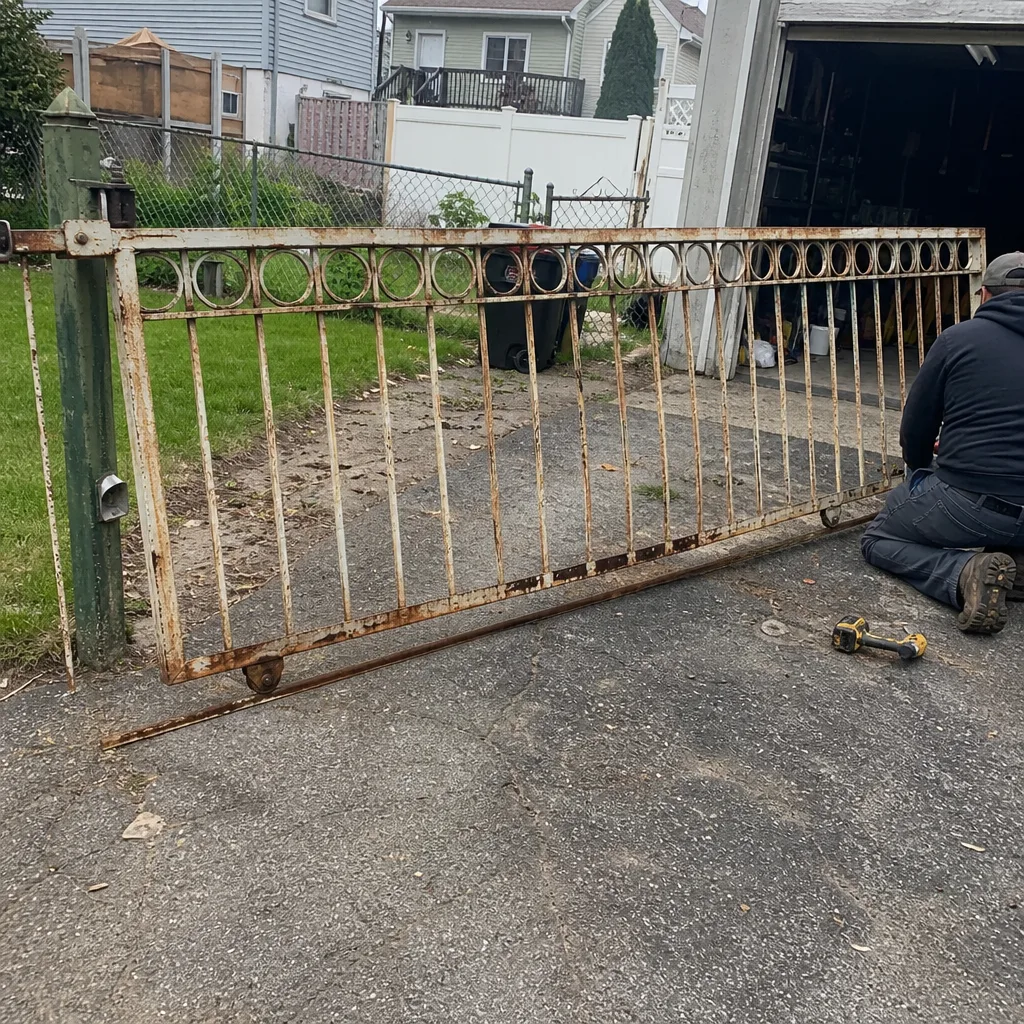 Before
 After
 Before
 After
When to Call a Professional
If your gate project involves an automated operator, an electrical connection, a structural change, or anything near a shared property line, get a professional involved before the first screw goes in. Same if you’re planning to sell an Elizabeth property and can’t find permit records for a gate that was installed before you owned it. Gate work that involves line voltage, heavy moving panels, and safety sensors is not a weekend DIY project. A technician with a background across multiple operators (we work regularly with LiftMaster, Mighty Mule, Elite, and DoorKing systems) can diagnose what’s involved and coordinate with the electrical side. Gate Repair Elizabeth offers free estimates in Elizabeth. Call (844) 654-1710. We answer 24/7. Fast dispatch from 7am to 7pm, Sunday through Friday.
Frequently Asked Questions
Yes, replacing a gate operator usually requires an electrical permit in Elizabeth, because the operator connects to line voltage and includes safety circuits that must be inspected for UL 325 compliance. A licensed electrician typically pulls the permit. The gate’s structure usually doesn’t need a building permit as long as the gate itself isn’t changing. Call (844) 654-1710 to talk through your specific operator – estimates are free.
In most cases, no. A manual gate repair that restores the existing gate to working condition (hinges, latches, alignment, hinge-side post adjustments) generally doesn’t require a building permit. If the repair involves changing the gate’s structure, dimensions, or type, a permit may be needed. Confirm with the Elizabeth building department before starting any structural work. Call (844) 654-1710 for a free estimate on the repair itself.
UL 325 is the safety standard for automated gate operators in the US, and it requires measures like photo-eye sensors and safety edges to prevent entrapment. Elizabeth inspectors check for UL 325 compliance during the electrical inspection: sensors at the gate travel path, reversal behavior on obstruction, proper signage, and a working manual release. Any automated gate that hasn’t been set up to the current standard can fail inspection. Call (844) 654-1710 and we’ll check your current setup.
You can install the gate hardware yourself if it’s strictly mechanical, but the electrical connection and UL 325 safety configuration should be handled by a licensed electrician and a trained gate technician. Line voltage, entrapment sensors, and reversal behavior are not DIY-safe, and the work still requires an electrical permit. Getting it wrong risks injury and a failed inspection. Call (844) 654-1710 for a free estimate on professionally installed automation.
Yes, often. HOAs frequently restrict gate style, height, color, and even whether automation is allowed, and these rules run in parallel with municipal code. A gate that’s fully permitted by Elizabeth can still violate HOA documents. Review your HOA guidelines before ordering hardware. Commercial properties face similar restrictions through their leases and insurer requirements. Call (844) 654-1710 to discuss your specific situation.
The unpermitted work becomes a problem for the current owner when it surfaces during a title search, a sale, a refinance, or an insurance review. The fix is to retro-permit the work: the electrician files the permit, the operator is brought up to current UL 325 standards, and the inspection happens. It’s doable, but it’s easier to address before it becomes urgent. Call (844) 654-1710 for a free estimate and we’ll walk you through the retro-permit path.
The Bottom Line
Elizabeth’s gate permit picture isn’t as confusing as it seems once you sort it into three buckets. Manual repair of an existing gate is usually permit-free. Structural changes need a building permit. Any electrical connection (including operator replacement) needs an electrical permit and a UL 325 inspection. Add HOA, commercial lease, and shared-property layers on top where they apply. The permit record follows the property, so it pays for itself at resale even when nothing goes wrong. If your project touches more than one bucket, call the Elizabeth building department, get the sequence right, and hire gate-only specialists who know the safety standards inside and out. That’s how you keep the project moving and keep the record clean.
Our technicians have up to 14 years of experience with residential and light commercial gates. If you’re sorting through a gate permit question in Elizabeth or coordinating an operator install, we’re here to help. Call (844) 654-1710 for a free estimate. We answer 24/7. Fast dispatch from 7am to 7pm, Sunday through Friday. See our Gate Repair Elizabeth page for the full service overview, or learn more about Elizabeth and the surrounding area.
Written by the team at Gate Repair Elizabeth.