
Last updated November 15, 2026
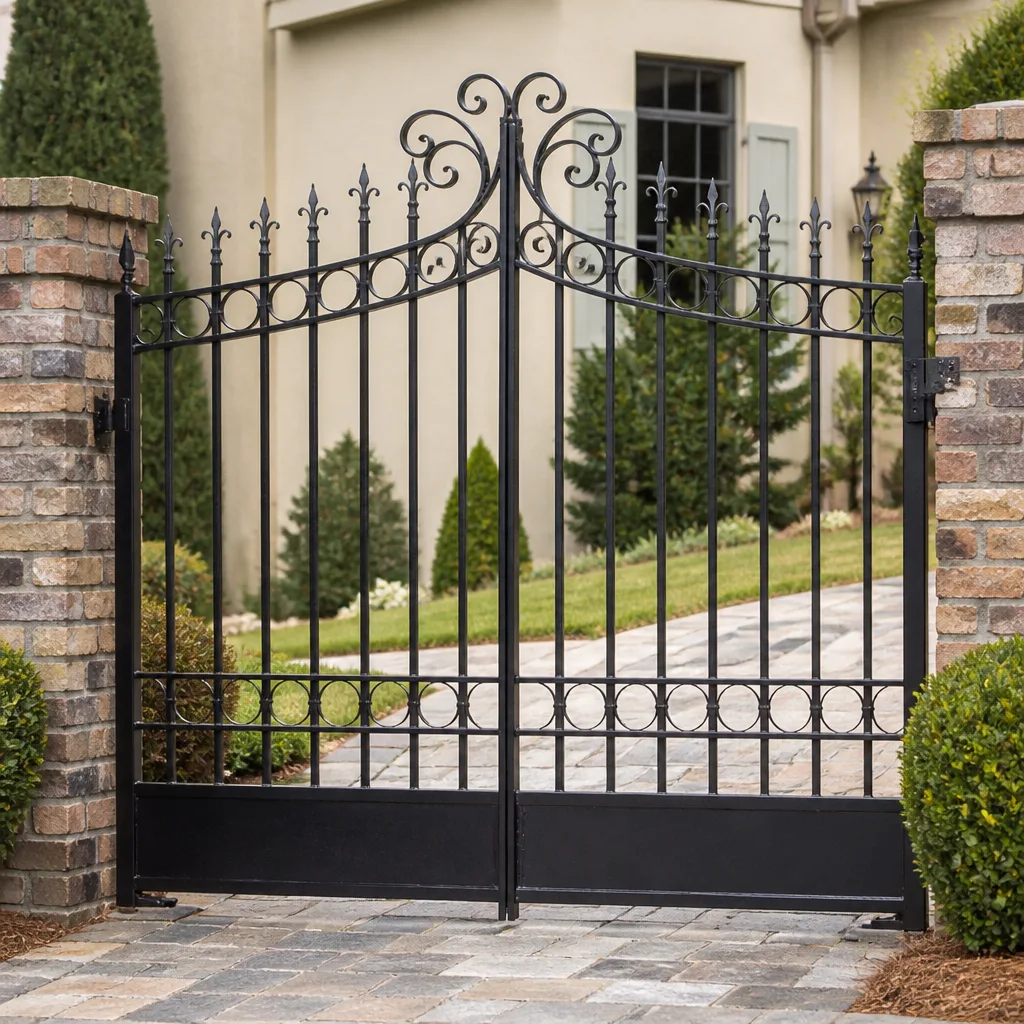 Wrought iron
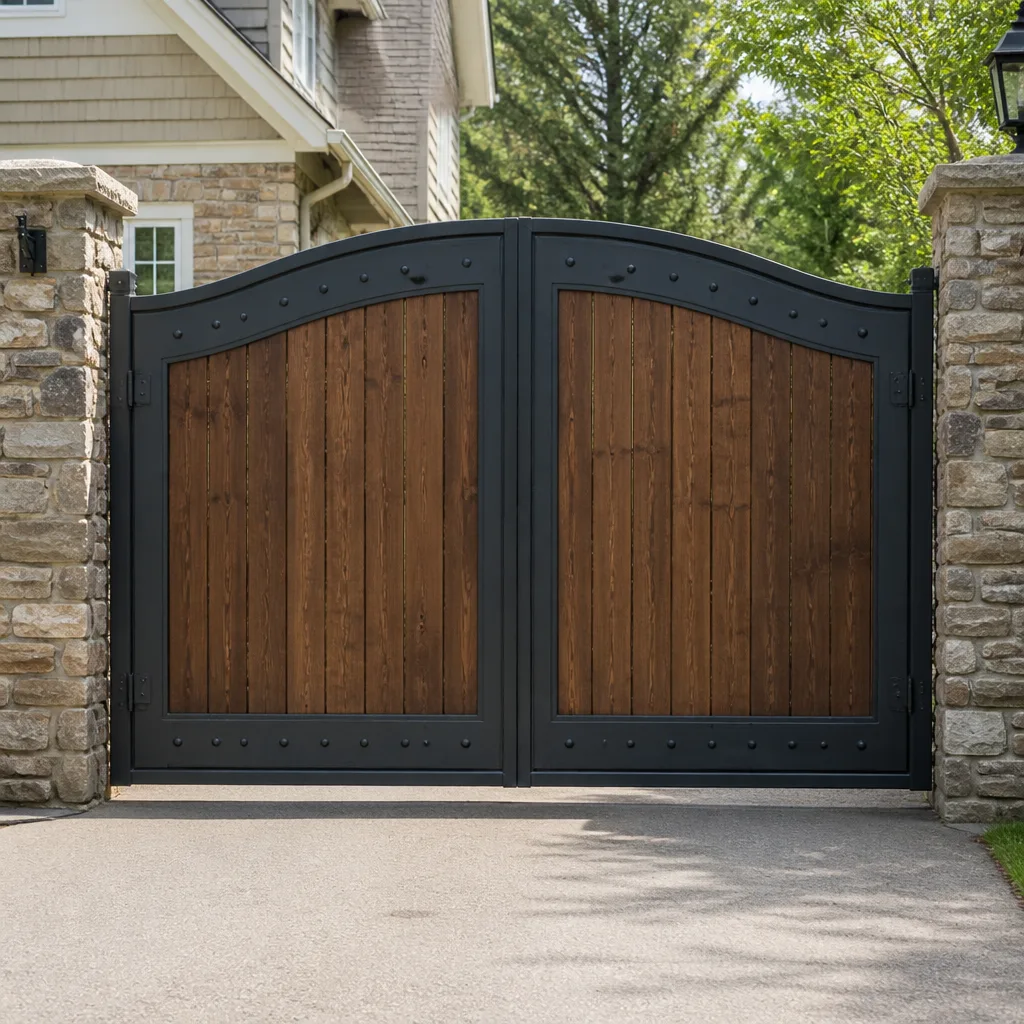 Wood & steel frame
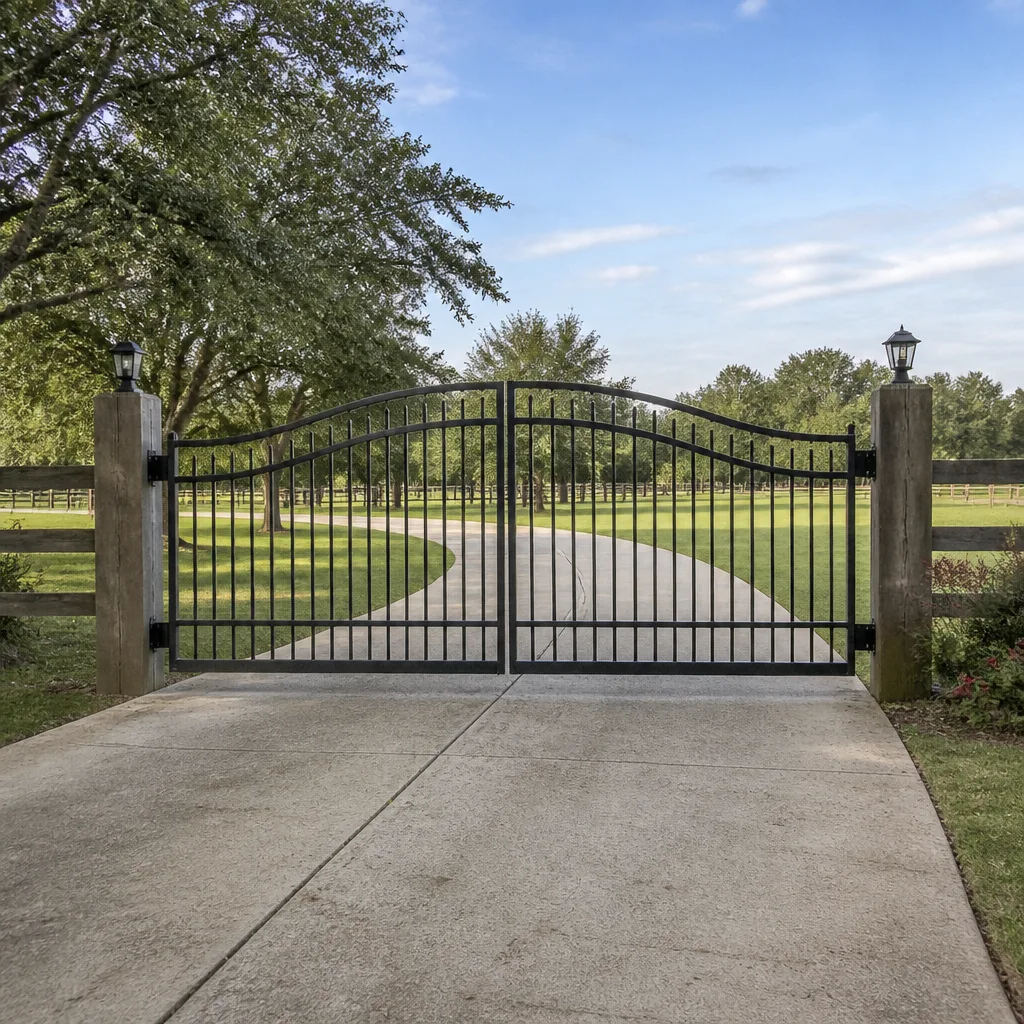 Farm & ranch
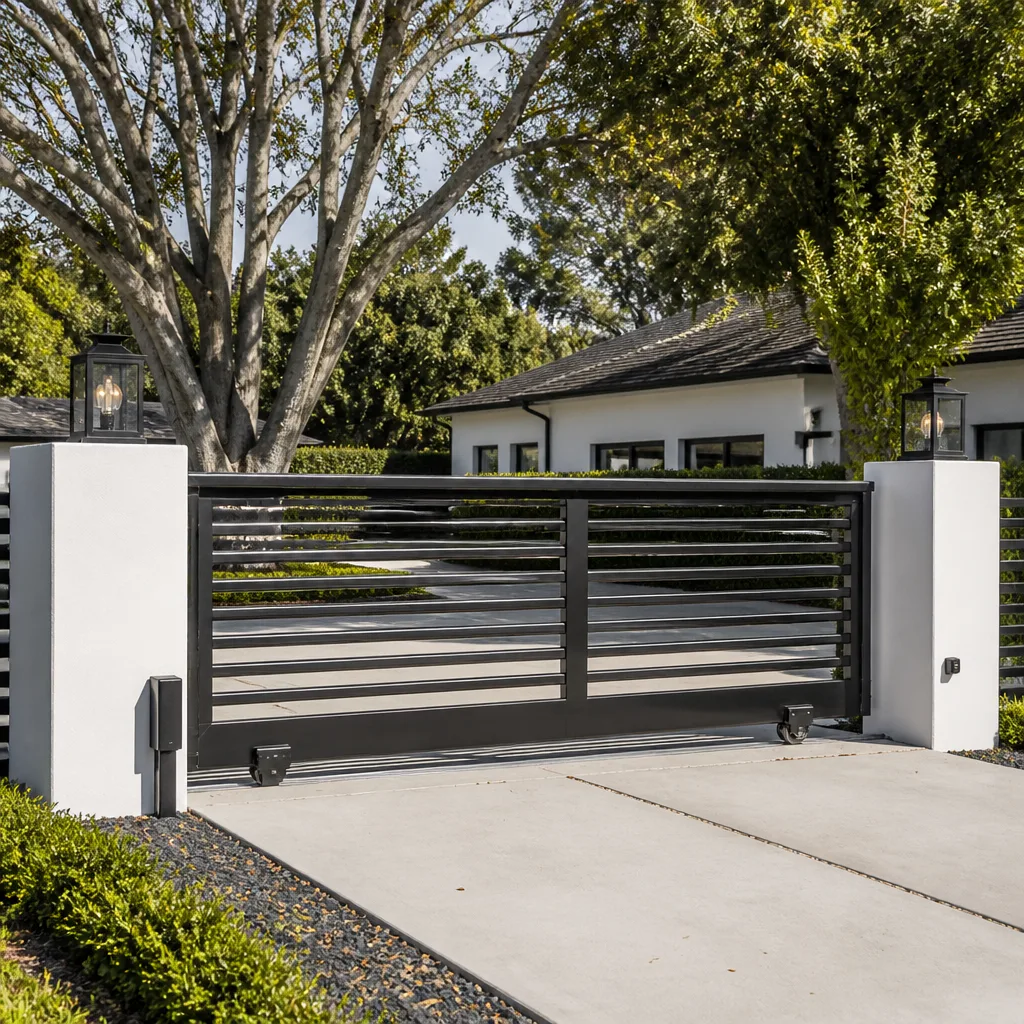 Sliding driveway gates
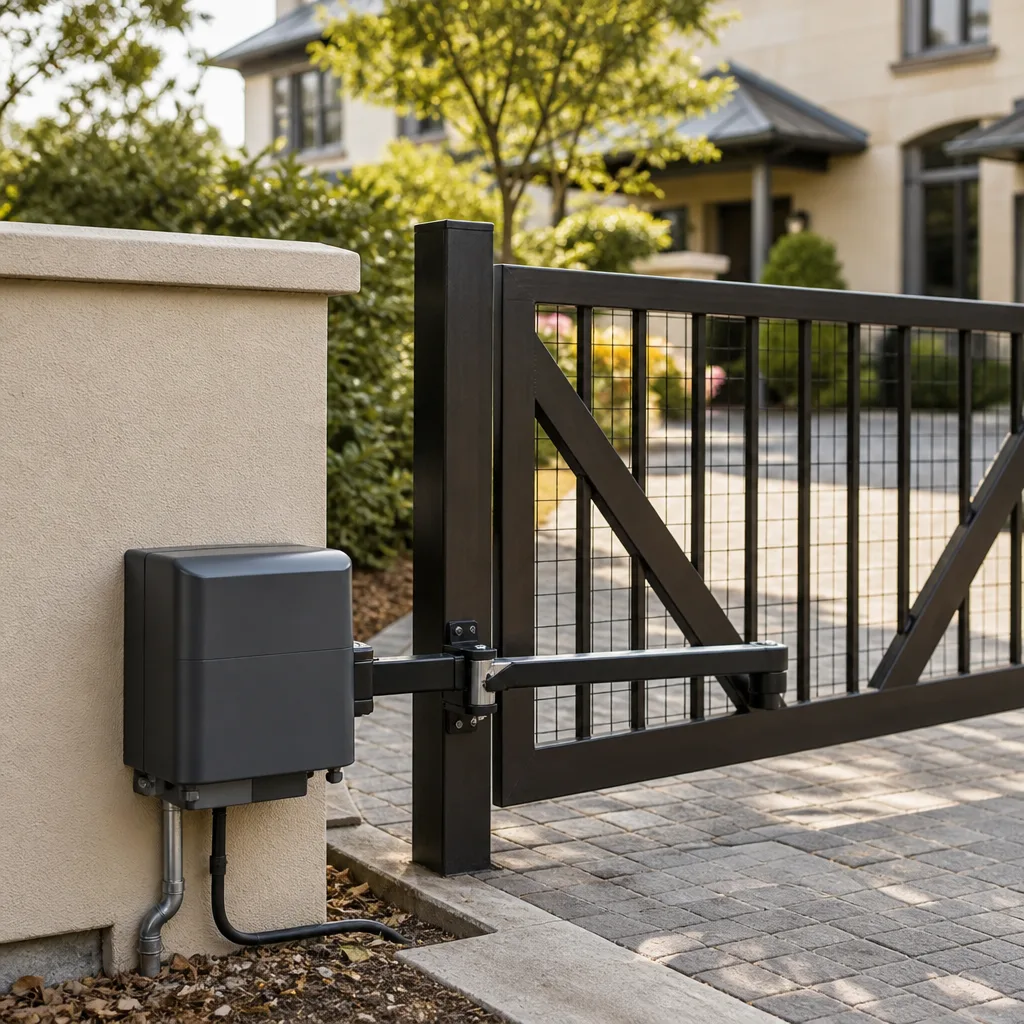 LiftMaster operators
Free on-site gate assessment - hinges, posts, and your LiftMaster or Nice gate operator checked before anything is quoted
The assessment is free and the quote is the invoice.
Get your free estimateHow to Hire a Gate Repair Contractor in Elizabeth: A Step-by-Step Guide
Ask any contractor you’re considering this question: “What’s the difference between the LiftMaster LA400 and LA500 operator?” If they can’t answer it fluently, they’re learning on your gate. That’s the uncomfortable truth about hiring in this trade. Most property owners vet for insurance and a clean van, then hand over a system the technician has never diagnosed before. The real risk isn’t a background check that comes back wrong. It’s a general handyman or fence contractor who treats gate repair as a side job and guesses at brand-specific parts and programming. This guide teaches you how to interview for genuine gate expertise in Elizabeth before anyone touches your operator, hinges, or access control.
Quick Answer
To hire a gate repair contractor in Elizabeth, interview for gate-only experience rather than general contracting credentials: ask brand-specific diagnostic questions, confirm the contractor actually works on your operator’s make, and insist on a written estimate with identified parts before work starts. A specialist who diagnoses your system by name gives you correct parts and correct programming the first time; a generalist gives you return visits.
Styles & brands we work with
- Wrought iron
- Wood & steel frame
- Farm & ranch
- Sliding driveway gates
- LiftMaster operators
Table of Contents
- Why Gate-Only Experience Beats General Contracting Credentials
- The Five-Question Vetting Script That Separates Specialists From Generalists
- What Licensing and Insurance Actually Applies to Gate Repair in New Jersey
- Dealer-Authorized Tech vs. Independent Specialist: When Each Matters
- Red Flags in a Gate Repair Quote
- How to Structure a Fair Gate Repair Contract
- Hiring for Electric and Automated Gate Work Specifically
- Questions to Ask Before You Book the Visit
Why Gate-Only Experience Beats General Contracting Credentials
A gate system is not a fence with a motor bolted on. It’s a mechanical assembly, an electrical circuit, and an access-control device sharing the same frame, and each part fails in ways that only show up on that specific brand and model. A technician who spends every working day on gates reads those failures quickly. A handyman who splits his week between decks, doors, and fencing reads them slowly, or not at all. In our experience, the difference shows up on the second visit, not the first.
Elizabeth properties sit on a mix of lot types, and that matters for how a gate is set up and how it wears. Older residential blocks near the Elmora and Elizabethport sections often have narrow driveways where a swing gate has to stop short of the sidewalk, and light commercial properties along the corridors closer to the port handle vehicle traffic all day. Neither situation rewards guesswork. A slide gate on a commercial entrance that gets opened two hundred times a day needs its operator limits and safety edges set correctly, or it will be back out of adjustment within weeks.
General contractors bring useful skills to a property. They’re just not the skill set a gate needs. The question isn’t whether a generalist can physically turn a wrench on your operator. It’s whether they know which parts your operator takes, how its control board is programmed, and what a normal failure pattern looks like on that model. When the answer is “we’ll figure it out on site,” you’re paying for their education.
This is also where the hiring criteria diverge from most home-service categories. For a faucet or a light fixture, the credential that matters is a plumber’s or electrician’s license. For a gate, the credential that matters most is brand fluency, because that’s what determines whether the diagnosis is right the first time. You can verify both, and you should. But the brand question is the one that predicts how the job goes.
The Five-Question Vetting Script That Separates Specialists From Generalists
Phone screening is free and tells you more than any website. Ask these five questions before you book anyone. You’re not looking for perfect answers, you’re listening for fluency: whether the person on the phone recognizes the brand, names the components, and describes failure patterns without hedging. A specialist will talk about your equipment the way a mechanic talks about an engine.
- “Which operator do I have, and how would you confirm it?” A gate specialist asks for the model plate, the control board layout, or photos of the housing. A generalist says “we’ll take a look when we get there.”
- “What’s the difference between a swing operator and a slide operator in how the limits are set?” The answer involves physical stops, encoder positions, or pot adjustments depending on the brand. Vagueness here means they’ve never programmed one.
- “Do you work on Mighty Mule and FAAC systems, or do you subcontract?” Subcontracting isn’t disqualifying, but you want to know up front. If they hand your job to someone else, your vetting effort was wasted.
- “How do you test the safety reverse or obstruction sensing after a repair?” A competent technician describes physically testing the obstruction response, not just confirming the gate moves. Safety devices are half the reason the job exists.
- “Can you tell me what a written estimate will include before you start?” The answer should mention parts, labor, and the specific diagnostics performed. Anything else is a quote for “fixing the gate,” which is not a quote.
Write the answers down. If you’re comparing three contractors, the notes will show you clearly which one actually knew your system. That’s the whole point of the exercise. Fluency is hard to fake on a phone call, and the contractor who passes is very likely the one who fixes it right the first time.
What Licensing and Insurance Actually Applies to Gate Repair in New Jersey
Gate repair itself is not a single licensed trade in New Jersey the way electrical work or plumbing is. Mechanical repair, adjustment, and parts replacement on the gate structure generally fall under general contractor rules, which means the business should carry a state registration and liability insurance. The electrical side is different: running a new power circuit to an operator, or working inside a panel to supply one, is electrical work, and that requires a licensed electrician in this state. Ask directly and get clear answers.
Here’s what that means in practice when you hire in Elizabeth. Some gate work is purely mechanical: a hinge replacement, a track adjustment, a new roller assembly. Some work is purely low-voltage: the control board, the safety edges, the keypad or remote programming. And some work crosses into line voltage, such as a new operator installation that needs a dedicated circuit. A gate specialist should be able to tell you which category your job falls into and how they’ll handle the electrical portion.
- Ask for the state registration of the business you’re hiring, not just the individual on the phone.
- Ask for a certificate of insurance showing general liability, and confirm it’s current.
- Ask who handles the power run if the job needs a new circuit, and confirm that person is a licensed electrician.
- Ask what happens if the repair uncovers an electrical fault, and whether they’ll stop and hand off to a licensed electrician rather than push through.
None of this is bureaucratic theater. A gate operator combines a heavy moving panel with a motor and a control circuit, and the safety devices that stop it are wired into that circuit. Anyone working on that system without the right training creates a genuine hazard. Our technicians have up to 14 years of experience and we’re happy to talk through exactly what a job involves before anyone comes out. For general background on our service, see Gate Repair Elizabeth.
Dealer-Authorized Tech vs. Independent Specialist: When Each Matters
A dealer-authorized technician is tied to one manufacturer’s product line, often with factory training and access to that brand’s parts network. An independent gate specialist works across multiple brands and isn’t locked to one factory’s warranty rules. Neither category is automatically better. What matters is whether the person in front of you actually knows the equipment on your property.
Dealer authorization matters most in two situations. First, when your operator is still under the manufacturer’s warranty, because some warranty terms require authorized service to stay valid. Second, when the failure is a control board or logic fault on a newer model where the manufacturer’s technical support line is the fastest path to a fix. In those cases, the dealer’s direct line to the factory is worth something real.
An independent specialist matters in almost every other case. When your LiftMaster swing operator is eight years old and the arm is binding, or your FAAC slide gate is out of adjustment and the safety edge is intermittently triggering, brand fluency across multiple product lines is the relevant skill, and a specialist who works on several brands daily tends to diagnose faster than a technician who only ever sees one. Independent also means the parts decision isn’t shaped by what the dealer happens to stock. You get the correct part, not the closest one on the shelf.
The practical test: ask what brands they work on, and listen for a short, confident list. Specialists who handle a defined set of brands well are a better bet than a shop that claims everything. If your gate is on an operator they don’t work on, a good specialist will tell you so and point you toward someone who does. That honesty is itself a qualification signal.
Red Flags in a Gate Repair Quote
A gate repair quote should be a short document with identified parts, identified labor, and a clear statement of what was diagnosed. When it isn’t, you’re looking at risk disguised as simplicity. Watch for these patterns, because each one tends to cost more on the back end than it saves up front.
- Vague line items. “Gate repair: $X” tells you nothing. A real quote names the part, the labor, and what problem the work addresses. If they can’t name the part, they haven’t diagnosed the gate.
- No brand or model identification. If the estimate doesn’t name your operator, they may be pricing the job blind. Ask them to confirm the make and model in writing.
- Flat-rate-only diagnostic pricing with no itemization. Some flat-rate structures are legitimate, but a flat diagnostic price that never converts to an itemized repair quote leaves you no way to compare. Ask for the breakdown before you authorize work.
- An estimate that’s really a sales pitch. If every visit is followed by a recommendation for a full replacement, get a second opinion. Plenty of gates are repairable well before replacement becomes sensible.
- Pressure to decide on the spot. Gate work is scheduled, measured, and priced in writing. Anyone rushing you into a decision is skipping steps, and skipping steps is exactly where callbacks come from.
- Refusal to put the warranty or return-visit policy in writing. A verbal promise is worth nothing when the gate fails again. Get it on the quote.
One red flag specific to this area: a contractor who can’t tell you how they’ll handle a heavy gate panel on an older residential lot with tight clearance to the sidewalk. That scenario comes up often in Elizabeth, and the answer tells you whether they’ve actually worked in the city or are just driving through. The same goes for commercial jobs: if the quote doesn’t address volume of cycles or the safety device configuration, it’s not a quote for a commercial gate.
How to Structure a Fair Gate Repair Contract
A fair gate repair contract fits on one page and leaves nothing to discussion later. The price is set per job by the written estimate, and that estimate is agreed before any work starts. Getting these terms in writing up front protects both sides and makes a genuinely hard conversation unnecessary later.
- Scope and diagnosis. The contract names the gate, the operator brand and model if an operator is involved, the diagnosed fault, and the specific repair planned.
- Parts and sourcing. It names the parts to be installed and where they come from. Brand-specific parts matter here: a control board for one of the brands we work on, like LiftMaster or FAAC, isn’t interchangeable with another. If the correct part has to be ordered, the contract says so and sets expectations for timing.
- Labor and total price. Labor is itemized or bundled clearly, and the total matches the written estimate. The price agreed before work starts is the price.
- Warranty terms. The workmanship warranty has a stated duration and a stated scope. Parts warranties follow the manufacturer and should be named. Don’t accept “it’s covered” without the details.
- Return-visit policy. If the gate fails within the warranty period, the contract says what happens and whether there’s any charge. A shop confident in its diagnosis will put this in writing without argument.
- Safety testing. The contract confirms that safety devices will be tested after the repair. That’s the last step of every job we do, and it should be the last line of yours.
If any of these terms isn’t offered, ask for it. A contractor who pushes back on a one-page written scope is telling you something about how the job will go. Written terms are the cheapest insurance available in this trade.
Hiring for Electric and Automated Gate Work Specifically
Electric and automated gate work is a different hiring question from mechanical repair. The system you’re vetting for includes a motor, a control board, power wiring, safety devices, and often access control. Each layer can fail independently, and the diagnosis has to move between them. Someone who only knows mechanical gates will struggle with an operator issue that turns out to be a control board fault.
When you interview for electric work, ask how they approach diagnosis. The good answer starts with the symptoms, then narrows: is the gate failing to open, failing to close, opening partially, losing programming, or tripping a safety edge? Each symptom points in a specific direction, and a specialist describes that path without hesitation. We treat electric gate repair as a primary part of what we do, not an extra we add when someone asks, and that focus is why the diagnostic path is familiar rather than improvised. You can read more about that side of our work on our electric gate repair page.
For access control specifically, ask what systems they service. DoorKing, LiftMaster, and similar brands are common in residential and light commercial settings, and each has its own programming conventions for keypads, remotes, and entry codes. A specialist who works across brands knows the difference. A generalist may need to look it up while standing at your gate.
The safety element is worth stating plainly: gate operators combine a heavy moving panel with a motor and an electrical circuit. Safety edges, obstruction sensing, and proper limits are there to stop the gate before it contacts a person, a vehicle, or an object. That’s not a component to skip or bypass, and anyone who suggests bypassing it to “get you going” isn’t the person you want on your property. If your gate has a genuine safety failure, stop using it until it’s repaired.
Questions to Ask Before You Book the Visit
Once you’ve screened for expertise, the logistics questions still matter. Ask these before you schedule, and you’ll avoid the friction that comes from mismatched expectations. The answers also tell you whether a contractor runs their operation like a gate specialist or an overwhelmed generalist.
- “Will the person who arrives be the person who diagnoses the gate?” You want the technical decision made by someone qualified, not relayed through a helper.
- “Is the estimate free, and is it in writing?” Free estimates are standard. A written estimate is non-negotiable.
- “What do you need from me before the visit?” Photos, model numbers, and a description of the symptoms save time and improve the diagnosis.
- “How will you test the safety devices afterward?” You’re listening for a specific physical test, not a vague assurance.
- “If it’s a bigger job, how do you scope and price it?” Installation and larger repairs are measured, ordered, and scheduled. Anyone promising immediate completion on a significant job is skipping the measuring step.
For a straightforward repair, same-day service is realistic. For installation, new operators, or access-control work, expect a measured and scheduled approach with a written price before work starts. That’s normal in this trade, and it protects you from surprises.
Common Mistakes to Avoid
- Hiring on price alone. The lowest quote is often from someone who hasn’t diagnosed the actual fault. Two sentences: the cheaper visit tends to become the more expensive one when the gate fails again within weeks, and that happens more often on brand-specific systems where the wrong parts get used.
- Not asking about brand experience. If the contractor doesn’t ask what operator you have before showing up, they’re going to spend your appointment figuring it out. In Elizabeth, where many gates are already automated and equipment ages differently by brand, that question is the first filter.
- Accepting a quote with no parts identified. “Replacement parts” is not a line item. It’s a commitment to spend whatever it takes, and you’re the one paying.
- Confusing a fence contractor with a gate specialist. Fencing and gate repair share materials but not skill sets. A fence installer may handle the structure fine and still be out of depth on the operator and safety system.
- Authorizing work before the written estimate is signed. The price should be agreed before work starts. If work begins before you’ve seen the number, you’ve given up the one piece of leverage you had.
- Overlooking the safety devices entirely. Obstruction sensing and limits are not optional. If a repair quote doesn’t include testing them afterward, the job isn’t finished when the invoice says it is.
- Not asking about the return-visit policy. A gate repair that fails in the first month should be handled under warranty. Ask in writing before the first wrench turns.
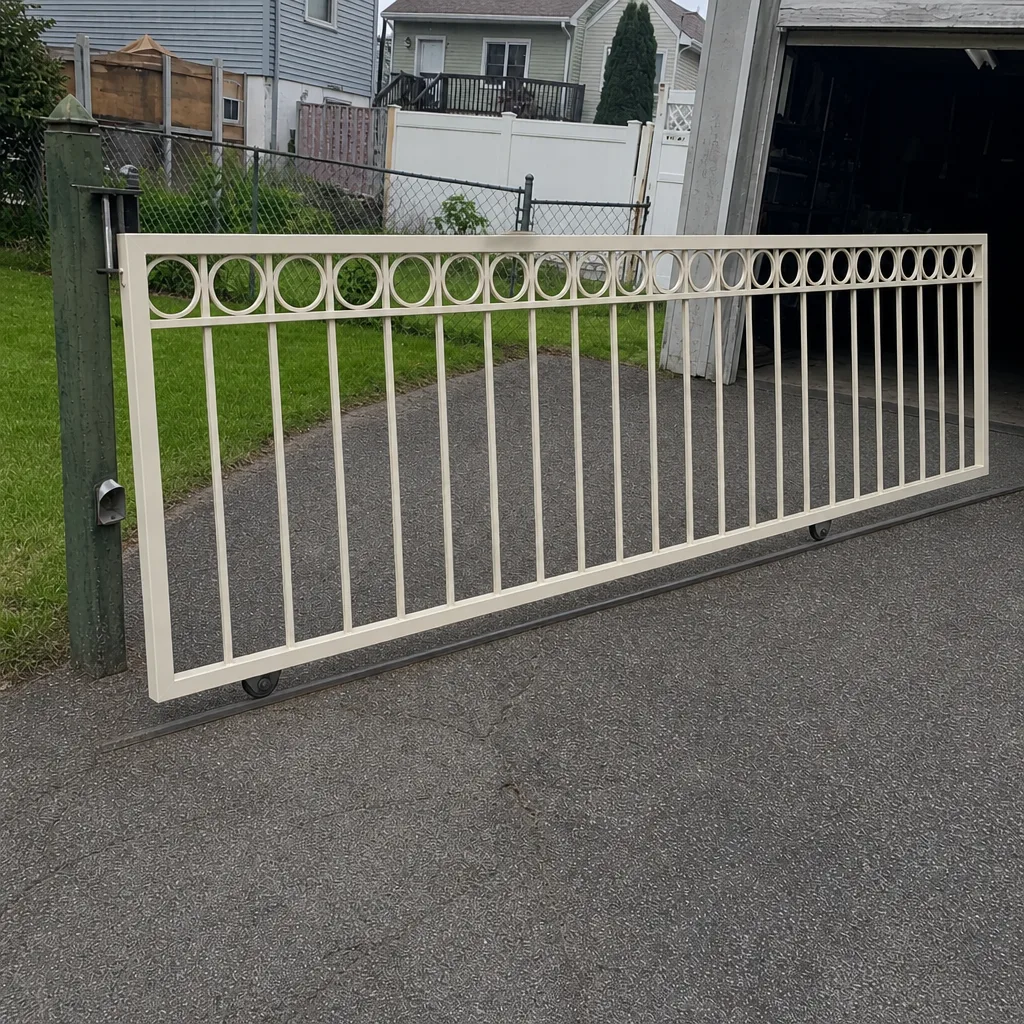
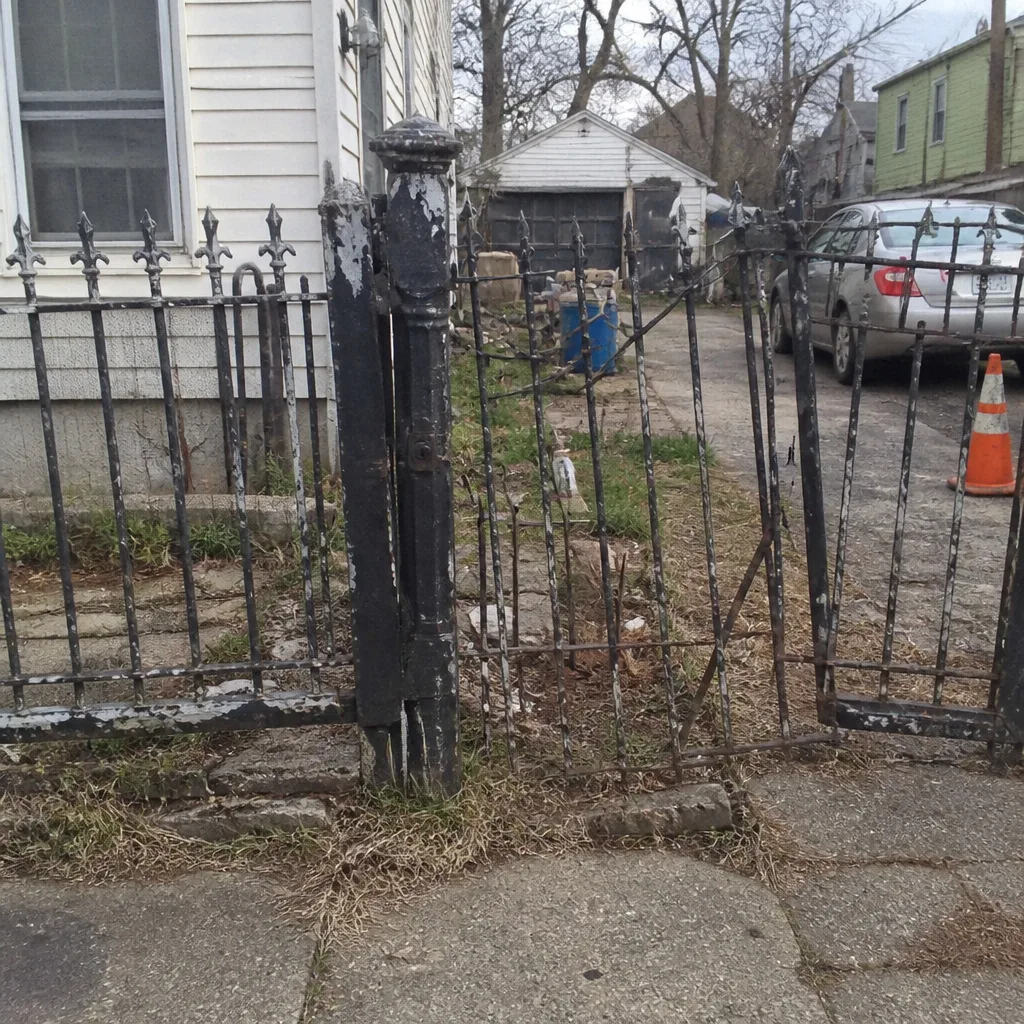
See the difference
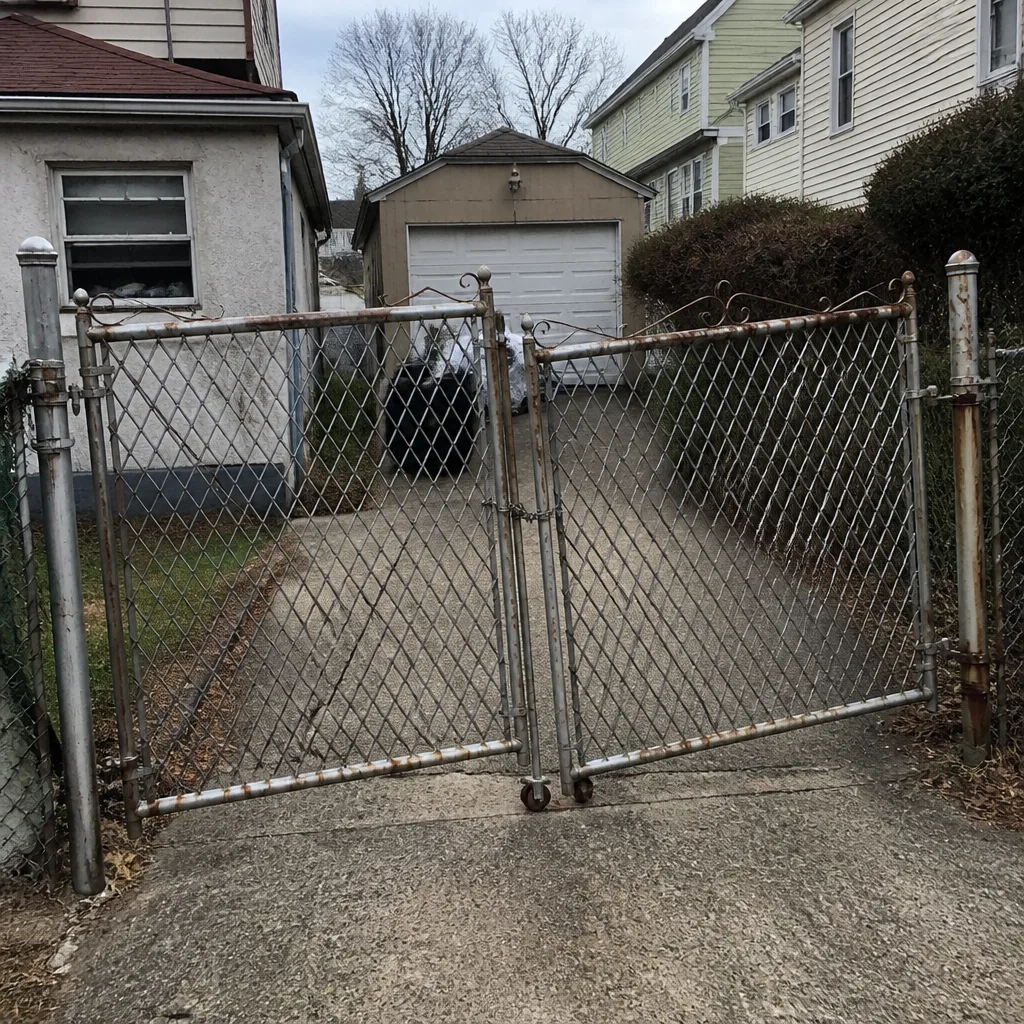 Before
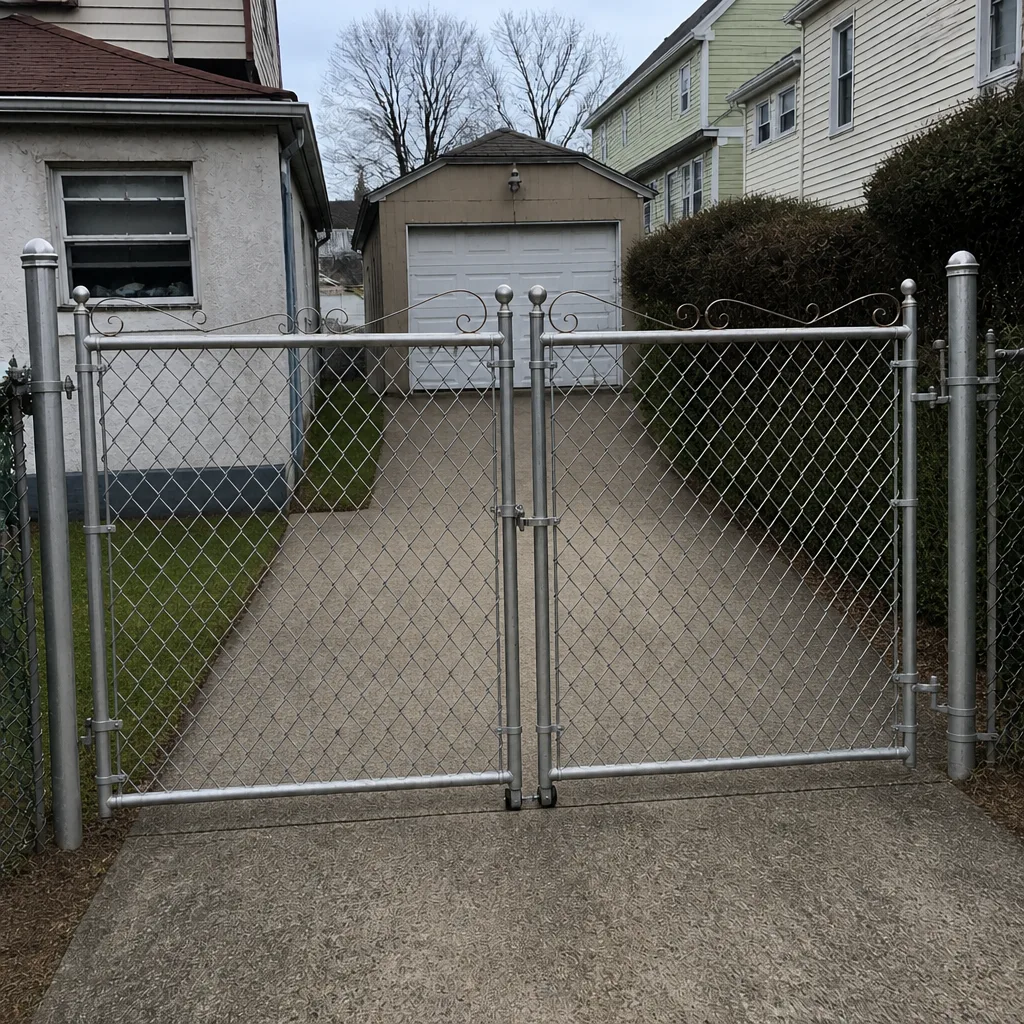 After
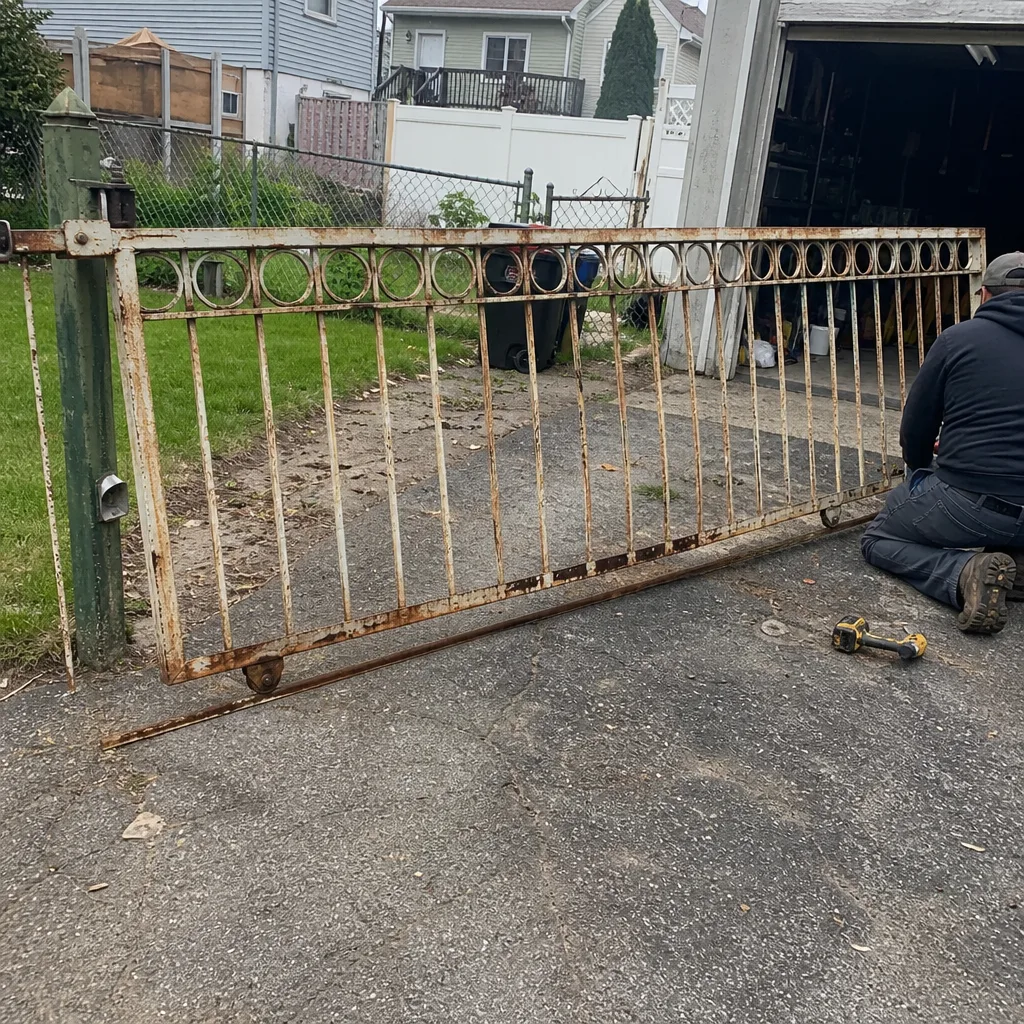 Before
 After
 Before
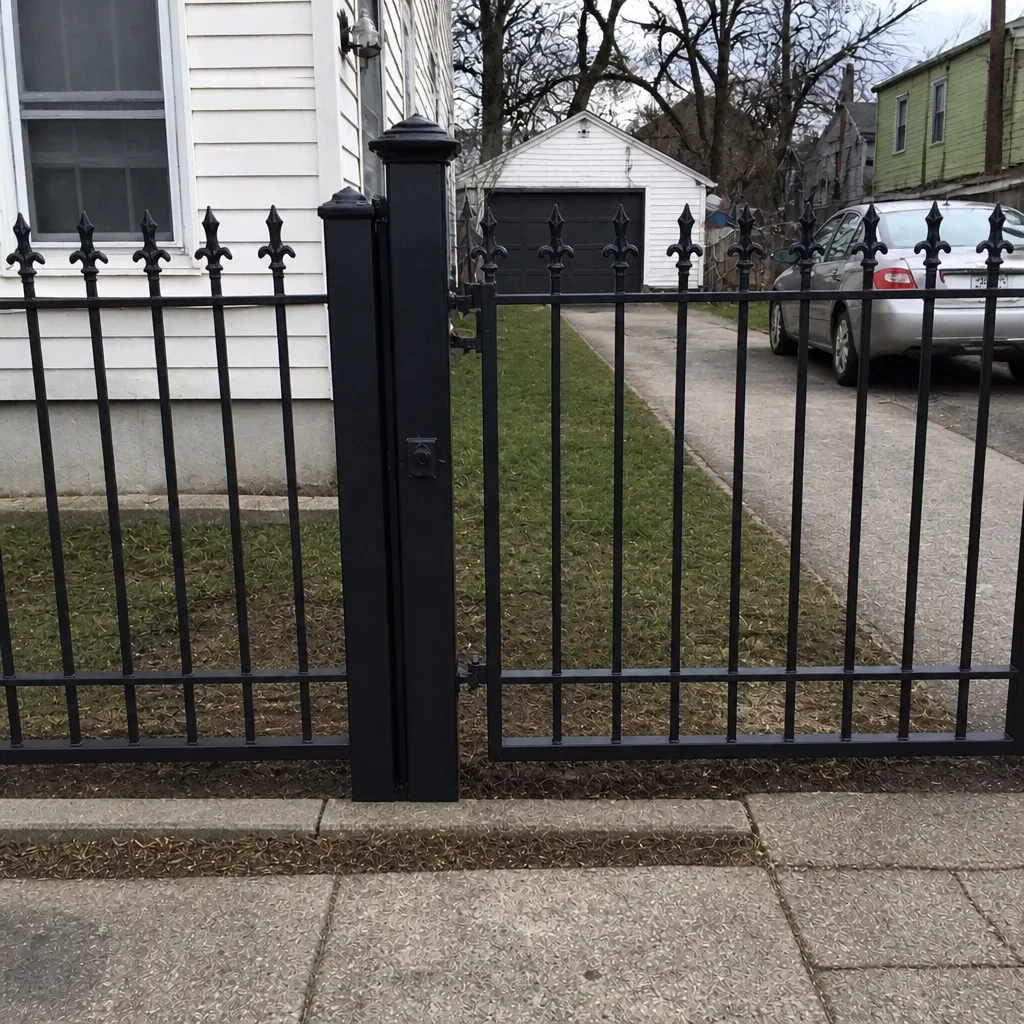 After
When to Call a Professional
Some gate problems are worth a phone call and some are worth waiting on, but a few situations are always a call. Any gate that moves unexpectedly, opens on its own, or fails to reverse when it meets an obstruction needs a professional before it’s used again. So does a gate with a motor that buzzes and doesn’t move, a control board that’s lost its programming, or a slide gate that’s jumped its track or is dragging at its base. Hinges and latches that stick or sag are repairable, but they wear the gate structure every day they’re ignored, and in Elizabeth that wear adds up quickly on gates that move multiple times a day. If you’re unsure whether your problem is mechanical or electrical, that’s the moment to get a specialist out and let the diagnosis decide. For our gate-focused service across residential and light commercial properties, see our gate repair page. Gate Repair Elizabeth offers free estimates in Elizabeth, and you can find our Elizabeth service information here. Call (844) 654-1710. We answer 24/7. Fast dispatch from 7am to 7pm, Sunday through Friday.
Frequently Asked Questions
You know by asking brand-specific questions and listening for fluency. A gate specialist can name your operator’s make and model, describe how its limits are set, and explain how safety devices get tested after a repair. A generalist will talk about “the gate” in general terms and promise to take a look when they arrive. The phone screen in this guide walks you through the exact questions to ask.
It depends on the scope. Mechanical repair, adjustment, and parts replacement on the gate are general contractor work. Running a new power circuit or working inside an electrical panel to supply an operator is electrical work and requires a licensed electrician in New Jersey. A gate specialist should tell you clearly which category your job falls into and who handles the electrical portion. Call (844) 654-1710 with your gate and operator details and we’ll help you sort that out before anyone comes out.
A written gate repair estimate should identify the specific fault, the parts to be installed, the operator brand and model where relevant, the labor, the total price, and the warranty terms. The price is set per job by that written estimate and agreed before any work starts. If the estimate has one line reading “gate repair,” ask for the breakdown before you approve. Estimates are free, so there’s no reason to accept less detail.
Use a dealer-authorized tech when your operator is under manufacturer warranty or when a newer control board fault needs the factory’s technical support. Use an independent specialist for everything else, especially on older systems where cross-brand experience speeds up the diagnosis. The common thread in both cases is that the technician should know your brand before they arrive, not learn it on site.
A general handyman can handle some mechanical adjustments, but electric and automated gate systems are a poor fit for generalist work. Operators combine a motor, a control circuit, programmed limits, and safety devices, and each layer can fail independently. Diagnosing between them requires familiarity with the specific equipment. A misdiagnosis on a control board can lead to wrong parts and repeat visits.
That’s a warranty question, and it’s why the return-visit policy belongs in writing before work starts. Ask what the workmanship warranty period is and whether a return visit within that period is covered. Reputable gate repair work should hold, and a shop confident in its diagnosis will put the terms on paper without hesitation. If they won’t, that tells you something worth hearing.
The Bottom Line
Hiring a gate repair contractor in Elizabeth comes down to one question: does the person in front of you actually know the specific system on your property? Screen for brand fluency with the five-question script, verify state registration and insurance, keep electrical work with a licensed electrician, and insist on a written estimate with named parts and a stated warranty before anyone starts. The quote with the most detail is usually the one that avoids return visits. Our technicians have up to 14 years of experience with gate systems, from manual gates to fully automated access systems, and we’d rather diagnose your gate correctly than sell you work you don’t need. Call (844) 654-1710 for a free estimate. We answer 24/7. Fast dispatch from 7am to 7pm, Sunday through Friday.
Written by the team at Gate Repair Elizabeth.