
Last updated November 15, 2026
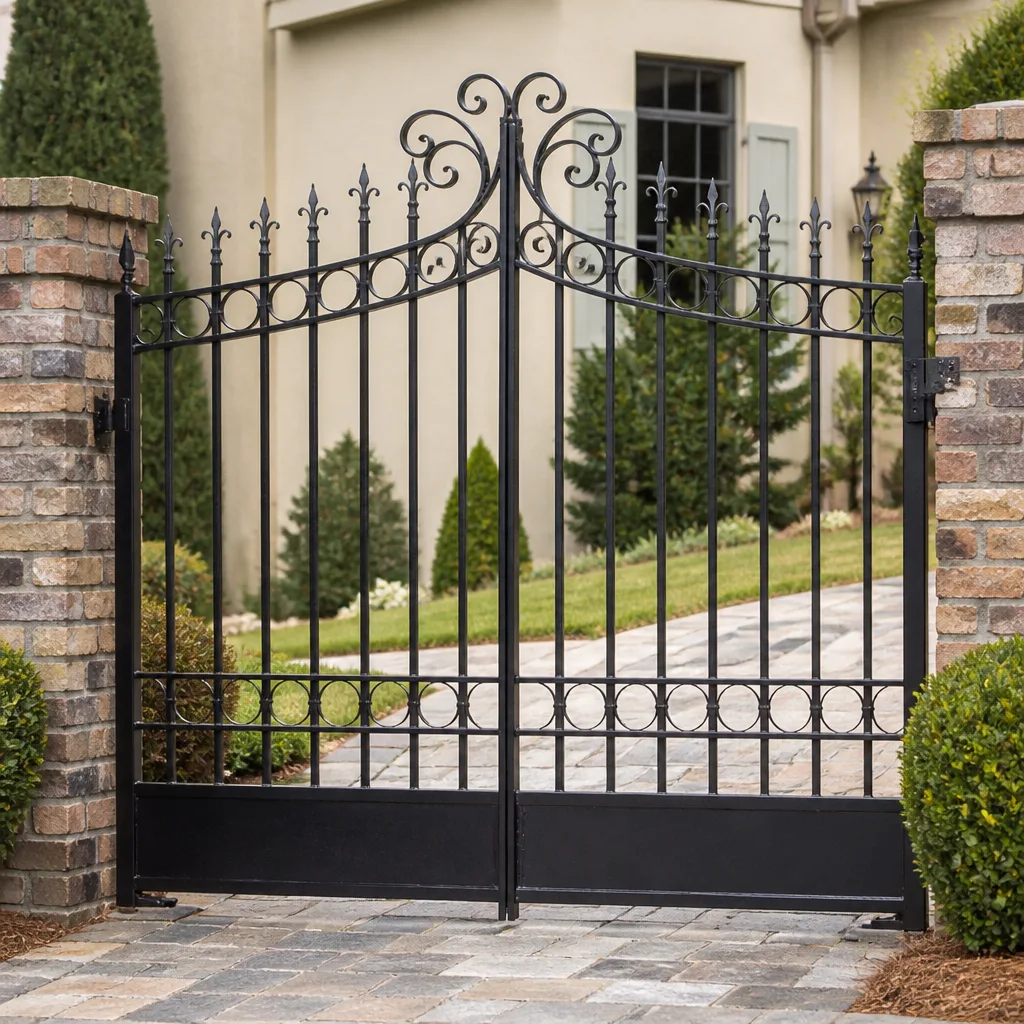 Wrought iron
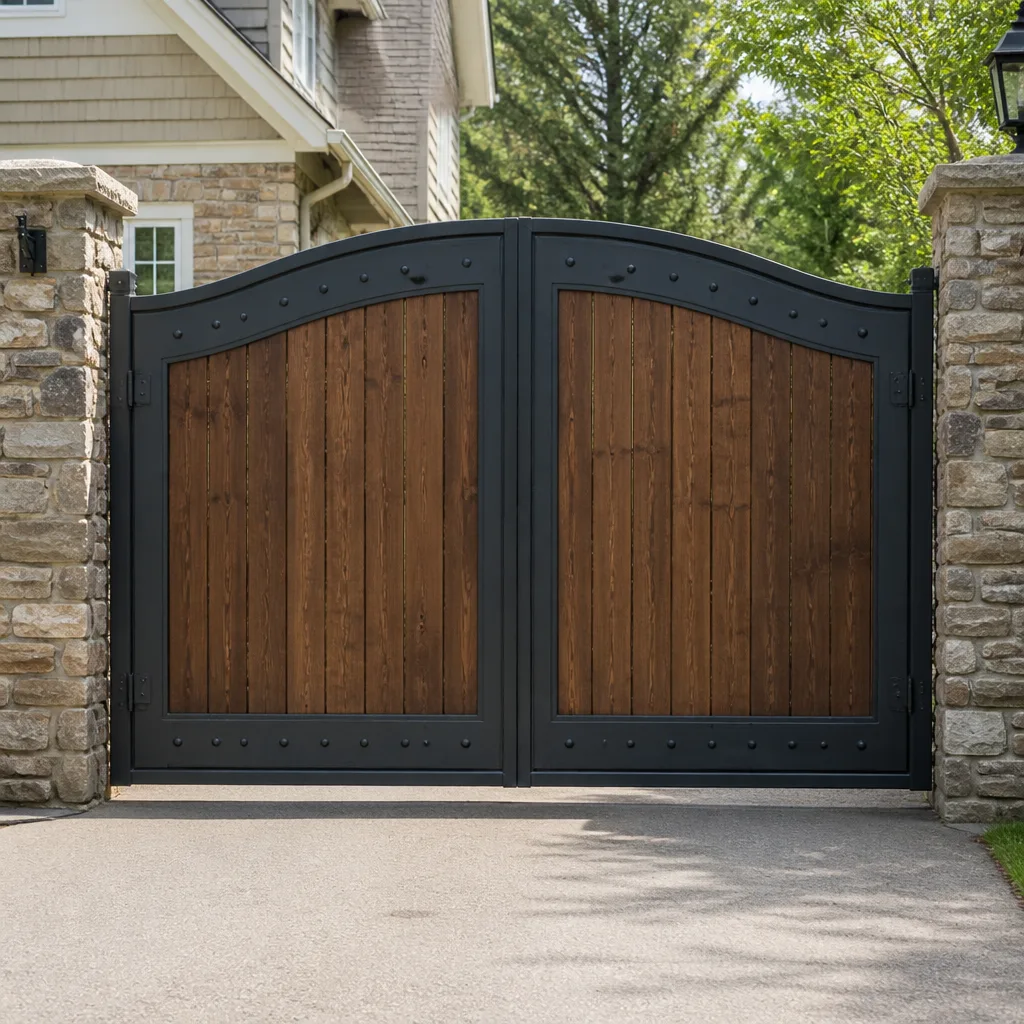 Wood & steel frame
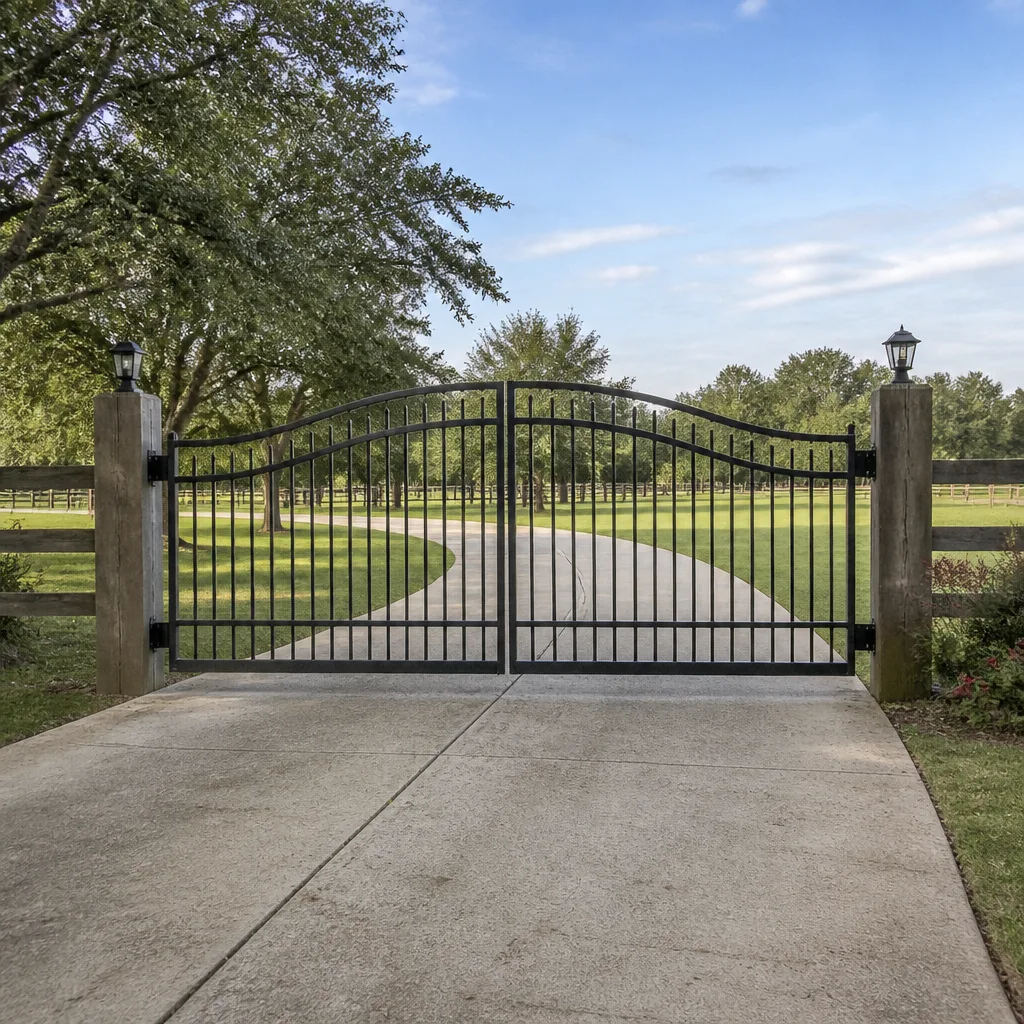 Farm & ranch
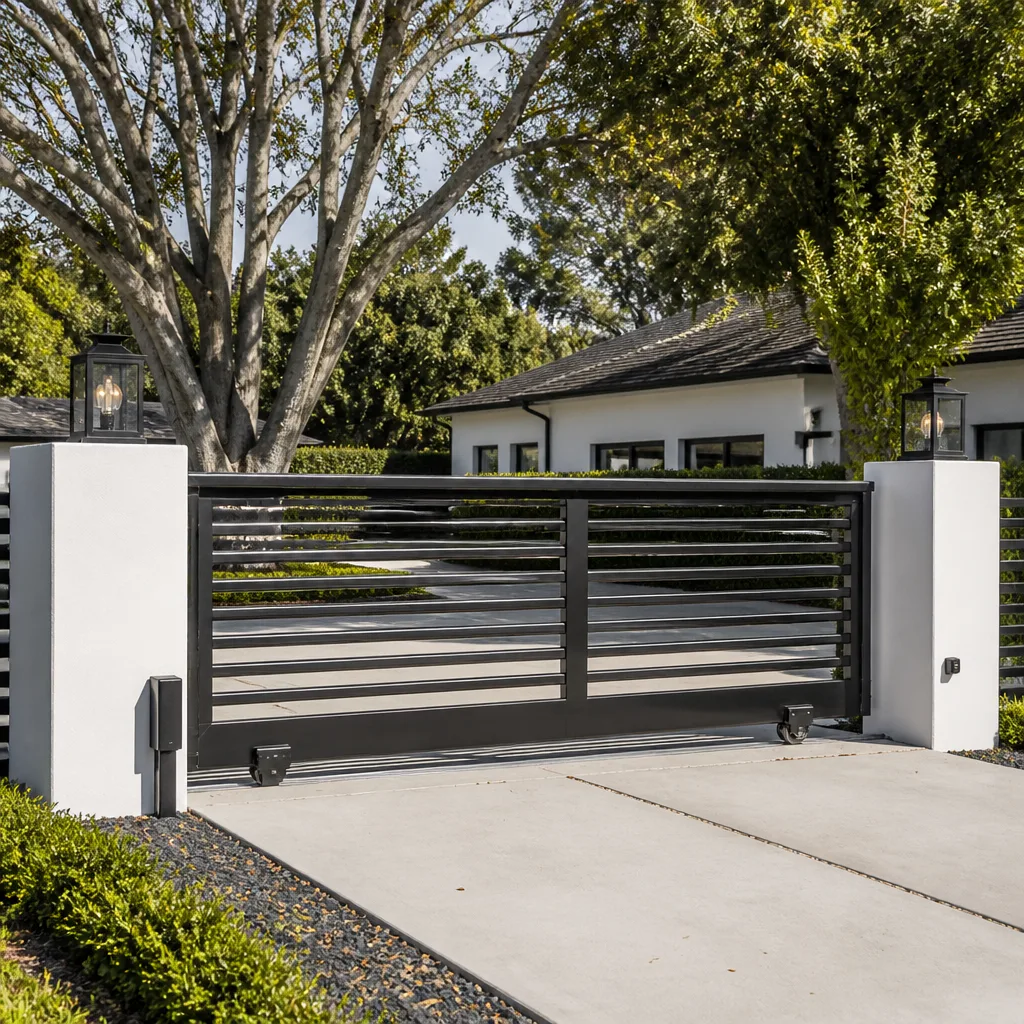 Sliding driveway gates
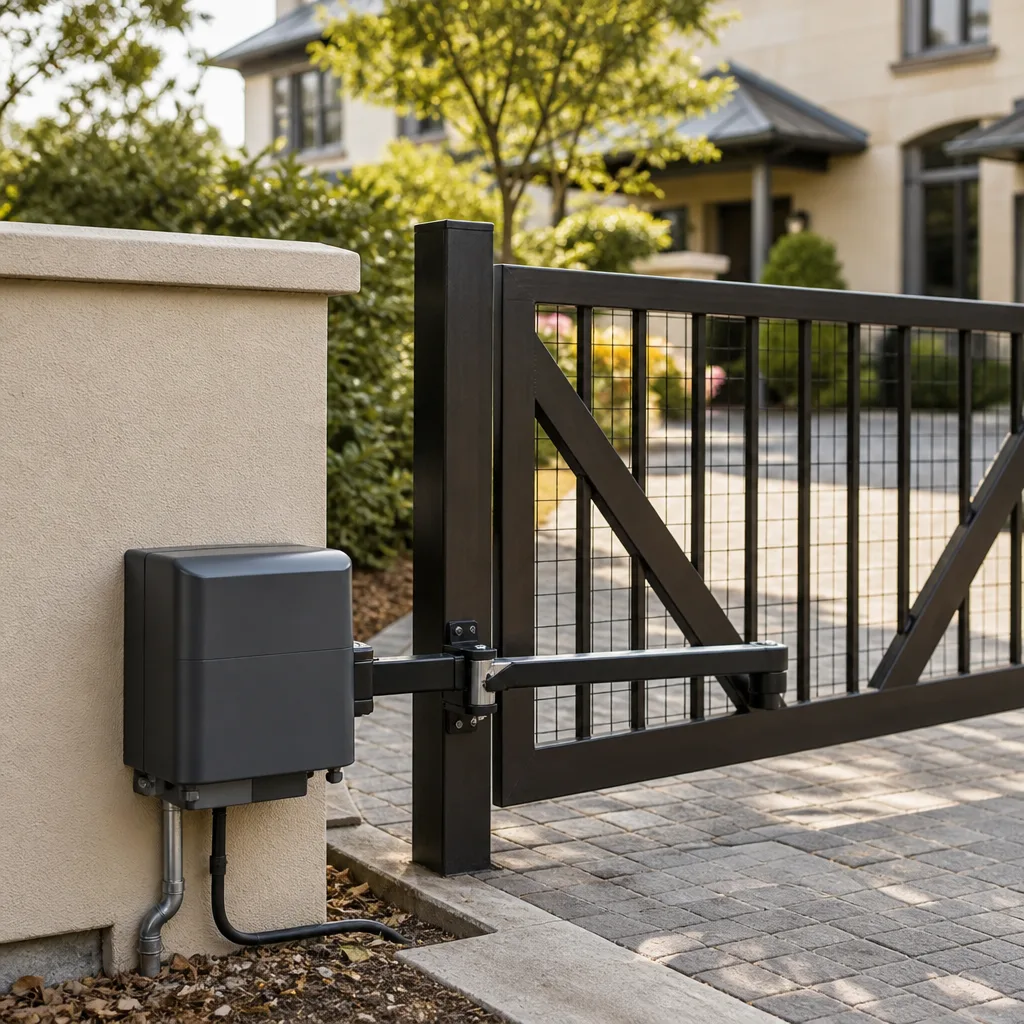 LiftMaster operators
Free on-site gate assessment - hinges, posts, and your LiftMaster or Nice gate operator checked before anything is quoted
The assessment is free and the quote is the invoice.
Get your free estimateGate Repair Warning Signs: An Elizabeth Homeowner’s Reference Guide
Most gate warning signs get misread. Not because homeowners aren’t paying attention, but because the symptom you can see usually points to a different component than the one that’s actually failing. A gate that reverses halfway through travel looks like a sensor problem and often turns out to be a torque setting. A gate that grinds on opening looks like dry hinges and is frequently a drive gear or rack misalignment. This guide teaches you to read the symptom, weigh the evidence, and decide whether to monitor, book a repair, or stop using the gate today. We’ll walk through it the way we do on diagnostics in Elizabeth.
Quick Answer
Gate repair warning signs fall into two groups: monitor warnings (sluggish travel, new noises, cosmetic rust, occasional remote lag) and stop-using warnings (a gate that reverses unpredictably, drifts past its limit, or has visible damage to the operator arm or track). The first group can wait for a scheduled call; the second should be taken out of service until a technician looks at it. The hard part isn’t spotting a symptom. It’s knowing which component the symptom is actually accusing.
Styles & brands we work with
- Wrought iron
- Wood & steel frame
- Farm & ranch
- Sliding driveway gates
- LiftMaster operators
Table of Contents
- Why gate symptoms point to the wrong part
- The 12 warning signs, organized by what they actually mean
- Warning signs specific to electric and automated gates
- When unrelated-looking signs share a root cause
- The decision matrix: monitor, quote, or stop using
- What’s specific to gates in Elizabeth
- Common mistakes to avoid
- When to call a professional
Why gate symptoms point to the wrong part
A gate is a mechanical system with a chain of components that all influence the same visible behavior. The drive motor turns a gear or arm, which moves the gate panel, which triggers limit switches and safety sensors, which send signals back to a control board. When the visible behavior changes, any link in that chain could be responsible. And the noise, sluggishness, or reversal you notice usually comes from the last component to react, not the first to fail.
Here’s the practical version. A gate that grinds when opening is not always a lubrication problem. In roughly 40% of the cases we see, it’s a drive gear worn or a rack that’s drifted out of alignment with the pinion. Grease quiets it for a while, then the misalignment accelerates wear on the gear, and the grinding returns louder with metal shavings underneath. If you stopped at “it needs grease,” you paid for grease and bought time on a gear that was already failing.
The same inversion happens with reversal. A gate that stops and reverses mid-travel trips the safety sensor’s name in every homeowner’s head, but a dirty sensor is one possible cause out of five. The others are a torque setting that’s drifted, a control board that’s misreading the encoder, a physical obstruction under the gate, and a loose drive arm that lets the gate coast slightly and trip the stall detection. Only one of those five is a sensor fix. Testing them in the wrong order is how a $40 sensor swap turns into a $400 arm replacement.
That’s why we lead with diagnosis. Our technicians have up to 14 years of experience across residential and light commercial gate systems, and the first job on any gate repair call is to trace the symptom back to its actual source before quoting anything.
The 12 warning signs, organized by what they actually mean
Below are the twelve signs we look for most often. Each one lists the apparent cause (what it looks like) and the actual common causes (what we test for). This is the diagnostic layer most symptom checklists skip.
Signs that look mechanical but often aren’t
- 1. Grinding on opening. Appears to be: dry hinges. Actually often: worn drive gear, rack misalignment, or debris in the track. Grease masks it; diagnosis fixes it.
- 2. Gate drags or slows near the end of travel. Appears to be: weak motor. Actually often: a bound hinge, a bent arm, or a torque setting that’s no longer matched to the gate weight.
- 3. Gate reverses mid-travel. Appears to be: sensor fault. Actually often: torque, obstruction, encoder misread, or a loose drive arm tripping stall detection.
- 4. Gate stops short of the post. Appears to be: a limit switch. Actually often: debris on the track, a sagging hinge, or a limit cam that’s walked out of adjustment.
Signs that look electrical but often aren’t
- 5. Remote works sometimes. Appears to be: dead battery. Actually often: a low receiver antenna, interference from a nearby transmitter, or a receiver that needs a re-learn.
- 6. Operator hums but doesn’t move. Appears to be: a seized motor. Actually often: capacitor failure, a bound gate panel, or a wrong voltage reading at the board.
- 7. Intercom lags or drops the call. Appears to be: a bad intercom unit. Actually often: a wire joint that’s loosened with seasonal expansion and contraction, or a power supply that’s sagging.
Signs that look cosmetic but warn of real wear
- 8. Rust on the bottom of the gate panel. Appears to be: cosmetic. Actually often: moisture pooling at the lowest point, which is where structural thin spots form first.
- 9. Gate wobbles when you push it by hand. Appears to be: normal flex. Actually often: hinge wear, a loosened post, or a footing that’s shifted.
- 10. The gate scratches the ground when swinging. Appears to be: a gate that’s too low. Actually often: a hinge that’s dropped or a post that’s settled.
Signs that look like the gate but are actually power or wiring
- 11. Operator resets randomly. Appears to be: a bad board. Actually often: a loose ground, a voltage dip, or a joint that’s losing continuity.
- 12. Safety edges trip when nothing’s there. Appears to be: a bad edge. Actually often: water in the edge’s boot, a pinched wire, or a control board input that’s floating.
Notice how many of these overlap. Grinding and dragging often share a hinge problem. Reversal and short-travel often share a torque problem. That overlap is the next section’s subject.
Warning signs specific to electric and automated gates
Non-motorized gate guides usually stop at “it doesn’t open, call someone.” Here’s what we actually watch for on the powered systems installed across Elizabeth, and what each sign usually points to.
Control board fault codes. Most modern operators flash a diagnostic LED in a pattern. A repeated two-blink or three-blink code is often the operator telling you exactly what failed (an obstruction, a limit, a motor stall). Write down the pattern before you call. That single piece of information turns a two-hour diagnostic into a 20-minute one, and it steers which electric gate repair approach gets quoted. Boards on DoorKing and Elite units often flash codes that read cleanly on-site; some older boards don’t, and the pattern has to be read with a meter.
Loop detector issues. A vehicle loop under the driveway is the most common trigger for commercial and multi-tenant gates. Symptoms include the gate closing on a car that’s still pulling through, the gate refusing to close at all, or the gate closing and reopening every few seconds with the driveway empty. Loops get damaged by paving, root growth, or a heavy vehicle load. The sign looks like a control board problem. The fix is often a loop re-tune or a splice.
Intercom lag or dead audio. Intercom wiring runs long distances and passes through more joints than any other gate circuit. A slight lag on the intercom is almost never the intercom unit itself. It’s a joint that’s loosened with seasonal expansion, or a power transformer that’s underperforming. On access-control systems, lags get worse and callers assume the building is unattended.
Safety edge and photo-eye drift. These are the primary safety systems on any powered gate. They should never be trusted on feel. When a gate’s safety edge or photo eye fails, the operator may keep opening and closing as if nothing’s wrong until someone steps into the path. There is no safe “monitor” period for a failing safety device. If your gate has hit anything in the last month without reversing, or if you can stand in the gate’s path and it keeps closing, take it out of service and get it looked at. Automated gates can crush or trap; this is the one warning sign where a same-day call is the right call.
We work on these systems by name: Ghost Controls, DoorKing, Elite, Mighty Mule, and the rest of the common residential and light commercial brands. Diagnosing by model means the tech arrives knowing what the board expects, what the limits should read, and what parts are on the truck. That’s why “get it fixed right the first time” is what we aim for on every powered gate we see.
When unrelated-looking signs share a root cause
Here is the part most lists miss. Warning signs don’t stack up as separate problems. They compound from a shared root cause, and treating each one individually is how repair bills add up.
Take a sagging hinge on a swing gate. Three symptoms appear at once:
- The gate scratches the ground on the low side (looks like a gate-height problem).
- The operator has to work harder to swing the panel (looks like a motor problem).
- The gate reverses near the end of travel because the motor draws more current than the torque setting allows (looks like a sensor problem).
One hinge. Three symptoms. Three different repair paths if you treat each one separately. One repair if you trace them to the hinge.
The same pattern happens on slide gates. A rack that’s out of alignment with the pinion causes:
- A grinding noise on opening (looks like a lube problem).
- Slower travel on the return (looks like a motor problem).
- The gate drifting past its limit and stopping (looks like a limit problem).
- Occasional board resets on high-draw peaks (looks like an electrical problem).
Four symptoms. One root. The compounding risk is real: a misaligned rack, left alone, will destroy the pinion gear in weeks. What would have been an alignment adjustment becomes a gear replacement.
On a powered gate, that same pattern shows up in the safety chain. A loosened wire joint on the safety edge:
- Makes the edge trip when nothing’s there (looks like a bad edge).
- Makes the operator stop mid-cycle and reset (looks like a board fault).
- Makes the remote feel unreliable (looks like a receiver problem).
One joint, three findings. When we test a gate for Gate Repair Elizabeth calls, the workflow is the same: reproduce the symptom, trace the signal chain from the panel back toward the source, and stop when the first component that fails a test matches the symptom chain. That’s the difference between fixing a symptom and fixing the gate.
The decision matrix: monitor, quote, or stop using
Here’s the practical version. Use this to decide what to do tonight, not to skip a professional call.
Monitor (safe to observe)
- New noise that’s consistent and doesn’t change day to day.
- Slower travel over weeks, not hours.
- Rust on the bottom of the panel with no structural loss.
- Remote working from farther away than it used to (weak battery or antenna drift).
Log the symptom. Take a phone video of the gate cycling. If it changes in a week, call for a quote.
Book a repair quote (usually within the week)
- Gate reverses at the same point every cycle.
- Gate stops short of the post by a consistent amount.
- Operator hums without moving.
- Intercom drops calls.
- Loop detector misfires on an unoccupied driveway.
- Gate wobbles when you push it by hand.
These are usually fixable as scheduled repairs. A free estimate gives you a written price before any work starts.
Stop using the gate (call today)
- Safety edge or photo eye fails a physical test (the gate closes on an obstruction).
- Gate drifts past its open or closed limit and keeps going.
- Visible damage to the operator arm, track, or post.
- Gate panel has started to lean or separate from its hinges.
- A powered gate that has hit a vehicle, a person, or an animal.
Lock the gate out, set the operator to manual if it’s safe to do so, and call. These are the symptoms where the potential for injury is higher than the cost of a fast visit.
What’s specific to gates in Elizabeth
Gates in Elizabeth don’t fail the same way as gates in dry inland climates. The northeast New Jersey pattern is freeze-thaw across winter, hot humid summers, and a lot of older housing stock where gate hardware has been patched across decades. A few patterns stand out.
Freeze-thaw is the big one. Any moisture that gets into a hinge pin, a rack gear, or a post footing expands when it freezes. The result: small clearances open up in the spring, hinges develop a slight looseness, and gates start scraping their ground path. If your gate has been quiet all winter and started acting up in March, that’s a freeze-thaw signature, not a new mechanical failure. It still needs a look, but the fix is usually adjustment, not replacement.
The other local factor is the number of mixed-use properties. Elizabeth has a lot of homes with an automated gate sharing a driveway with a small commercial frontage, a row of garages, or a multi-tenant side entry. Those systems see more cycles per day than a single-family gate and wear faster on the drive components. Access-control gates in these setups need to be looked at more often than a residential-only gate, and the loop and intercom symptoms in the electric section above show up more here than anywhere else in the city.
We work across Elizabeth on both sides of that split, residential and light commercial. If you’re not sure which category your gate falls into, that’s part of the free estimate conversation.
Common mistakes to avoid
- Treating a grinding noise with grease. Grease masks the sound and accelerates the damage underneath. If the noise is coming from the drive side, get it tested. If it’s coming from a hinge, grease is correct; if it’s coming from a gear, grease is the wrong prescription.
- Assuming a mid-travel reversal is a sensor. One out of five reversals is a sensor. The rest are torque, obstruction, encoder drift, or a loose arm. Testing them in the wrong order costs money and time.
- Ignoring the small stuff until winter. In Elizabeth, a hinge that’s slightly loose in October is a hinge that’s grinding in January. Fall is the right season to adjust the gate, not spring.
- Buying a replacement operator before diagnosing the board. A board fault that looks like a dead motor is often a voltage drop or a bad joint. Replacing the operator to fix a $5 wire is a waste, and it’s the most common over-purchase we see.
- Using a general handyman on a powered gate. Gate operators are their own specialty. A generalist who’s good at fencing has never seen the inside of a DoorKing board. You want the tech who diagnoses by model, not the one who learns on your gate.
- Letting a safety edge drift. This is the one “small” sign that shouldn’t be filed as small. If you can stand in the path and the gate closes, stop using it and get it looked at.
- Combining symptoms into one call. Homeowners often wait for three things to break before calling, thinking they’ll get a bundle. In practice, the first symptom is the one that’s cheap to fix. Waiting stacks them. The compounding section above explains why.
When to call a professional
Call for a professional when any of the following is true: the gate has reversed unpredictably in the last week, a safety edge or photo eye has failed an obstruction test, the operator has reset itself more than once, the gate panel has started to wobble by hand, or you can see visible damage to the operator arm, track, or post. Those are the scenarios where an untrained fix can make a working gate worse or, in the powered case, make a safe gate dangerous. Call for a quote, on the other hand, for the smaller signs: new noise, slower travel, remote lag, a scratched ground clearance, or rust at the bottom of the panel. Those are usually scheduled repairs that don’t need a same-day visit.
Gate Repair Elizabeth offers free estimates in Elizabeth. Call (844) 654-1710. We answer 24/7. Fast dispatch from 7am to 7pm, Sunday through Friday.
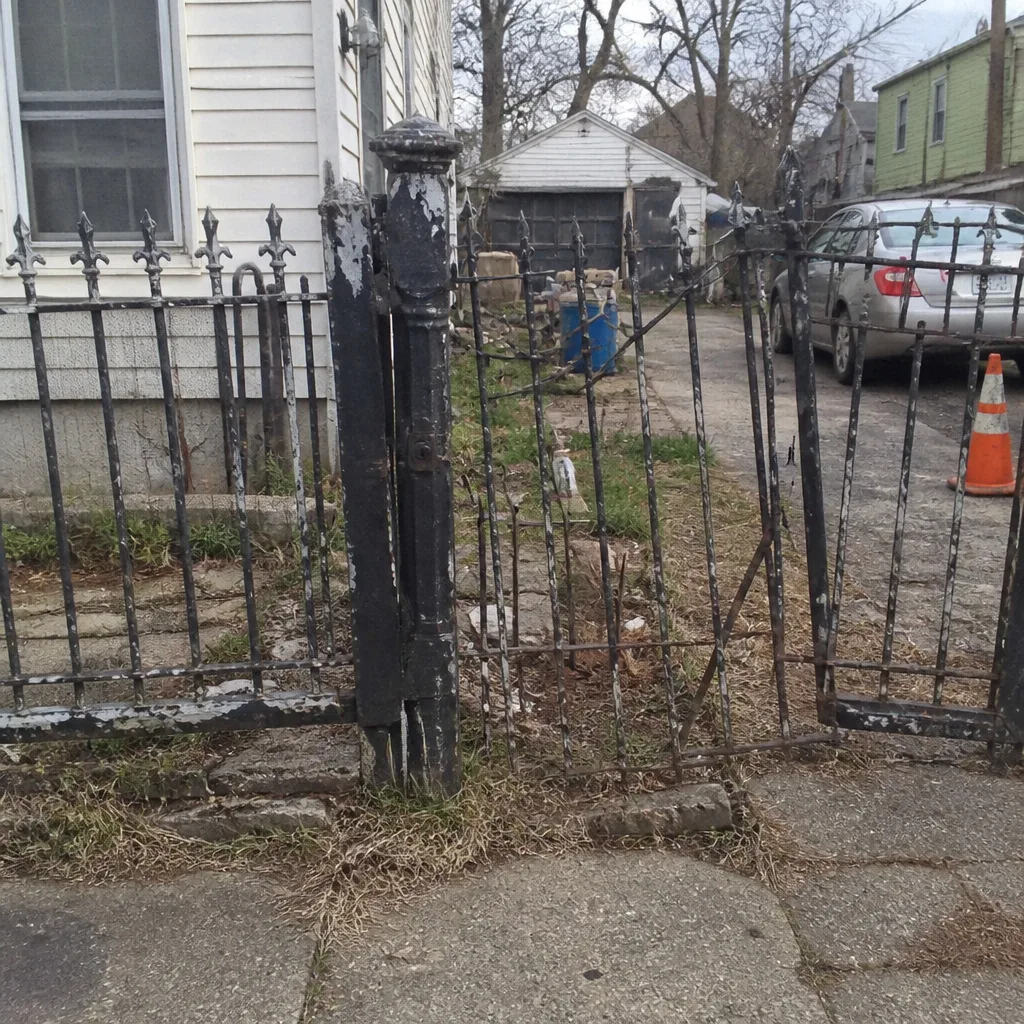
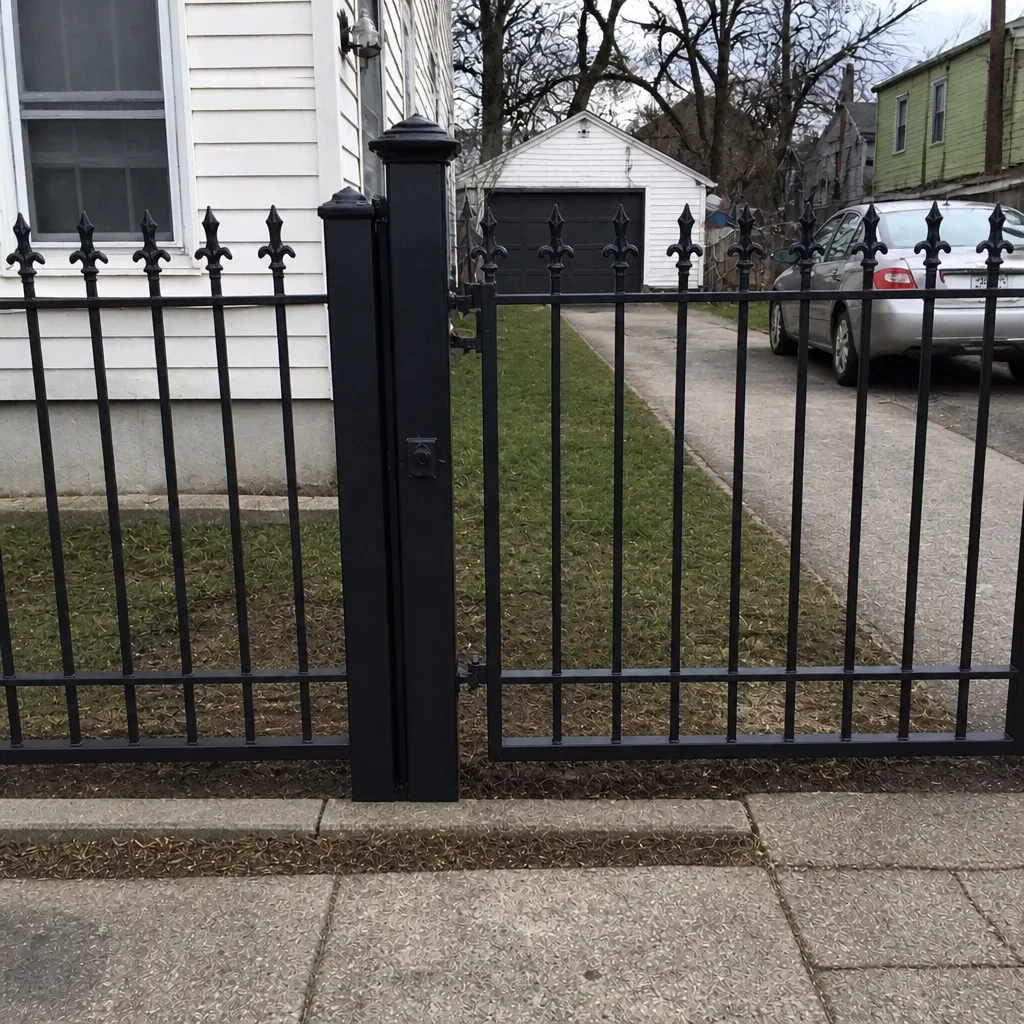
See the difference
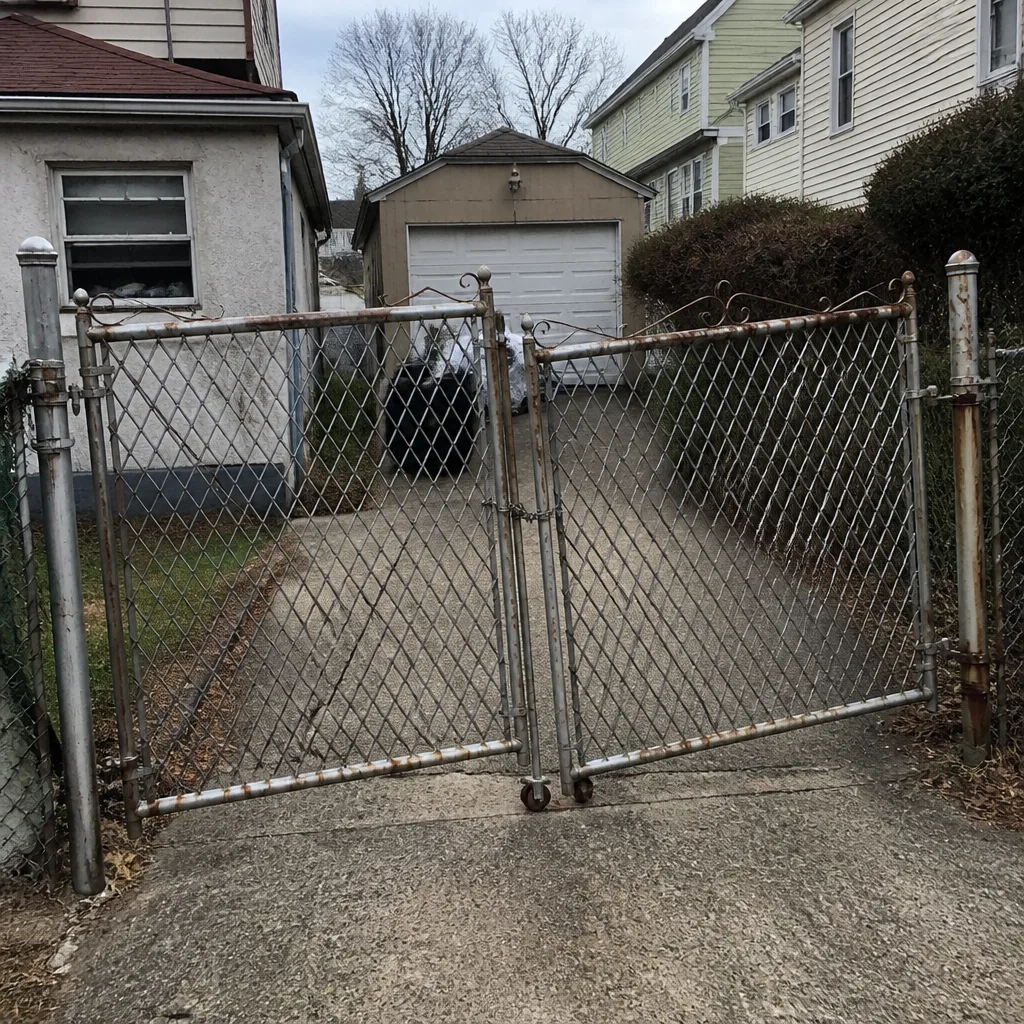 Before
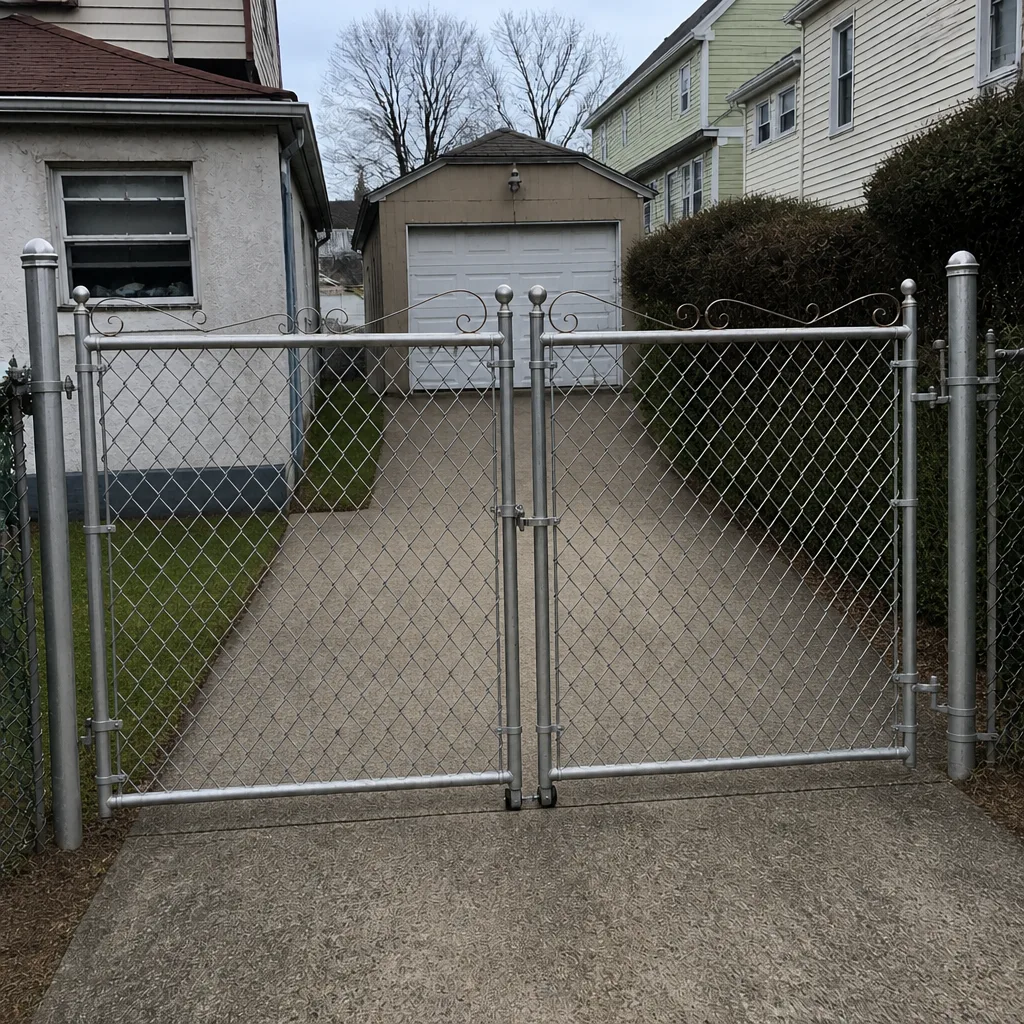 After
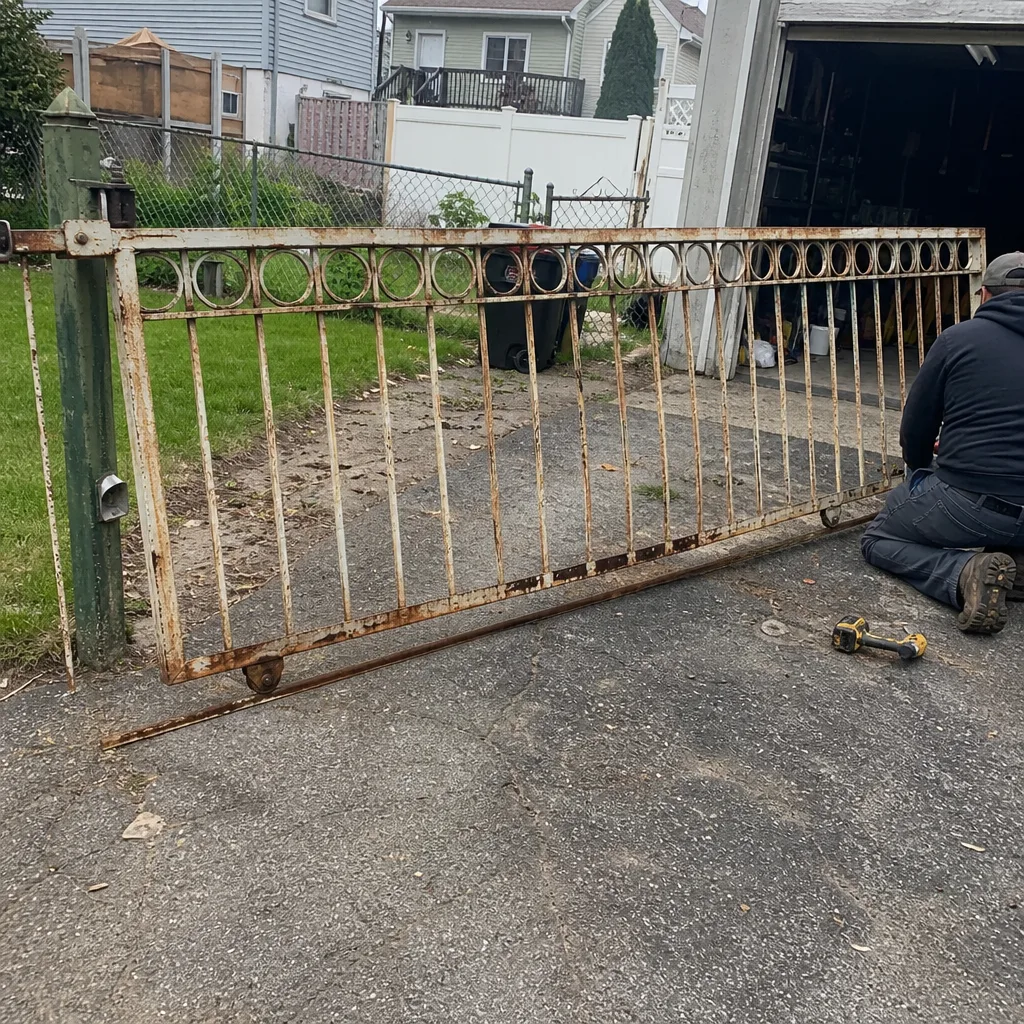 Before
 After
 Before
 After
Frequently Asked Questions
Usually no, and that’s the point of this guide. The visible symptom is the last component to react, not necessarily the one that failed. A grinding noise can come from a hinge, a drive gear, or a rack, and they sound similar from arm’s length. Testing with a meter and the operator’s board codes is how the actual source gets identified.
For a residential swing gate in Elizabeth, an annual adjustment is the normal rhythm; the freeze-thaw cycle over winter is when most small problems start. A powered gate that runs multiple times a day, such as a light commercial or multi-tenant access gate, should be checked more often because the drive components do more work. We don’t sell maintenance plans; a one-time visit is priced per job after we look at the gate.
Not every reversal is a stop-using warning. A single reversal on a cold morning that doesn’t repeat is often a torque issue that can wait for a scheduled quote. A gate that reverses at the same point every cycle, or reverses with nothing in its path, should be taken out of service until it’s tested. The distinction matters because one wastes a call and the other risks injury. When in doubt, stop using the gate and call.
Replacing the operator when the fault is in the board, the wiring, or the safety chain. It’s the most common over-purchase we see, and it happens because the operator is the component the homeowner sees, even though the failure is often upstream. A proper diagnostic costs a fraction of a new operator and prevents a repeat visit if the fault reappears. Call (844) 654-1710 for a free estimate on any gate repair in Elizabeth.
We work on LiftMaster, FAAC, BFT, Linear, Viking, Ghost Controls, DoorKing, Elite, and Mighty Mule. These are the brands we see most often in Elizabeth, and working on them by name means correct parts, correct programming, and correct adjustments on the first visit. If your brand isn’t on that list, still call. The diagnostic process is the same across most operators.
Often yes for repair calls, and always a same-day goal for stop-using signs like a failed safety edge or a gate that’s drifted past its limit. We answer 24/7. Fast dispatch from 7am to 7pm, Sunday through Friday. For a new installation or a full operator replacement, the visit is scheduled after a free measure and a written price, not same-day.
Yes. On any new automated gate installation in Elizabeth, the power run, the safety edge setup, and the photo-eye placement are part of the scope, not extras. The safety edges in particular are non-negotiable on any powered gate: they’re the primary protection against a gate closing on a person, a pet, or a vehicle. We won’t leave a new operator without them.
The Bottom Line
Most gate repair warning signs don’t point at the part that’s actually broken. The noise, the reversal, the sluggish travel: each one is the gate telling you something changed, not necessarily telling you what. Read the symptom, weigh whether it’s a monitor sign or a stop-using sign, and use the decision matrix to decide what to do next. On a powered gate, prioritize the safety systems first; they’re the only class of warning sign where same-day matters. In Elizabeth, expect freeze-thaw to surface small problems in late winter and early spring, and expect mixed-use properties to wear faster than single-family gates.
When you’re ready to have someone trace the symptom to its source, call (844) 654-1710 for a free estimate. We answer 24/7, and we dispatch Sunday through Friday, 7am to 7pm. Or start with a gate repair visit and let us diagnose your gate by name, not by trial and error.
Written by the team at Gate Repair Elizabeth.