
Last updated November 15, 2026
 Wrought iron
 Wood & steel frame
 Farm & ranch
 Sliding driveway gates
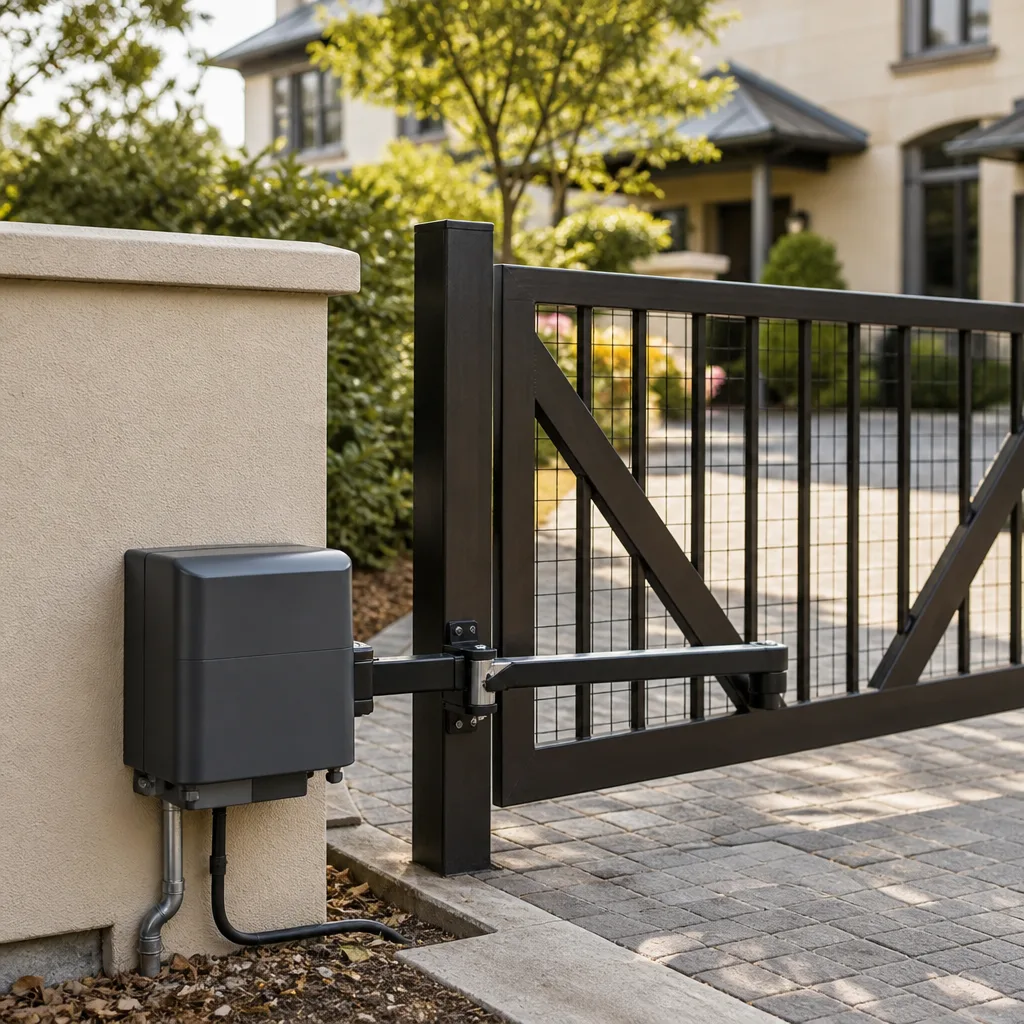 LiftMaster operators
Free on-site gate assessment - hinges, posts, and your LiftMaster or Nice gate operator checked before anything is quoted
The assessment is free and the quote is the invoice.
Get your free estimateGate Repair Cost Breakdown: The Elizabeth Homeowner’s Reference for 2026
Two quotes for the same symptom, “the gate won’t open,” can come in at $150 and $600. Both can be honest. They’re usually pricing different scopes of work. The cheap fix often swaps a part that fails again because the underlying cause was never diagnosed, and the second callout lands within weeks. This guide unpacks what actually drives gate repair pricing in Elizabeth: mechanical wear, operator electronics, access control parts, brand-specific sourcing, and how to read a written estimate line by line. The goal isn’t to find the lowest number. It’s to understand what you’re paying for so you can judge a quote on its merits.
Styles & brands we work with
- Wrought iron
- Wood & steel frame
- Farm & ranch
- Sliding driveway gates
- LiftMaster operators
Quick Answer
Most residential gate repairs in Elizabeth run roughly $180 to $650, with simple mechanical fixes at the low end and operator or control-board repairs at the high end. Full electric gate automation repairs that involve access control, loop detectors, or intercom wiring commonly land between $350 and $1,100 depending on the brand and parts availability. Every price should be quoted in writing and agreed before work starts, and the written estimate sets the final price.
Table of Contents
- Why Gate Repair Quotes Vary So Much in Elizabeth
- Mechanical Repairs: Hinges, Rollers, Posts, and Hardware
- Electrical Repairs: Operators, Control Boards, and Wiring
- Access Control: Keypads, Intercoms, and Loop Detectors
- How the Diagnostic Visit Works and How It’s Billed
- Parts Markup, Self-Sourcing, and Warranty Problems
- Brand Differences: Why Some Parts Cost More
- Realistic Cost Ranges for the Eight Most Common Elizabeth Repairs
- Common Mistakes to Avoid
- When to Call a Professional
- Frequently Asked Questions
- The Bottom Line
Why Gate Repair Quotes Vary So Much in Elizabeth
Gate repair pricing in Elizabeth is opaque for a simple reason: most quotes bundle labor, parts, and diagnostics into one line without explaining any of them. A homeowner sees a total and has no way to evaluate whether the number reflects a real repair or a guess. That’s not a pricing problem. It’s an information problem.
The variables that actually move a quote are consistent:
- Repair category. A hinge swap is mechanical. A control board replacement is electrical. An intercom or keypad fault is access control. Each carries different parts costs and different labor time.
- Gate type. A sliding cantilever gate, a swing gate with two leaves, and a heavy commercial slide gate each need different hardware and different adjustment time.
- Brand. Some brands have parts that are cheap and off the shelf. Others use proprietary control boards that cost multiples of a generic equivalent.
- Age of the system. Older operators sometimes need parts that aren’t in common supply, which pushes sourcing time and cost.
- Access and clearance. A gate that opens onto a tight residential lot or sits over uneven pavement takes longer to test and set correctly.
Elizabeth’s housing stock mixes older homes and small commercial properties, and gates here frequently contend with freeze-thaw cycles that shift posts and settle concrete. That movement creates mechanical problems that look electrical at first glance. A gate that stops mid-travel could be a worn roller, a misaligned track, or a genuine operator fault. Getting that diagnosis right is what separates a quote that fixes the problem from a quote that patches a symptom. Our Gate Repair Elizabeth approach is to diagnose the system by name and type before pricing, not to ballpark from a phone call.
Mechanical Repairs: Hinges, Rollers, Posts, and Hardware
Mechanical repairs are the most predictable category. They involve physical parts that wear, bend, or seize, and the labor is measured in adjustment and alignment rather than electronic troubleshooting. Most mechanical repairs on residential gates in Elizabeth fall between $180 and $450.
What falls into this category:
- Hinges and pivot hardware. Worn hinges cause sag, drag, and misalignment. Replacement is straightforward; the time is in realigning the gate leaf afterward.
- Rollers and track (sliding gates). Seized or flat-spotted rollers bind the gate and overload the operator. Replacing rollers and truing the track is a common repair.
- Post movement and footing issues. Posts settle. When a post shifts, the gate rack no longer meshes cleanly with the pinion, and the operator strains. Correcting this means resetting the post to proper footing depth, not just shimming hardware.
- Latch, strike, and stop hardware. Small parts, small cost, but a worn latch can trip safety systems and make the gate appear broken.
- Rack and pinion wear. A worn rack section causes skipping and grinding. Replacing the worn section is cheaper than replacing the operator it’s damaging.
One thing we see in Elizabeth is mechanical wear disguised as electrical failure. A gate that reverses unexpectedly or stops partway is often binding on a roller or dragging on a settled post, and the operator’s safety system is doing exactly what it should by refusing to force the gate through resistance. A technician who diagnoses by system will test the mechanical path first. A generalist may replace the operator and leave the binding problem in place, which means the new operator fails the same way.
Mechanical work is also where preventive attention pays off. Lubricating hinges and rollers, clearing debris from the track, and checking post stability a couple of times a year prevents most of the expensive mechanical repairs on this list. It’s a one-time visit priced after we look at the gate, and it’s usually the cheapest line item on any estimate.
Electrical Repairs: Operators, Control Boards, and Wiring
Electrical repairs carry the widest cost range because the parts themselves vary enormously by brand and the labor includes real troubleshooting time. Operator-related repairs in Elizabeth typically run $350 to $1,100, and the upper end usually involves a control board or a motor replacement on a heavier system.
The electrical repair categories and what drives their cost:
- Operator motor. The motor itself is a discrete part. Cost depends on gate weight rating and brand. Replacing a motor is a scheduled job with a known part, not a same-visit fix on most systems.
- Control board. This is the most brand-sensitive part on the gate. Proprietary boards can cost several times what a comparable generic board costs, and the programming afterward takes time. Board failures are common after power surges, and Elizabeth’s older service entrances see their share of those.
- Wiring and connections. UV-degraded insulation, rodent damage, and corroded connections at the operator box cause intermittent faults that are slow to trace. Labor here is diagnostic time, not parts cost.
- Batteries and backup systems. Most modern operators use a backup battery. A dead battery causes the gate to behave erratically or fail to open when power is interrupted. This is a low-cost part that’s frequently misdiagnosed as a board failure.
- Safety edges and photo eyes. These are electrical safety components, and a failed edge or misaligned photo eye will stop the gate from closing. Replacement cost is modest; alignment and testing is where the time goes.
This is the category where brand knowledge pays for itself. A technician who works on your brand regularly knows the common failure points and the correct replacement part without guesswork. Our electric gate repair work is a primary specialty rather than an add-on, and that matters most on control board and operator diagnostics. For systems running a DoorKing operator or access panel, the programming after a board swap is as much of the job as the part itself.
Electrical work on operators and control wiring carries real shock and burn risk. We don’t recommend homeowners open the operator housing or work on the wiring, even to “just check” a connection. That’s a job for a trained technician with the system powered down correctly.
Access Control: Keypads, Intercoms, and Loop Detectors
Access control is the category homeowners underestimate most. It’s also where the highest per-item costs show up, because access components are often proprietary, and replacing one usually means programming the whole system afterward. Access control repairs in Elizabeth typically run $250 to $800, with intercom and telephone entry systems at the top of that range.
What’s in this category:
- Keypads and card readers. A keypad that stops accepting codes is sometimes a failed unit and sometimes a wiring or programming issue. Diagnosis matters because replacing a working keypad wastes money.
- Intercoms and telephone entry. These systems tie into a building’s phone line or network. Faults can sit in the unit, the wiring, or the tenant directory programming. DoorKing telephone entry systems are common on small commercial properties in Elizabeth, and they need a technician who knows the programming, not just the wiring.
- Loop detectors. These are the buried wire loops that tell the operator a vehicle is present so the gate doesn’t close on it. A failed loop means the gate won’t close, or closes and immediately reopens. Loop replacement involves cutting and patching pavement, which is why it sits at the higher end of the range.
- Exit buttons and free-exit devices. Low part cost, but a failed exit device stops the gate from opening from the inside, which is a safety and access problem.
Access control is a good example of why gate-only focus matters. These systems are integrated: the keypad talks to the control board, the loop detector talks to the safety input, and the intercom ties into the entry. A technician who works on gates as a specialty can test the whole chain and identify the failed link. A general contractor is more likely to replace components one at a time, which is the more expensive path even when each part is cheap.
How the Diagnostic Visit Works and How It’s Billed
A diagnostic visit is a legitimate line item when it’s done properly and applied fairly. It exists because the cause of a gate failure isn’t visible from the driveway. The technician tests the mechanical path, the electrical path, and the access control path in sequence to find what actually failed. That testing takes time, and it’s the difference between a repair that holds and one that doesn’t.
Here’s how a proper diagnostic visit should run:
- Walk the mechanical path first. Check hinge wear, roller condition, track alignment, and post stability. Confirm the gate moves freely by hand with the operator disengaged.
- Test the electrical system. Verify power at the operator, check battery condition, inspect the control board for visible damage, and test the safety edges and photo eyes.
- Exercise the access control chain. Test the keypad, exit device, loop detector, and intercom as integrated components.
- Identify the actual failure. Separate the failed component from any secondary issues it caused.
- Write the estimate. Line-item the parts and labor, explain the scope, and quote the price in writing before any work starts.
The estimate is free, and the price is set per job by the written estimate. That means you know the number before anyone touches the gate, and the number doesn’t change once work starts. Where the diagnostic visit shows the gate needs only an adjustment rather than a part, you’ll hear that. Where it shows a secondary problem the primary repair will expose, it belongs in the estimate up front, not in a surprise on the invoice.
Our technicians have up to 14 years of experience diagnosing gates by system rather than by guesswork. We answer 24/7, so if the gate fails outside dispatch hours, you can still get on the schedule. Fast dispatch runs from 7am to 7pm, Sunday through Friday. We’re closed on Saturday. Repairs are usually scheduled quickly once we know what the system needs.
Parts Markup, Self-Sourcing, and Warranty Problems
Parts markup is a real line item, and it’s worth understanding before you decide to source your own. A professional quote includes the part, the labor to install it, and the accountability for it working afterward. Markup covers the cost of holding the part, sourcing the correct brand-specific component, and standing behind the repair if the part fails. Typical markup on gate parts sits in a moderate range; it’s not the dominant cost on most repairs, and cutting it out usually creates more problems than it solves.
When self-sourcing parts makes sense:
- Cosmetic hardware. Decorative caps, basic handles, and non-structural fasteners are safe to source.
- Simple wear parts. Standard rollers and common hinges are interchangeable on many systems, and you can confirm the spec against the existing part.
- Low-voltage batteries. Backup batteries are a commodity item, and the correct replacement is easy to identify.
When self-sourcing creates problems:
- Control boards and operators. These need the correct part for the exact model and the correct programming afterward. A near-match board can fail immediately or damage the operator.
- Access control components. Keypads, intercoms, and loop detectors are proprietary and integrated. A wrong part means the whole system needs recommissioning.
- Safety edges and photo eyes. These are safety components, and a mismatched part leaves the gate stopping unpredictably or failing to reverse.
There’s also the warranty question. Sourcing your own part typically means the workmanship on that part isn’t covered the same way, and if the part fails, you’re paying for the second install. On a control board or an operator, the savings rarely hold. On a battery or a set of rollers, they can. If you’re unsure which category your repair falls into, ask before you buy. A gate specialist will tell you plainly when a homeowner-sourced part is fine and when it’s a false economy.
Brand Differences: Why Some Parts Cost More
Brand has a bigger effect on gate repair cost than most homeowners expect. Two gates with the same symptom can see very different repair bills because the parts inside them are priced differently. The differences come down to three factors: whether the part is proprietary, how widely stocked it is, and how much programming the repair requires afterward.
Here’s how brand differences typically show up in Elizabeth:
- LiftMaster and Linear. Parts are widely stocked and standardized. Repairs on these systems tend to land at the lower end of each category.
- Viking and Ghost Controls. Residential-focused brands with reasonably standard parts. Ghost Controls systems are common on newer residential gates in Elizabeth, and parts are accessible.
- FAAC and BFT. European-origin systems with proprietary components. Parts are more expensive and less interchangeable. Repairs on FAAC and BFT operators carry a higher parts cost.
- DoorKing. Access control and telephone entry dominate here. Proprietary boards and entry units carry the highest parts costs in the residential and light commercial range, and programming time adds to the labor.
- Elite. Commercial-grade slide and swing operators with heavier components. Parts reflect the heavier weight rating.
The takeaway isn’t that any brand is worse. It’s that a quote on a DoorKing access system and a quote on a LiftMaster residential operator aren’t comparable, and shouldn’t be judged as if they were. A technician who works across these nine brands regularly has a parts and labor baseline for each. Our team is experienced with LiftMaster, FAAC, BFT, Linear, Viking, Ghost Controls, DoorKing, Elite, and Mighty Mule, so the quote reflects the actual system in front of the gate rather than a generic number.
Realistic Cost Ranges for the Eight Most Common Elizabeth Repairs
These are typical estimated ranges for the repairs we’re most often asked to quote in Elizabeth. They’re estimates. The written estimate after the diagnostic visit sets the final price, and any repair that reveals secondary damage will be quoted before work continues.
- Gate won’t open (suspected operator fault): $250-$700 typical. Diagnosis determines whether it’s the operator, a safety device, a battery, or a binding mechanical issue.
- Gate won’t close: $180-$500 typical. Most commonly a photo eye, safety edge, or loop detector fault, sometimes a control board.
- Hinge or pivot replacement (swing gate): $180-$400 typical. Parts are modest; labor includes realignment.
- Roller and track repair (sliding gate): $220-$500 typical. Binding rollers and worn track are the most common causes of operator stress.
- Keypad replacement or reprogramming: $250-$550 typical. Programming time is the variable.
- Intercom or telephone entry repair: $350-$800 typical. DoorKing entry systems sit at the top of this range.
- Loop detector replacement: $400-$900 typical. Involves cutting and patching pavement.
- Operator motor or control board replacement: $450-$1,100 typical. Brand and programming drive the spread.
Part of what shapes these ranges in Elizabeth specifically is the freeze-thaw cycle and the amount of older, settled concrete under a lot of gates. A post that’s moved an inch changes what looks like an operator problem into a mechanical repost job. A gate that ran fine last summer can bind after winter because the ground under it shifted. A quote should account for that possibility rather than assuming the operator is always the culprit.
For a quick sense of what your own gate needs, gate repair starts with a diagnostic visit and a written estimate, so you’re not guessing from a phone call. And if the gate is beyond repair and you’re weighing a new system, the Elizabeth service page covers installation alongside repair. Either way, the price is quoted and agreed before work starts. Call (844) 654-1710 for a free estimate.
Common Mistakes to Avoid
- Choosing on price alone. The lowest quote is sometimes the one that fixes the symptom and not the cause. Compare what’s actually being replaced, not just the total.
- Accepting a quote without a written scope. A verbal quote leaves no record of what’s included. Insist on a written estimate with line items before any work starts.
- Self-sourcing a control board or operator part. It’s tempting on the biggest line item, and it’s where the warranty and matching problems are worst. Save self-sourcing for batteries and cosmetic hardware.
- Assuming the operator is always the problem. In Elizabeth, a binding roller or a settled post frequently masquerades as an operator failure. Replacing the operator without fixing the mechanical cause leads to a repeat failure.
- Ignoring a slow-closing gate or a tripped safety edge. A gate that reverses or stops short is a safety device doing its job. Treat it as a prompt to get it looked at, not a quirk to live with.
- Skipping maintenance until something breaks. Lubrication and track clearing twice a year prevent most of the mechanical repairs on this list.
- Scheduling a repair before winter without confirming the post footing. A post that’s already shifted will move further during freeze-thaw, and the repair won’t hold through the season unless the footing is addressed.
When to Call a Professional
Call a professional when the gate stops opening or closing, reverses unexpectedly, or behaves differently from one day to the next. Call when the keypad stops accepting codes, when the intercom goes dead, or when the gate won’t close from one side. Call when you can hear the operator running but the gate doesn’t move, or when the gate moves but the operator sounds like it’s straining. Any of these usually means a component has failed or a safety device has tripped, and the diagnosis needs a technician.
Also call when a post has visibly shifted or the gate sags. And call if you’re planning any work on the operator or control wiring yourself. Those parts carry real electrical risk, and a trained technician with the right tools and the system powered down correctly is the safer route.
Gate Repair Elizabeth offers free estimates in Elizabeth. Call (844) 654-1710. We answer 24/7, and fast dispatch from 7am to 7pm, Sunday through Friday, gets a technician to the gate quickly.
Frequently Asked Questions
Most residential gate repairs in Elizabeth run $180 to $650, with operator and control board repairs at the higher end and simple mechanical fixes at the lower end. Access control repairs involving intercoms, keypads, or loop detectors typically run $250 to $800. The written estimate after a diagnostic visit sets the final price. Call (844) 654-1710 for an exact quote. Estimates are free.
The diagnostic visit is where the cause of the failure gets identified, and it’s a legitimate line item because that’s where the diagnosis happens. The estimate is free and given in writing, and the price is agreed before any work starts. You won’t be quoted a number and then invoiced for more. Call (844) 654-1710 for an exact quote. Estimates are free.
We work across nine major brands, so you can describe the system by name and get a more useful conversation. Knowing the brand means we know the common failure points and the correct parts before the visit. It also means the quote reflects the actual system rather than a generic range. Call (844) 654-1710 and tell us the brand and symptom. Estimates are free.
Only on simple wear parts like standard rollers, common hinges, and backup batteries. Proprietary components such as control boards, operators, intercoms, and safety edges need the exact part for your model and correct programming afterward. A near-match part usually fails quickly or damages the operator. Call (844) 654-1710 for an exact quote on parts and labor. Estimates are free.
Most mechanical repairs are done in a single visit, and electrical repairs range from a single visit for a battery or safety edge to a scheduled return visit for a control board or motor that needs a specific part. The written estimate tells you what to expect before any work starts. Call (844) 654-1710 to schedule. We answer 24/7, and fast dispatch runs from 7am to 7pm, Sunday through Friday.
It depends on whether the repair restores reliable function or just postpones a bigger failure. When the operator is proprietary and the parts are expensive, or when repeated repairs on the same gate start adding up, replacement is often the better long-term spend. When the gate is sound and the repair is a discrete part, repair is usually the right call. Call (844) 654-1710 for an honest assessment. Estimates are free.
The Bottom Line
Gate repair pricing in Elizabeth makes sense once you understand the three cost categories: mechanical, electrical, and access control. Most repairs fall into one of them, and the parts inside your specific brand set the actual cost. A quote you can evaluate is line-itemed, written, and explained. A quote you have to take on faith is the one that leads to the second callout. When you’re ready to price your own gate, ask for a written estimate and compare scope, not just the total. Gate Repair Elizabeth gives free estimates, prices every job before work starts, and works on your brand. Call (844) 654-1710. We answer 24/7, with fast dispatch from 7am to 7pm, Sunday through Friday.
Written by the team at Gate Repair Elizabeth.
See the difference
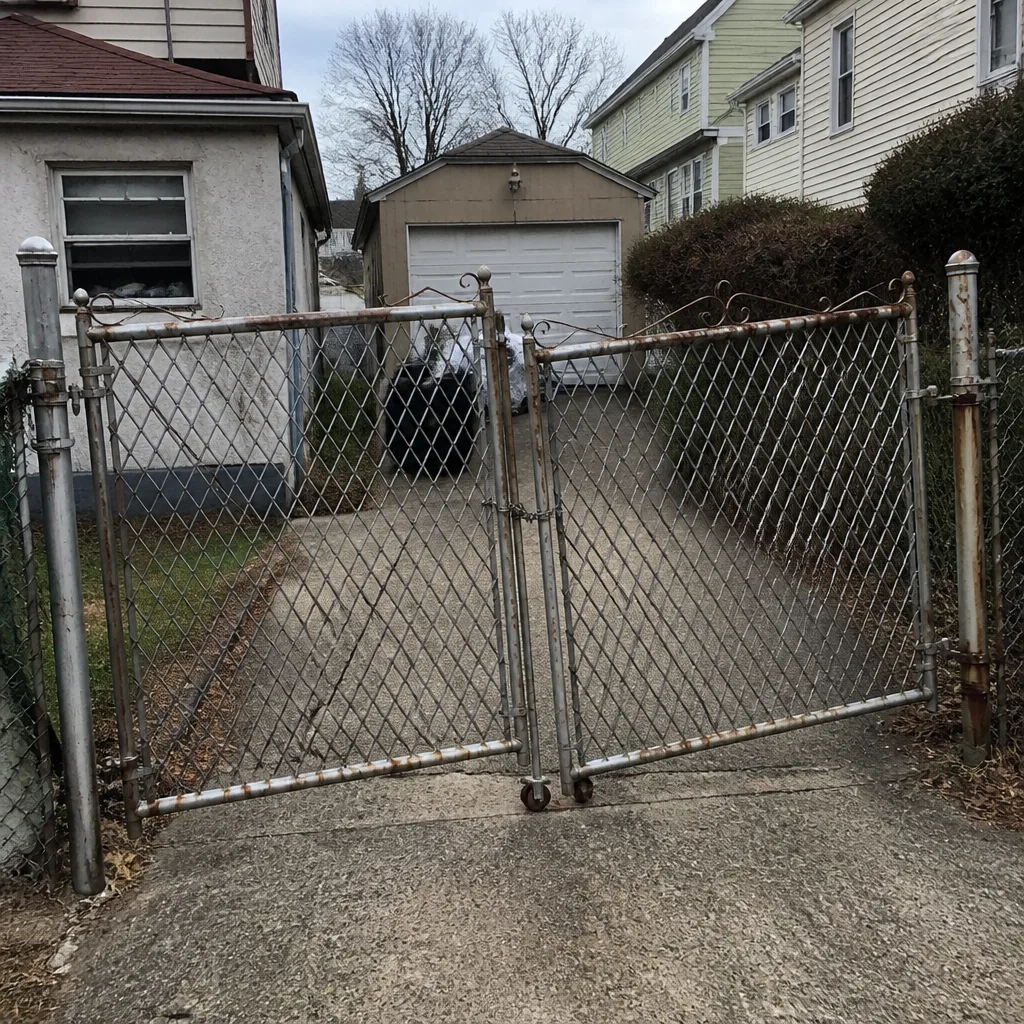 Before
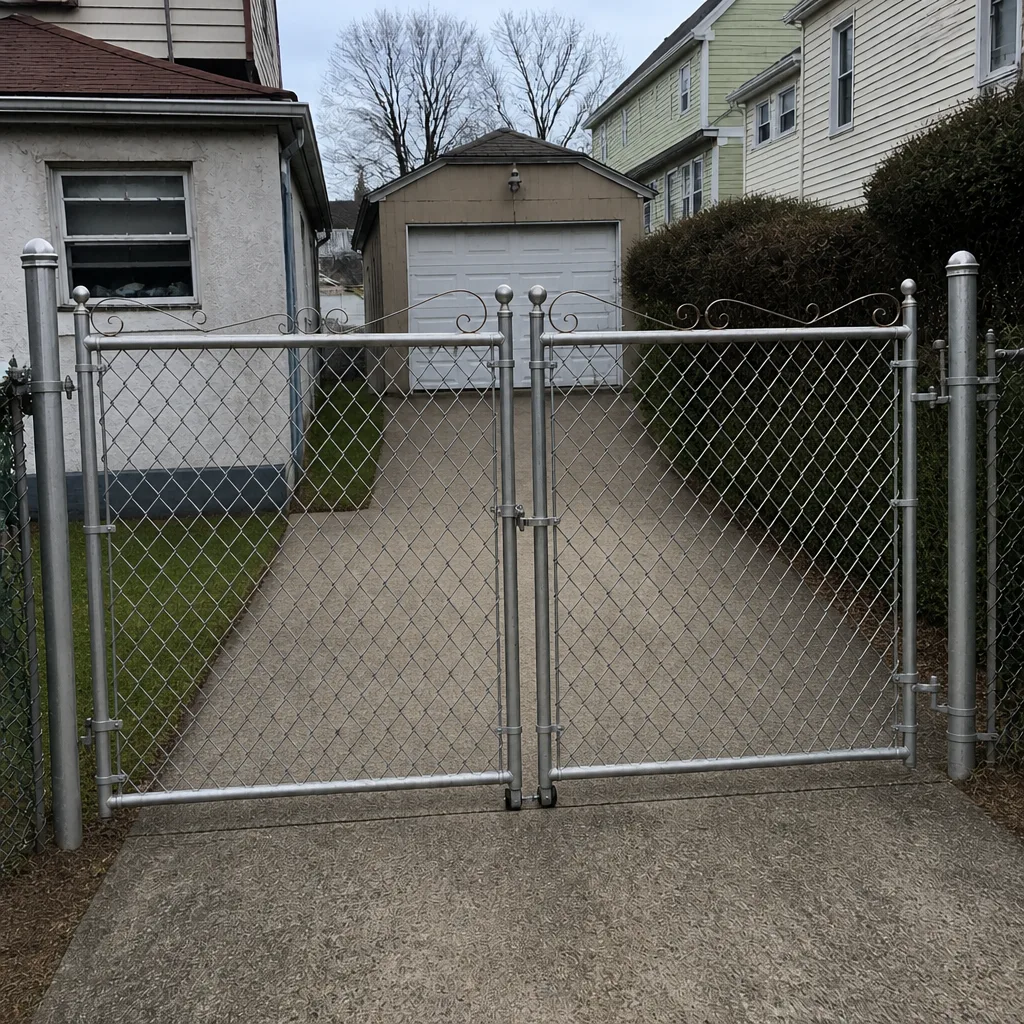 After
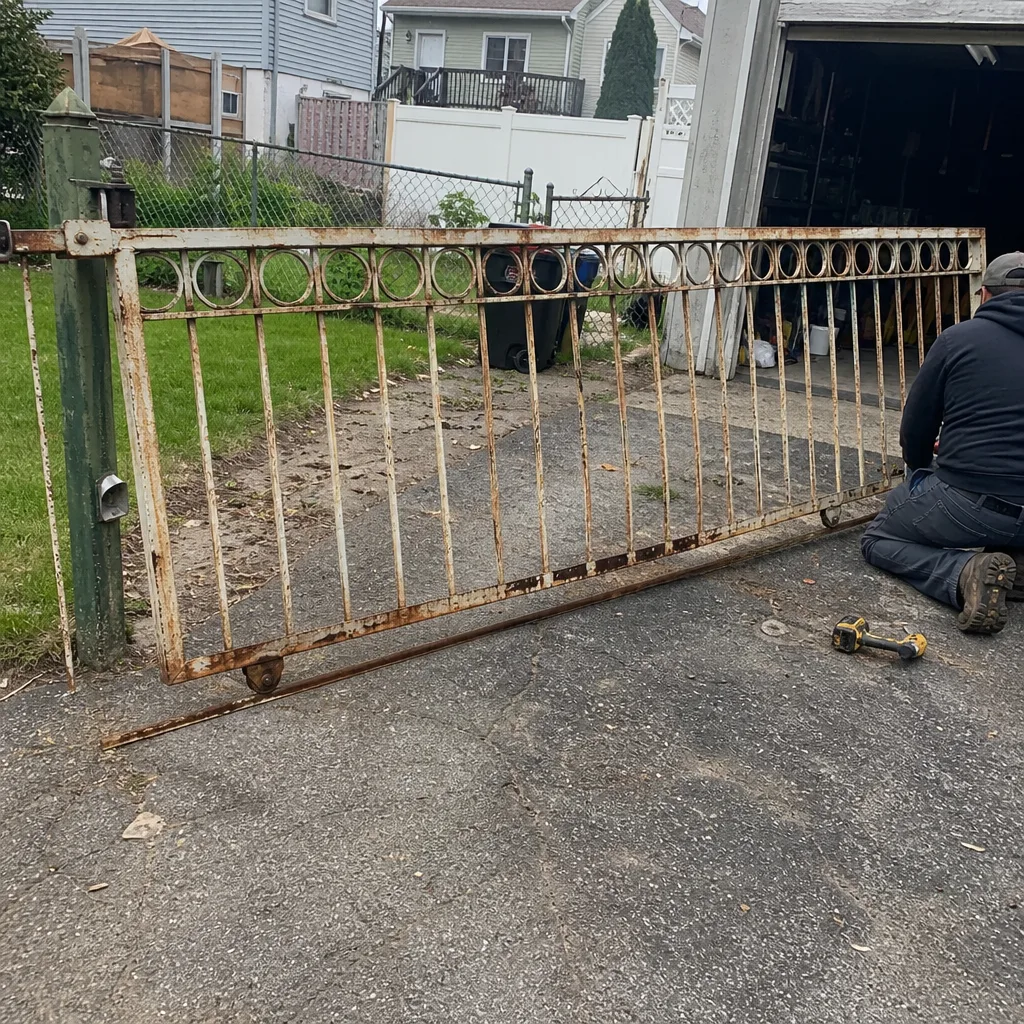 Before
 After
 Before
 After