
Last updated November 15, 2026
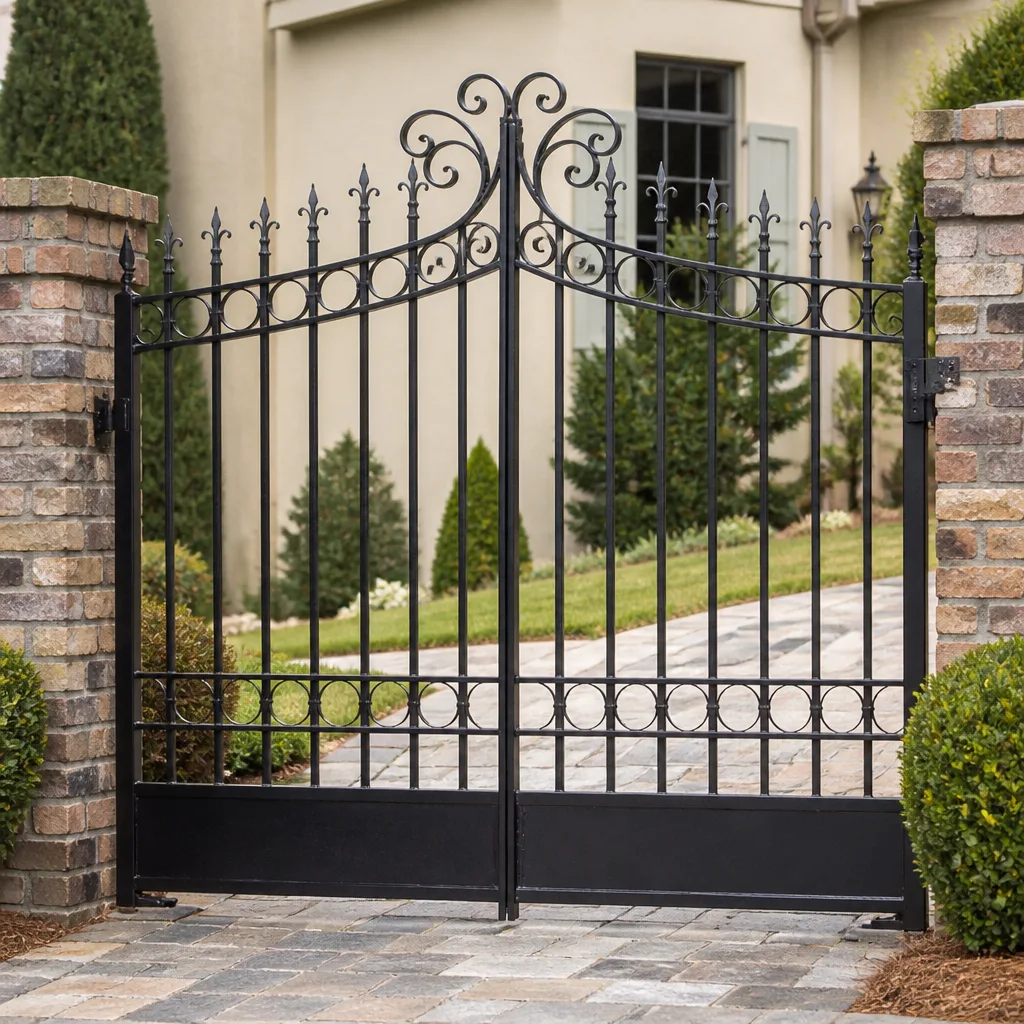 Wrought iron
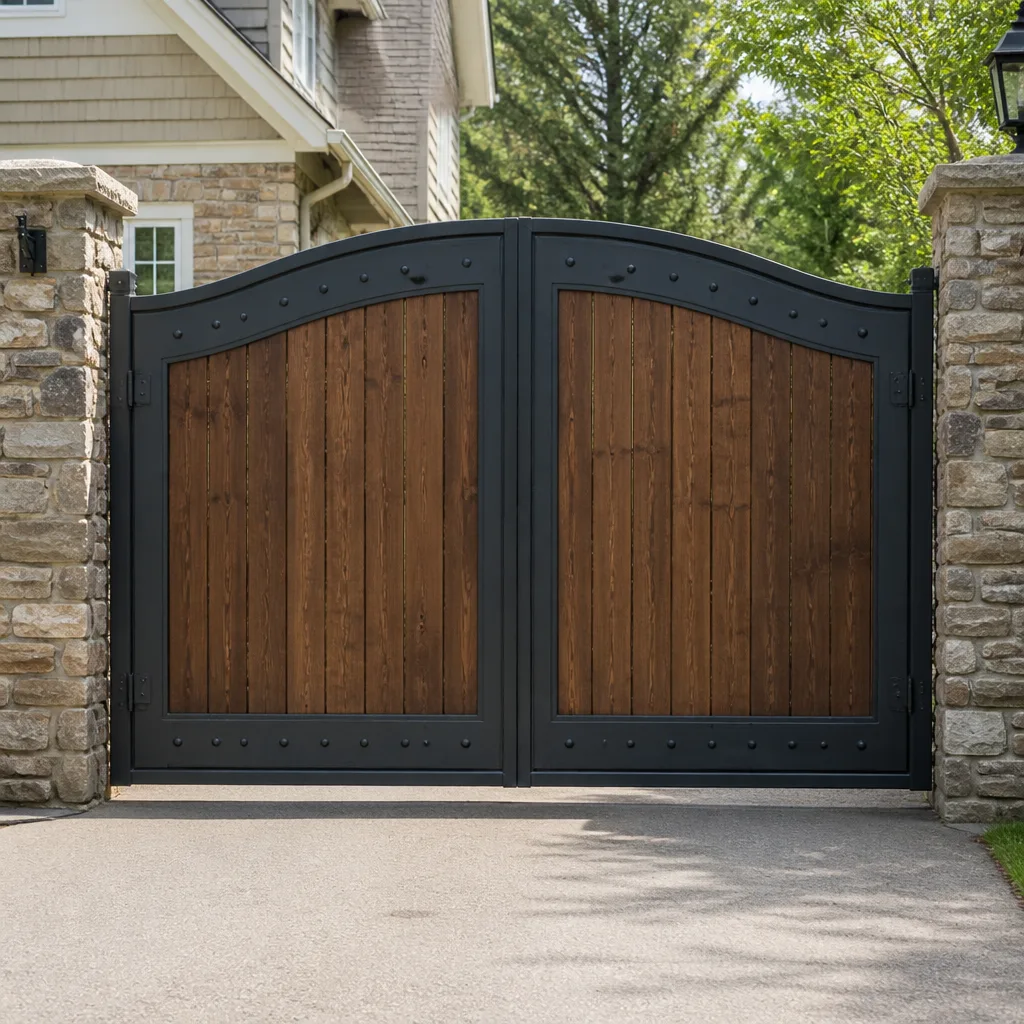 Wood & steel frame
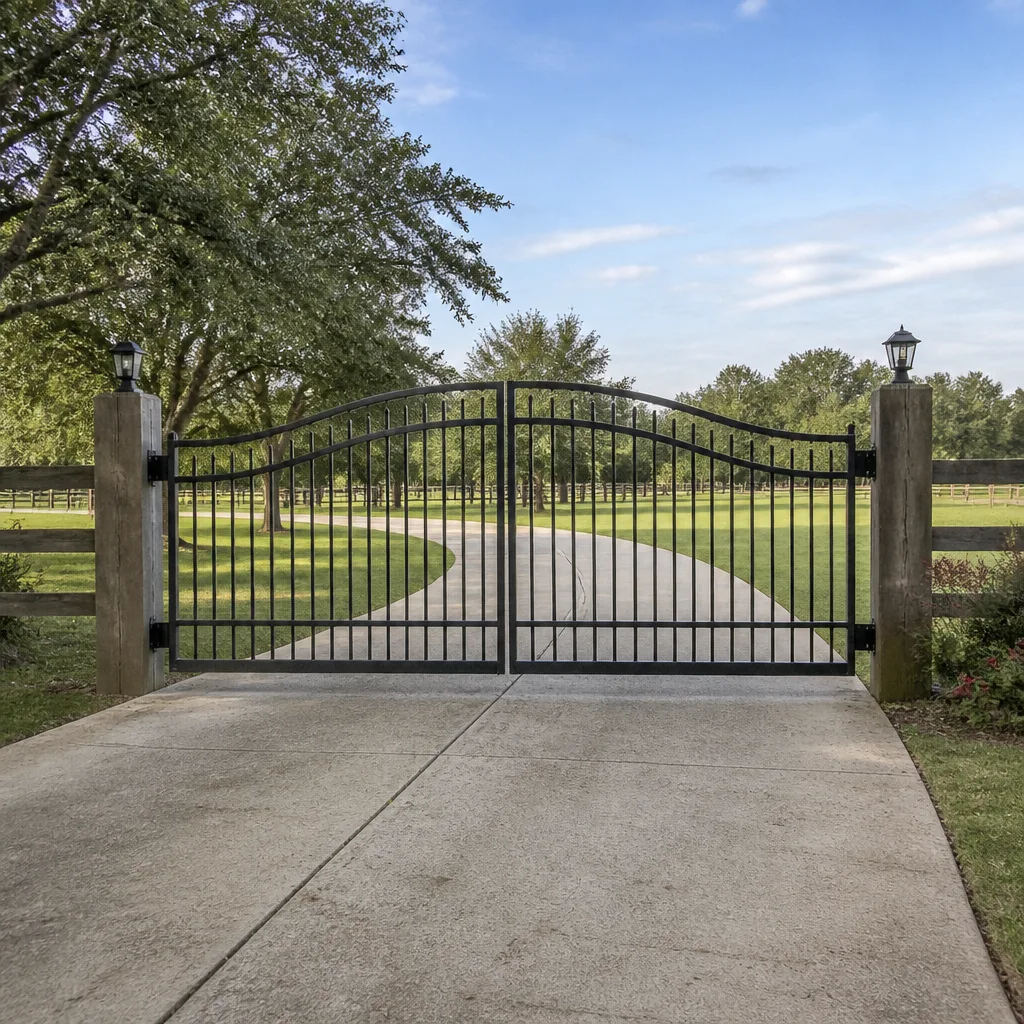 Farm & ranch
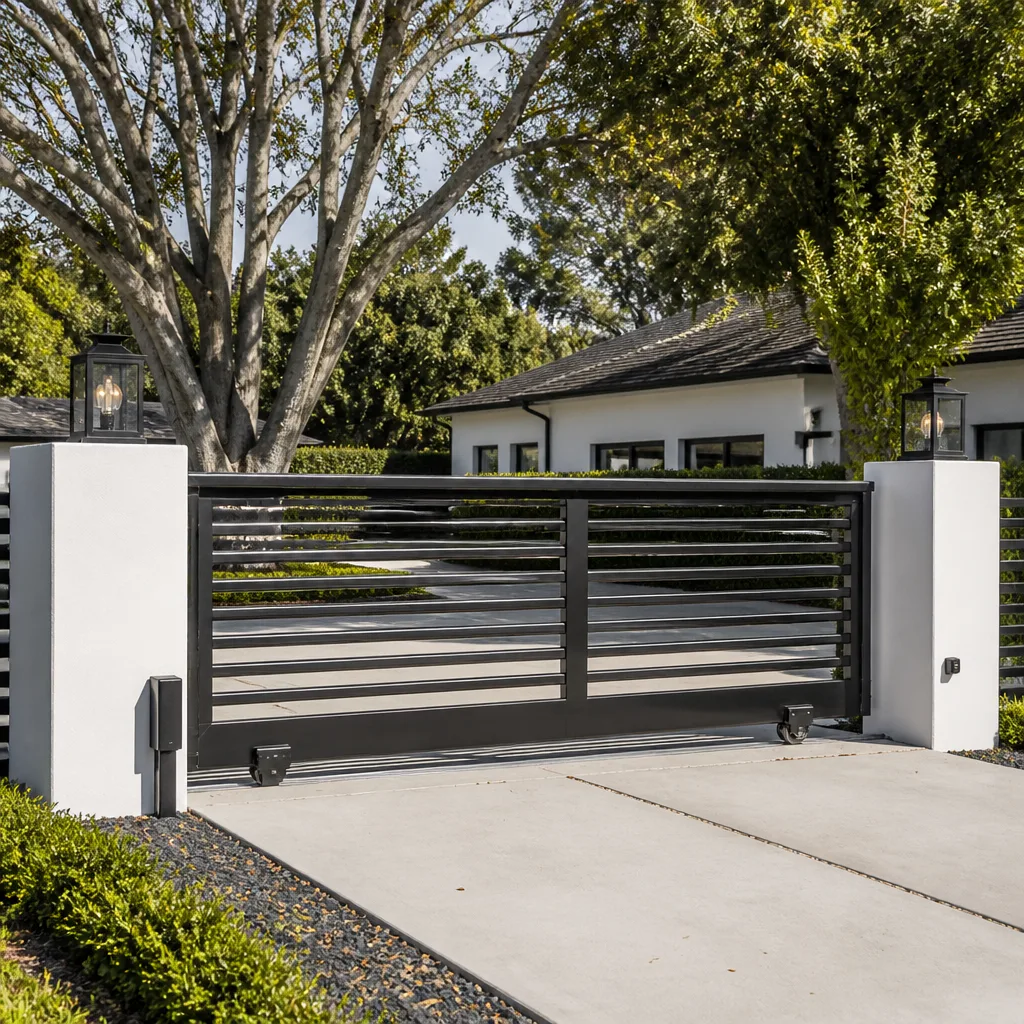 Sliding driveway gates
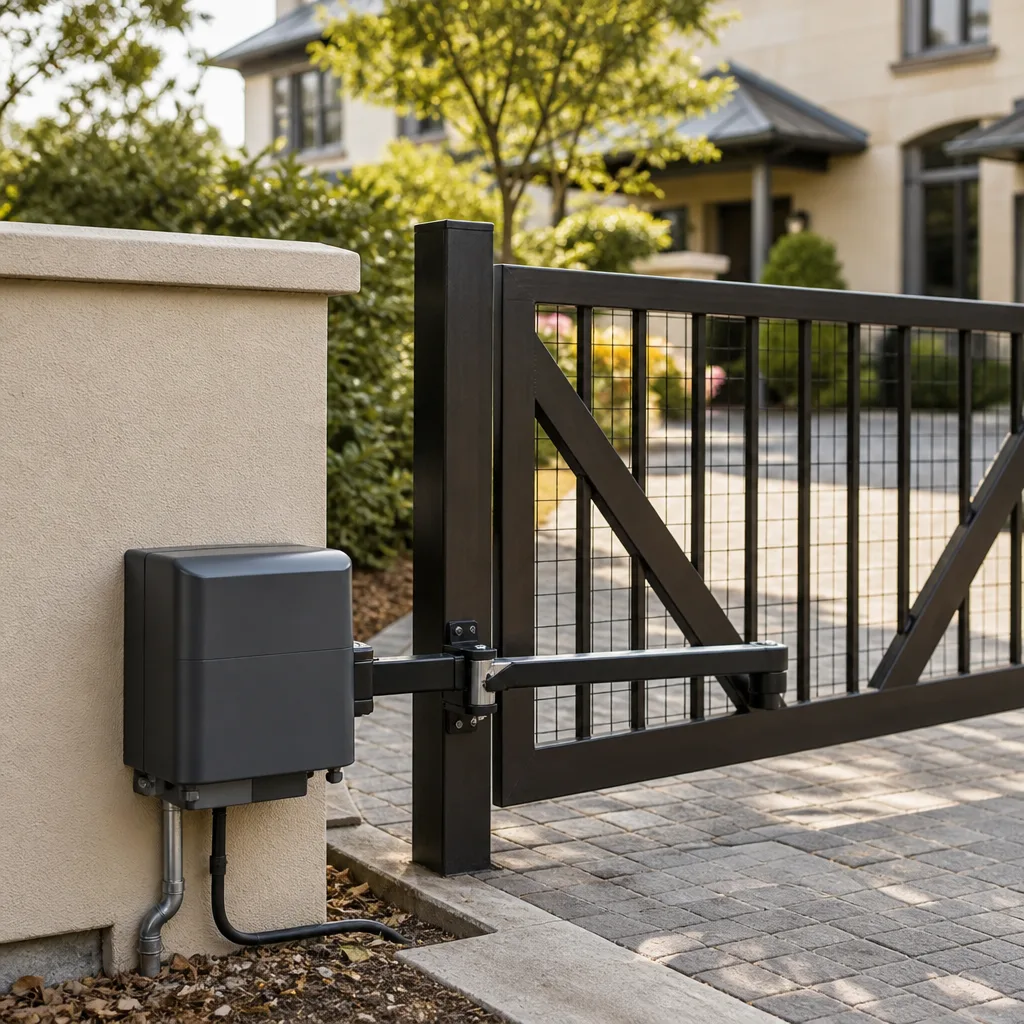 LiftMaster operators
Free on-site gate assessment - hinges, posts, and your LiftMaster or Nice gate operator checked before anything is quoted
The assessment is free and the quote is the invoice.
Get your free estimateGate Repair Troubleshooting in Elizabeth: Common Problems and How to Fix Them
A gate that reverses before it closes and a gate that won’t move at all share zero repair solutions. Yet most troubleshooting advice treats every gate failure as one problem with one checklist. That’s why so many property owners in Elizabeth waste an afternoon on the wrong fix. A gate is a system – operator, sensors, wiring, hardware, and the gate itself – and every symptom points to one part of that system. Read the symptom correctly and you skip half the guesswork. This guide teaches you to do exactly that: map behavior to the subsystem at fault, run the safe checks yourself, and know the line where a trained technician needs to step in.
Quick Answer
Gate repair troubleshooting in Elizabeth starts with matching the symptom to the right subsystem. If the gate won’t respond at all, look at power and the operator first. If it moves partway and stops or reverses, suspect the safety sensors, limit switches, or travel settings. Grinding or dragging points to mechanical hardware. Reading the symptom correctly before you touch anything is what separates a ten-minute fix from an expensive callback.
Styles & brands we work with
- Wrought iron
- Wood & steel frame
- Farm & ranch
- Sliding driveway gates
- LiftMaster operators
Table of Contents
- Match the Symptom to the System
- Why Your Gate Reverses or Stops Mid-Travel
- Grinding, Dragging, and Sticking Gates
- A Gate That Won’t Respond at All
- How Elizabeth Weather Shapes Gate Failures
- Error Codes vs. Hardware Faults
- Safe DIY Checks vs. Technician Territory
- Common Mistakes to Avoid
Match the Symptom to the System
The single fastest way to troubleshoot a gate is to stop thinking about the gate as a whole and start thinking about it as four separate subsystems. Each one fails in its own recognizable way, and the symptom tells you which one to look at first. In our experience across Elizabeth, this mapping step alone cuts diagnostic time in half, because it moves you past the “it’s broken” stage and straight to the part that’s actually failing.
Here’s how the four subsystems break down and what each failure looks like:
- The operator (motor and control board): The gate won’t move, moves in the wrong direction, or stops without an obvious obstruction. The operator is the brain and muscle, so its failures tend to be all-or-nothing.
- The safety sensors and loop detectors: The gate begins to move, then reverses or stops before completing travel. Also common: the gate won’t close at all when something is parked over a buried loop.
- The limit switches and travel settings: The gate overshoots its open or closed position, stops short, or slams rather than easing into the end of travel.
- The wiring and power side: Intermittent behavior, no response whatsoever, or a gate that works sometimes and not others. Loose connections and damaged runs live here.
One symptom can point to more than one subsystem, but it rarely points to all four at once. Start with the most likely category, confirm it, and move on. That’s how a gate specialist reads a system – not by trial and error, but by knowing which part behaves this way. If you’d rather hand the diagnosis to someone who works on gates every day, our Gate Repair Elizabeth team is set up for exactly that.
A quick example of how the mapping works in practice: a gate that opens fine but refuses to close is almost never a motor problem. The motor clearly works, since it drove the gate open. So the fault is nearly always on the safety side or the limit side, where the controls are telling the operator not to proceed. That single logical step – the motor works, so it isn’t the motor – is the kind of reasoning that saves time and money.
Why Your Gate Reverses or Stops Mid-Travel
A gate that reverses or stops partway through travel is the most common call we get, and it’s also the most misdiagnosed. The behavior is the operator doing its job. It’s sensing an obstruction or reaching a limit it shouldn’t, and its response is to back off or halt. Your job is to find out what it’s sensing.
Work through these in order:
- Check the safety sensors first. On slide gates, look for the photocell pair mounted near the ground on each side of the opening. On swing gates, check the photo eyes positioned to catch a person or vehicle in the arc. If the lenses are dirty, knocked out of alignment, or blocked by a leaf or cobweb, the operator will reverse every time. Clean the lenses and confirm the beam lines up.
- Look for a physical obstruction. A small stone, a rise in the driveway, or a sagging gate leaf can trip the reversal. Walk the full travel path and watch closely as the gate moves.
- Test the loop detector. A buried vehicle loop that’s failing will tell the operator a car is always present, so the gate never closes. If the gate closes fine when you force it, suspect the loop.
- Check the limit switches. If the gate reverses near the end of travel, a limit switch may be out of adjustment, telling the operator it has hit an obstacle when it hasn’t.
Safety sensor misalignment is the single most misdiagnosed “gate malfunction” we run into. You can confirm it in about 60 seconds: clean both lenses, squat down and look straight through the beam, and see whether the operator’s indicator light changes when you break the beam with your hand. If the light doesn’t respond, the sensor is the problem, not the motor. Fix the alignment and the “motor failure” disappears.
Grinding, Dragging, and Sticking Gates
Grinding and dragging are mechanical symptoms, and they rarely come from the operator itself. When a gate sounds like it’s fighting something, it usually is – worn rollers, a bent track, a hinge that’s lost its alignment, or a gate leaf that’s dropped on its posts. Left alone, these problems wear out the operator by forcing it to push harder than it should.
Common mechanical culprits on Elizabeth gates:
- Worn rollers or wheels on a slide gate, which drag instead of roll and make the motor labor.
- A track that’s out of level or has debris packed into it, causing the gate to catch and lurch.
- Sagging hinges on a swing gate, which drop the gate leaf and change how it hangs and closes.
- Loose or shifted posts, which throw the whole gate out of square.
- A gate leaf that’s heaved because the ground under it has shifted.
Some of this you can address safely. Clearing debris from a track and checking that rollers spin freely are low-risk checks. Adjusting hinges or resetting posts is a different matter – a swing gate leaf is heavy, and a slide gate that comes off its track can be dangerous. If the gate is binding or the leaf has dropped, that’s a job for a technician who can lift and re-set it safely. Grinding noises that persist after you’ve cleared the obvious debris usually mean the hardware itself is worn, and the fix is replacing the part, not adjusting it.
A Gate That Won’t Respond at All
When the gate does nothing – no movement, no sound, no indicator light – the problem is almost always upstream of the motor. Before you assume the operator has died, work the power side. A dead gate is very often a power or control issue, not a failed motor, and that changes the repair entirely.
Run these checks in order:
- Confirm power to the operator. Check the breaker and any disconnect switch feeding the gate. A tripped breaker or a switched-off disconnect will strand the gate even though the operator is fine.
- Check the control device. A keypad, remote, or intercom that’s lost its battery or connection will make the gate seem unresponsive. Try a second control method if you have one.
- Look at the control board indicators. Most operators show status lights or codes. If the board has no lights at all, it’s likely not receiving power. If the lights are on but the gate won’t move, the board may be faulting.
- Inspect visible wiring. Look for a chewed cable, a loose connector, or a wire run that’s been damaged by lawn equipment. Don’t touch exposed wiring – just note what you see.
Anything beyond a breaker reset and a visual check crosses into electrical territory. Gate operators run on line voltage, and the control board holds stored energy even after the power is off. A trained technician is the right call for anything inside the operator housing. For a brand like LiftMaster or FAAC, knowing the specific board and its indicator pattern is the difference between a correct diagnosis and a parts-swap guess.
How Elizabeth Weather Shapes Gate Failures
Gates in Elizabeth live through a specific set of conditions, and those conditions leave fingerprints on the failures we see. The freeze-thaw cycle is the big one. Water gets into a track, a hinge, or a control box, freezes overnight, expands, and shifts the hardware. Then it thaws, and the gate has moved a fraction of an inch out of alignment. Do that a few times over a winter and a gate that ran smooth in the fall starts to bind, drag, or trip its limits.
Here’s what we plan for in Elizabeth:
- Winter freeze-thaw movement. Posts heave and hardware shifts, throwing gates out of square. Spring is when a lot of binding and misalignment shows up.
- Ground settling around posts and loops. Elizabeth’s soil and freeze cycles can move a gate post or disturb a buried loop detector, which brings on the phantom “car present” reversal.
- Summer heat and humidity. Heat stresses control boards and can soften the alignment of sensor brackets over time.
- Seasonal debris. Leaves and grit packed into a slide-gate track are a top cause of dragging and grinding.
One thing that’s not a factor here: salt air. Elizabeth is inland, and gates here don’t face the corrosion issues of coastal properties, so we don’t plan around marine wear. What we do plan around is the seasonal cycle – a gate that’s adjusted correctly in spring will hold through the summer heat and the winter freeze far better than one that was rushed back into service. Knowing that cycle is part of working on equipment in Elizabeth specifically, and it’s why an Elizabeth property owner benefits from a technician who sees the same conditions season after season.
Error Codes vs. Hardware Faults
Modern gate operators from LiftMaster, FAAC, and BFT report their problems through error codes. That’s a gift and a trap. The code tells you what the operator detected – not what caused it. An operator that logs a “reversal” or “obstruction” fault is telling you it sensed something. It’s not telling you the sensor is bad, the gate is dragging, or the limit switch is loose. Those are hardware faults that produce the same code.
This is why resetting the operator without fixing the root cause can double your repair cost. The reset clears the fault and the gate runs again – briefly. Then the underlying problem trips the same code, and you’re back to square one. Worse, a gate that’s laboring against a mechanical fault while you keep resetting it is wearing out the motor and control board in the meantime. The part that was fine becomes the part that fails.
The right sequence is to read the code, then find the physical cause:
- Note the exact code and when it appears – at open, at close, mid-travel, or on a sensor trigger.
- Match the code to its subsystem. Reversal and obstruction codes point to sensors and limits. Motor or power codes point to the operator and wiring.
- Inspect the physical side before resetting. Check sensors, track, and limits.
- Only reset once you’ve addressed what you find, then test the full cycle.
The difference between a code reader and a gate specialist is that the specialist reads the code and then knows where to look on that specific brand. DoorKing access-control systems, for example, report differently than a residential LiftMaster slide operator. Diagnosing by system, not by guesswork, is how you get it fixed right the first time instead of paying for a second visit.
Safe DIY Checks vs. Technician Territory
There’s a clear line between what a property owner can safely check and what needs a trained gate technician. Knowing where that line sits protects you and your equipment, and in Elizabeth, as in the rest of Union County, it also keeps you clear of electrical work that should be handled by a qualified professional.
Safe to check yourself:
- Clean sensor lenses and confirm the beam aligns.
- Clear leaves, stones, and debris from a slide track.
- Check that rollers or wheels spin freely.
- Reset a tripped breaker or a switched-off disconnect.
- Replace remote or keypad batteries and try a second control device.
- Look for visible wiring damage – without touching it.
Leave to a technician:
- Anything inside the operator housing or control board.
- Wiring, power runs, and connections.
- Adjusting limit switches and travel settings on an unfamiliar operator.
- Lifting, leveling, or re-setting a heavy gate leaf, or re-seating a slide gate back on its track.
- Reprogramming an operator or access-control system.
- Any repair where the gate is binding or laboring.
Wiring is where the line matters most. Gate operators run on line voltage, and the hazards are real. And on the permit question, most cities require a permit for a new gate installation or significant electrical work on an operator, so check with Elizabeth’s building department before you take on anything structural. When in doubt, a professional is cheaper than the alternative. If your gate is electric or automated, our electric gate repair service exists precisely for the part of the job that shouldn’t be done alone.
Common Mistakes to Avoid
Resetting the operator without finding the cause
Clearing a fault code makes the gate run again until the underlying problem trips it a second time. Every extra reset cycle wears the operator while the real fault goes unfixed, so find the cause before you reset.
Assuming a dead gate means a dead motor
In our experience, a gate with no response is more often a power, breaker, or control issue than a failed motor. Check the power side before you price a new operator.
Ignoring a dirty or misaligned sensor
Sensor misalignment is the most misdiagnosed gate problem there is, and it takes a minute to check. Clean and align the lenses before you call it a motor failure.
Putting off mechanical grinding
A dragging gate that grinds is forcing the motor to work harder than it should. Left alone through an Elizabeth winter, a small mechanical fault becomes a worn operator as well.
Letting a generalist guess at your brand
A handyman who figures it out on the job tends to guess at parts and programming. A specialist who works on LiftMaster, FAAC, and Linear systems diagnoses by system and gets the right part the first time.
Skipping the permit question for installs
Most cities require a permit for a new gate installation or significant operator work. Check with Elizabeth’s building department so the job is compliant and doesn’t need tearing out later.
Adjusting parts on an unfamiliar operator
Limit switches and travel settings vary by brand. Turning the wrong adjustment on an unfamiliar board can throw the gate out of range and cause a bigger repair than the original fault.
When to Call a Professional
Call a professional when the diagnosis crosses into the operator housing, the wiring, or the heavy hardware. That means anything involving power and the control board, limit-switch adjustment on a brand you don’t know, a gate leaf that needs lifting or leveling, a slide gate off its track, or a fault that keeps coming back after a reset. If your gate is binding, laboring, or grinding, that’s a mechanical job with real weight involved – not a DIY repair. And if you’ve run the safe checks and the gate still won’t behave, you’ve already done the troubleshooting; the rest needs tools and a trained eye.
Gate Repair Elizabeth offers free estimates in Elizabeth – call (844) 654-1710. We answer 24/7, with fast dispatch from 7am to 7pm, Sunday through Friday. Our technicians have up to 14 years of experience, and every job is a gate job, so the diagnosis is accurate the first time. Prices are quoted and agreed before any work starts, so there are no surprises on the invoice.
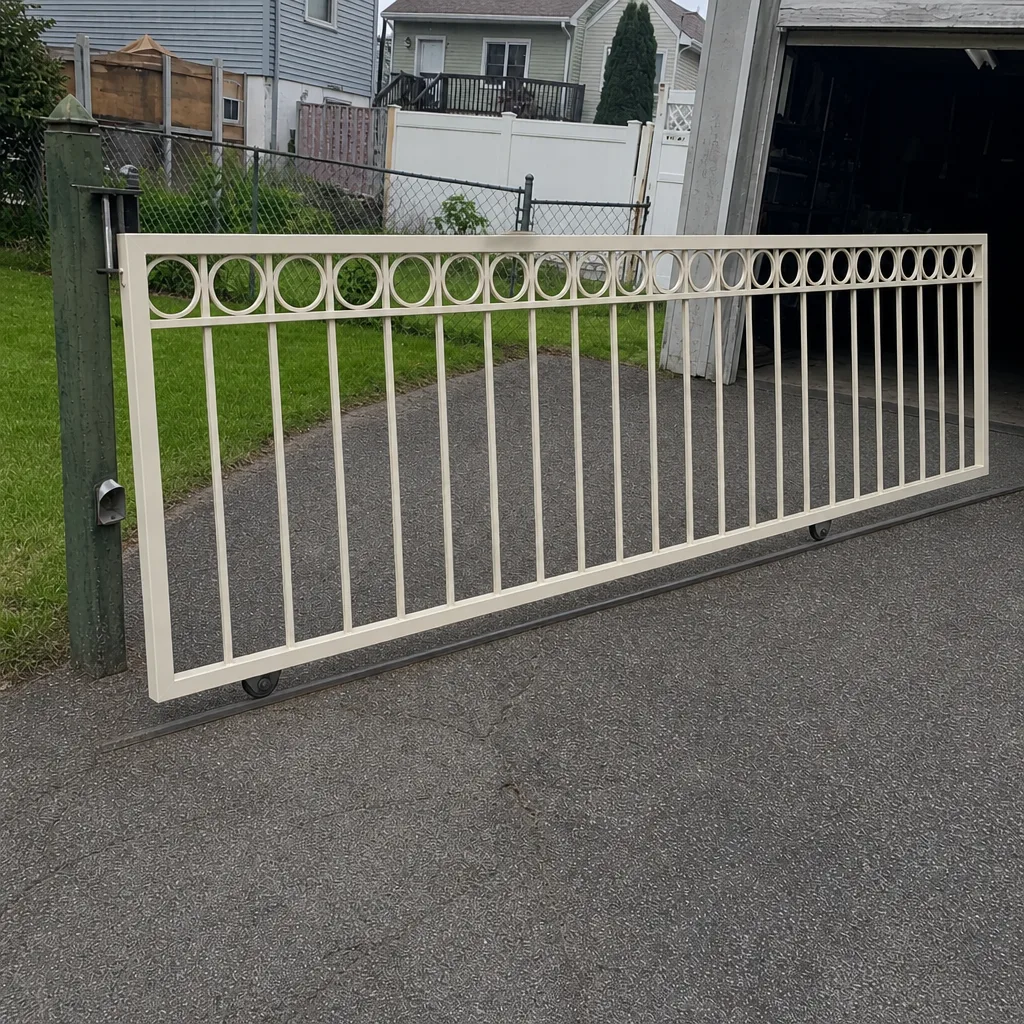
See the difference
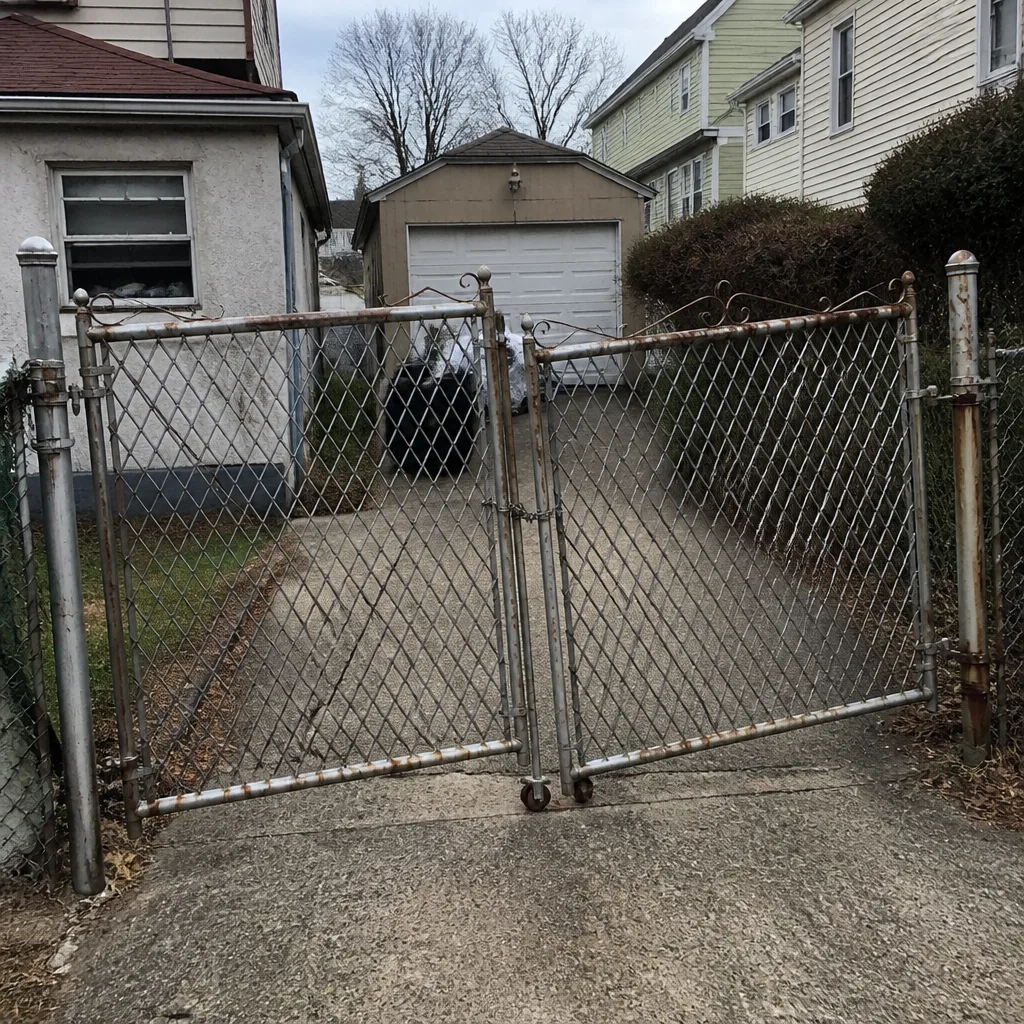 Before
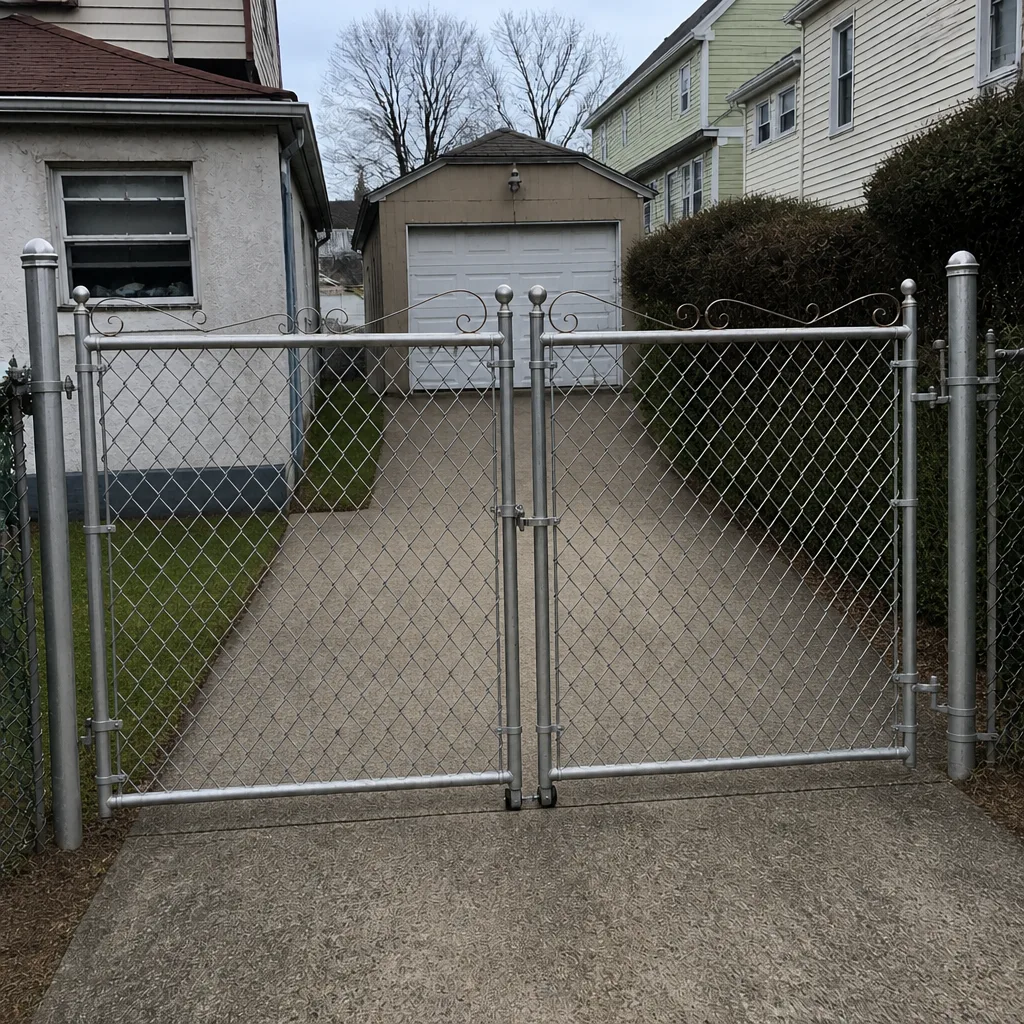 After
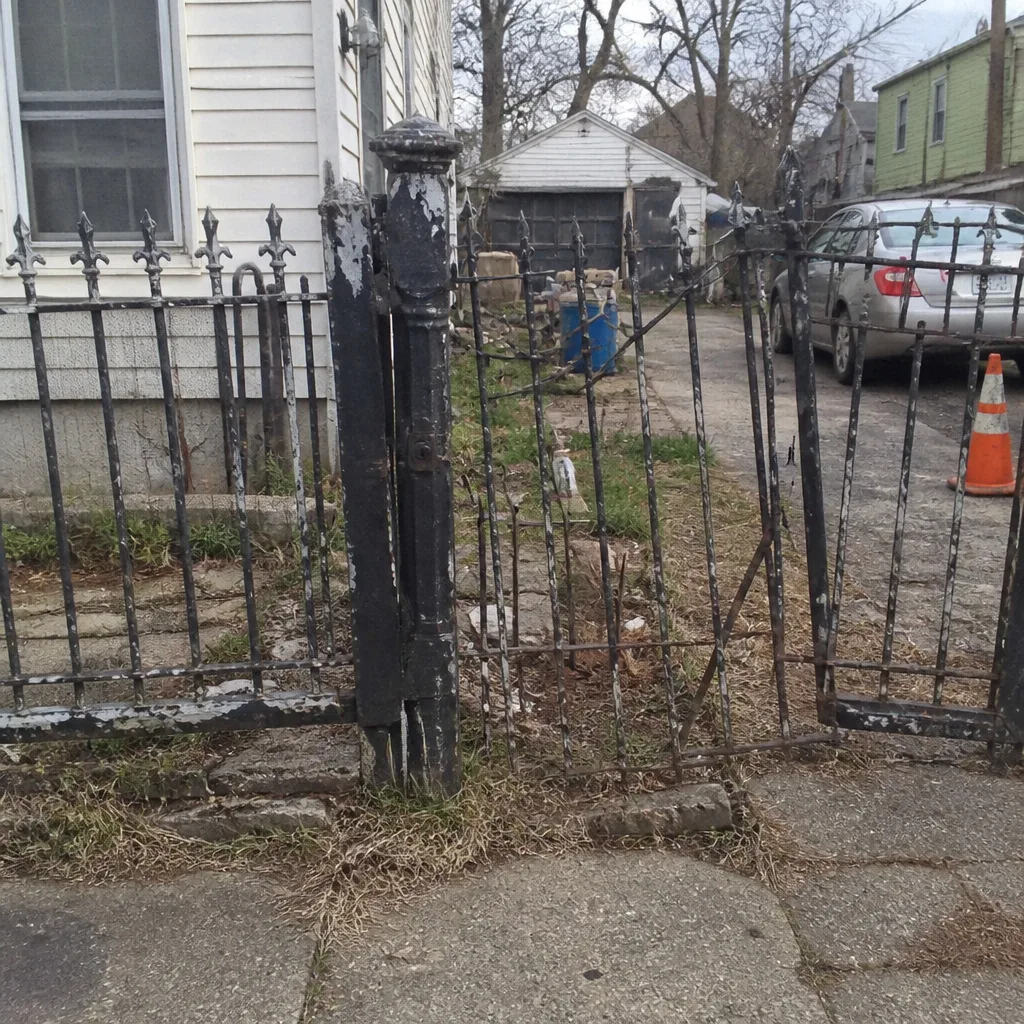
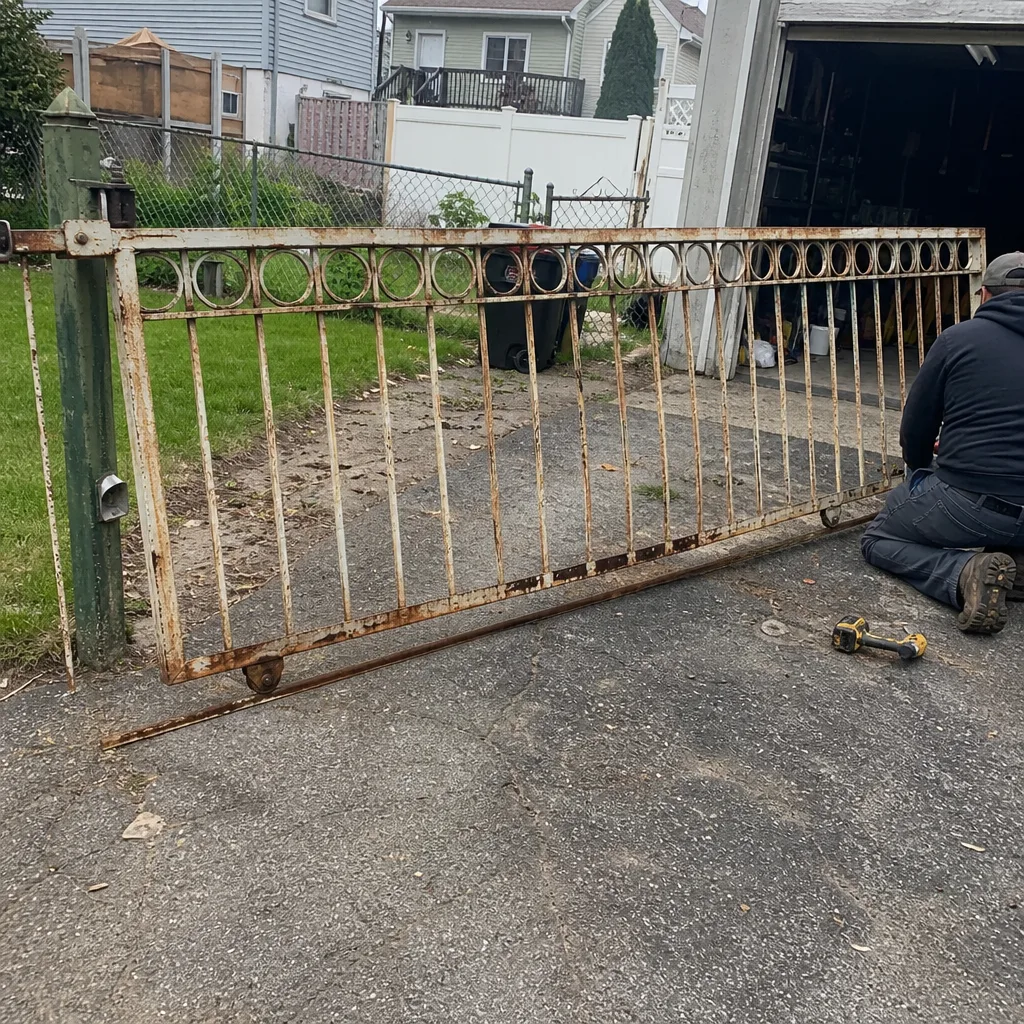 Before
 After
 Before
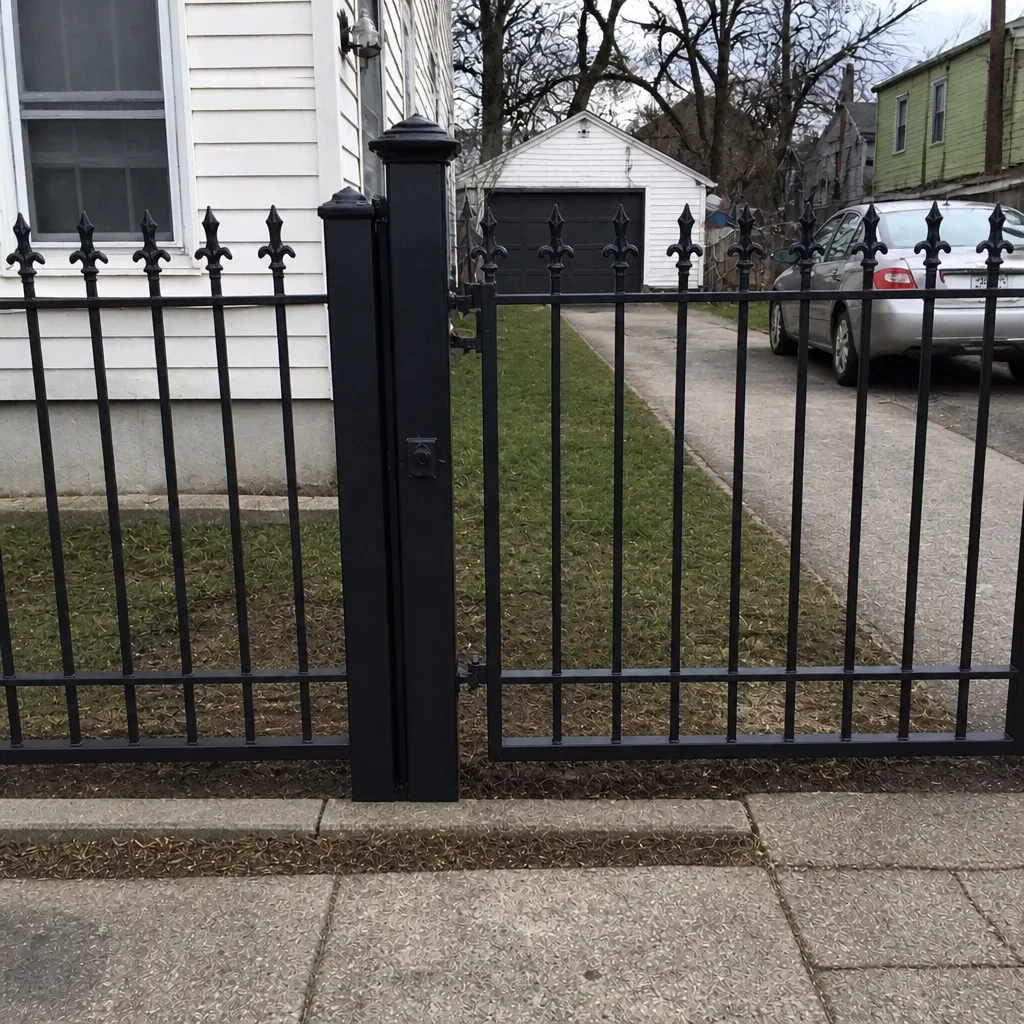 After
Frequently Asked Questions
Your gate reverses before closing because the operator is sensing an obstruction, and the most common cause is a dirty or misaligned safety sensor. Clean both lenses and confirm the beam lines up. If the gate still reverses, check for a physical obstruction or a failing loop detector. Call (844) 654-1710 for an exact quote if the reversal persists – estimates are free.
You can safely handle sensor cleaning, track debris, roller checks, and a breaker reset yourself. Anything inside the operator housing, wiring, limit-switch adjustment, or lifting a heavy gate leaf needs a trained technician. When in doubt, stop – electrical work and heavy hardware are not DIY territory.
Gate repair in Elizabeth is priced per job based on a written estimate, and we quote and agree the price before any work starts. Because the fault could be a sensor, a limit switch, wiring, or worn hardware, the cost depends on what the diagnosis turns up. Call (844) 654-1710 for an exact quote – estimates are free.
Grinding and dragging usually point to worn rollers, a rough track, sagging hinges, or posts that have shifted out of square. Clear debris from the track first and check that rollers spin. If the binding continues, the hardware is worn and needs a technician to replace or re-set it safely.
You can reset the operator, but if the code comes from a hardware fault, it will return. An error code tells you what the operator detected, not what caused it, so find the physical cause before resetting. Resetting without fixing the root cause doubles the repair cost. Call (844) 654-1710 if you need the cause traced.
We work on the major residential and light commercial gate brands, including LiftMaster, FAAC, and Linear, along with the other systems that are common on Elizabeth properties. Brand-specific familiarity means the correct parts, programming, and adjustments the first time. Call (844) 654-1710 and tell us your brand and symptom – estimates are free.
The Bottom Line
Gate repair troubleshooting comes down to reading the symptom correctly and mapping it to the right subsystem. A gate that won’t respond is usually a power or control issue, not a dead motor. A gate that reverses or stops mid-travel is almost always sensing something it shouldn’t – often a misaligned sensor you can confirm in a minute. Grinding points to mechanical wear, and error codes tell you what the operator detected, not what caused it. Do the safe checks yourself, respect the line at wiring and heavy hardware, and let a gate specialist handle the rest. That approach is how Elizabeth property owners get their gates fixed right the first time.
Ready to get your gate working again? Call Gate Repair Elizabeth at (844) 654-1710 for a free estimate. We answer 24/7 with fast dispatch from 7am to 7pm, Sunday through Friday. Every quote is set before work begins, and every technician is a gate specialist. Whether you need a quick gate repair or a diagnosis on a stubborn electric system, we’re ready to help.
Written by the team at Gate Repair Elizabeth.